Home Maintenance Checklist: Complete Guide by Season
Get a practical home maintenance checklist from a 30+ year pro. Seasonal tasks that prevent costly repairs, based on real climate experience across the US.

Homevisory offers a home maintenance app, but our editorial content is independent. Product recommendations are based on merit, not business relationships.
The Problem with Most Home Maintenance Checklists
I’ve seen hundreds of home maintenance checklists online and most of them are useless. They’re either so detailed that nobody will ever follow them, or so vague that they don’t actually help. “Check your HVAC system” isn’t a task. Thats a category. What am I checking. For what. How often.
So here’s my version. I’ve been doing this work for over thirty years and I’ve lived in Brooklyn, Atlanta, Texas, Chicago for a bit, San Diego, and now Palm Beach. Every climate teaches you something different about what actually matters. This home maintenance checklist is based on what breaks when you ignore it, not what sounds impressive on a list.
Why Seasonal Matters

Your house doesn’t need the same things in July that it needs in November. Seems obvious but most people treat maintenance like its one big annual project. They do a bunch of stuff in spring, feel good about themselves, and then ignore everything until something breaks.
That approach costs money. I know because I spent years fixing the results of it.
A proper house maintenance checklist follows the seasons because thats how your house experiences stress. Summer heat. Winter cold. Spring pollen. Fall leaves. Each one attacks different systems.
Spring: The Big One
Spring is when most people think about home maintenance and thats actually correct. Winter does damage. Spring is when you find it.
Gutters and Drainage

I’m going to spend more time on this than anything else because water damage is the most expensive problem you can have and its almost always preventable.
Clean your gutters. All of them. Get up on the ladder or pay someone but dont skip it. While you’re up there check that they’re still attached properly because ice can pull them away from the fascia and you might not notice from the ground. Check the downspouts and make sure water is actually flowing through them and not just pooling at the connection points. Then, and this is the part people skip, walk around your foundation after the next rainstorm and see where the water is going. Is it flowing away from your house or toward it. After the deck disaster in Plano I became obsessed with this stuff. I built a deck that pooled water in the center because I didn’t check my levels properly and the client said “I didn’t order a koi pond.” Rebuilt the whole thing at my own cost. Bought a Stabila level I still call “The Plano Reminder.” Drainage isn’t exciting but neither is a $15,000 foundation repair.
HVAC System
Replace your air filter. I know. Everyone says this. But let me tell you about Atlanta in spring.
The pollen in Atlanta is like nothing else. Yellow dust covers everything. Cars look spray painted. And all of that is trying to get into your house through your HVAC system. I grew up there and spring meant my mom Shirley was changing the air filter every three weeks instead of every month. The system worked harder during pollen season and the filter showed it. For detailed guidance on filter schedules, see our article on how often to change your air filter.
Your situation might not be Atlanta bad but spring is when outdoor stuff blooms and tries to get inside. Check the filter. If its been three months, replace it regardless of what it looks like.
Also schedule your AC tune-up now before everyone else remembers they need one in June when its 95 degrees and HVAC companies are booked for two weeks.
The Roof Check
Don’t get on your roof if you’re not comfortable doing it. But at minimum, walk around your house and look up. Missing shingles. Damaged flashing. Anything that looks different than it did last year. Binoculars help.
If you see something wrong, call someone. Roof problems don’t get smaller.
Water Heater Drain
Your water heater has a drain valve at the bottom. Sediment collects down there. Once a year, attach a hose to the drain valve and flush out a few gallons. You’ll see sandy gunk come out. Thats what was sitting in your water heater reducing its efficiency.
Takes fifteen minutes. Extends the life of the unit by years.
Deck and Fence Inspection
If you have wood anything outside, spring is when you see how winter treated it. Look for:
- Boards that are soft or spongy
- Nails or screws popping up
- Posts that wobble at the base
- Finish thats peeling or worn through
Mr. Davis, my woodshop teacher in Atlanta, used to organize his shop so meticulously. Everything had a place. He’d know if a single chisel was missing because the outline on the pegboard wouldn’t be filled. I think about that sometimes when I’m doing my spring walkthrough, just systematically going through everything, and I don’t know. He passed in 2012. I still use techniques he taught me. Anyway.
Summer: Maintenance Mode
Summer is lighter on the maintenance tasks because summer is for using your house, not working on it. But there are a few things.
Air Conditioning
Check your filter monthly during heavy AC season. I know I just talked about this but it matters more when the system runs constantly. A dirty filter in summer means your AC works harder, uses more electricity, and eventually something burns out.
Also check your condensate drain line. Your AC removes humidity from the air and that water has to go somewhere. Usually a PVC pipe that drains outside or into a floor drain. If that line clogs, water backs up and you get water damage or the system shuts off entirely.
Pour a cup of white vinegar down the drain line once a month. Prevents algae buildup. Thats it.
Pest Inspection
Walk your foundation perimeter and look for new cracks, gaps, or places where something could get in. Summer is when bugs and critters are most active.
Check window screens for holes. One torn screen is an invitation.
Outdoor Equipment
Mower blades. Trimmer line. Whatever you use for yard work. Summer is when this stuff works hardest. Keep it maintained or it wont be there when you need it.
My dad Curtis used to say, about tools, he used to say “a tool you can’t find is a tool you don’t own.” He meant organization but it applies to maintenance too. A mower that doesn’t start is a mower you don’t have.
Refrigerator Coils
Pull your refrigerator out and clean the coils. They’re either on the back or underneath depending on the model. Covered in dust and pet hair they can’t release heat properly and your compressor works overtime. If your refrigerator is not cooling properly, dirty coils are often the culprit.
I do mine quarterly but summer is essential because the fridge is already working harder in the heat.
Moving on.
Fall: Preparing for Battle
Fall is when you prepare for winter. Everything you do now prevents a problem when its 20 degrees and nobody wants to go outside.
Gutters Again
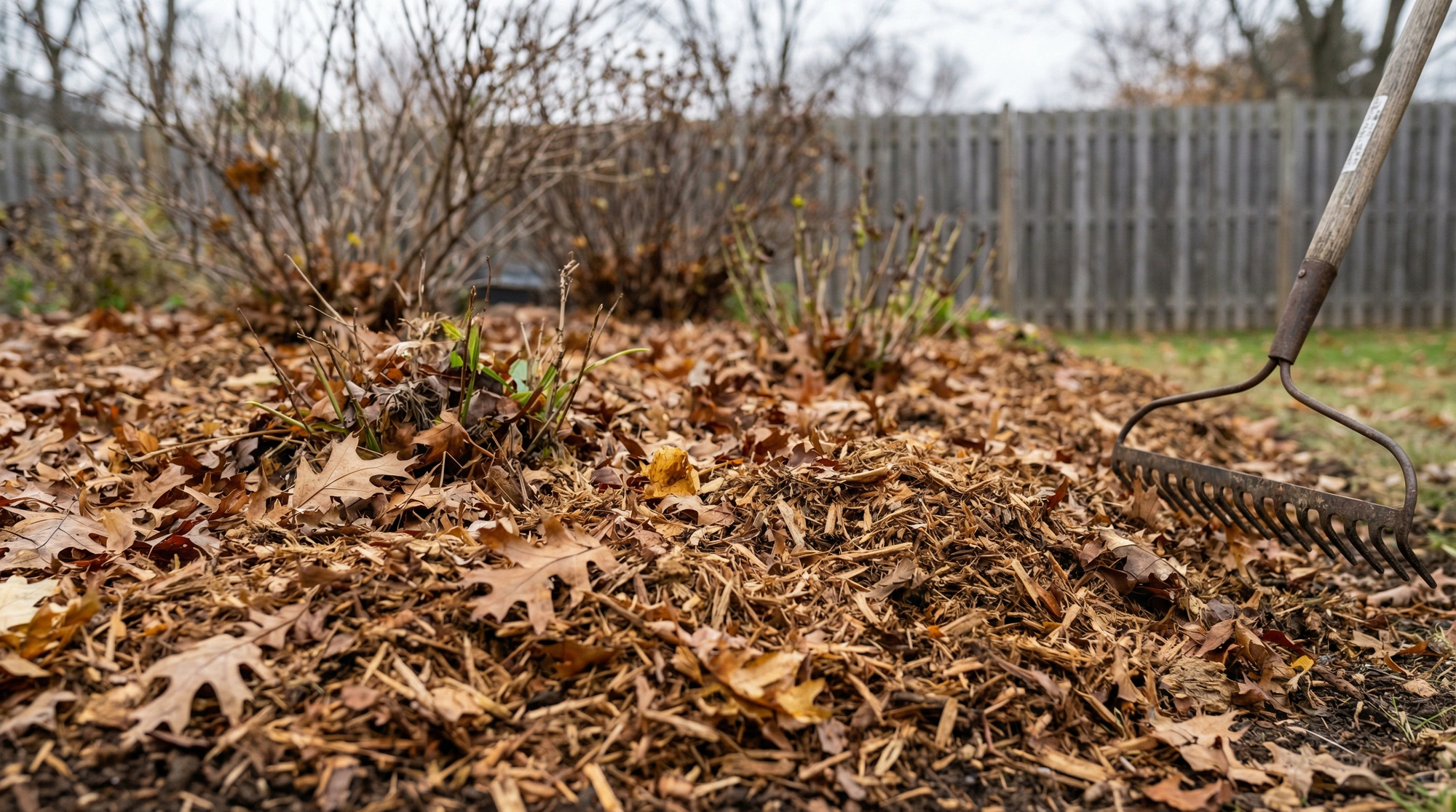
Yes, again. Fall leaves are the whole reason gutters clog. Wait until most of the leaves have dropped, then clean them thoroughly. This is more important than the spring cleaning in some ways because winter ice and snow will be sitting on whatever you leave in there.
Heating System
Schedule your furnace tune-up. Same logic as the AC but reversed. Get it done before the first cold snap when everyone else calls.
Replace the filter.
Check your thermostat batteries if you have a battery operated model. My thermostat died on Thanksgiving once and getting someone out on a holiday weekend was not cheap.
Winterize Outdoor Faucets
Turn off the water supply to outdoor spigots from inside. Then open the outdoor faucet to let any remaining water drain. Leaving water in those pipes is how pipes burst.
If you have a sprinkler system, get it blown out. Our guide to winterizing your sprinkler system covers the blow-out method in detail. Hire someone or rent a compressor but dont leave water in those lines.
Chimney and Fireplace
If you use your fireplace, get the chimney inspected and cleaned before burning season. Creosote buildup causes chimney fires. Not a complicated problem. Just expensive and dangerous if you ignore it.
If you dont use your fireplace, make sure the damper closes properly so you’re not leaking heated air up the chimney all winter.
Weather Stripping and Caulk
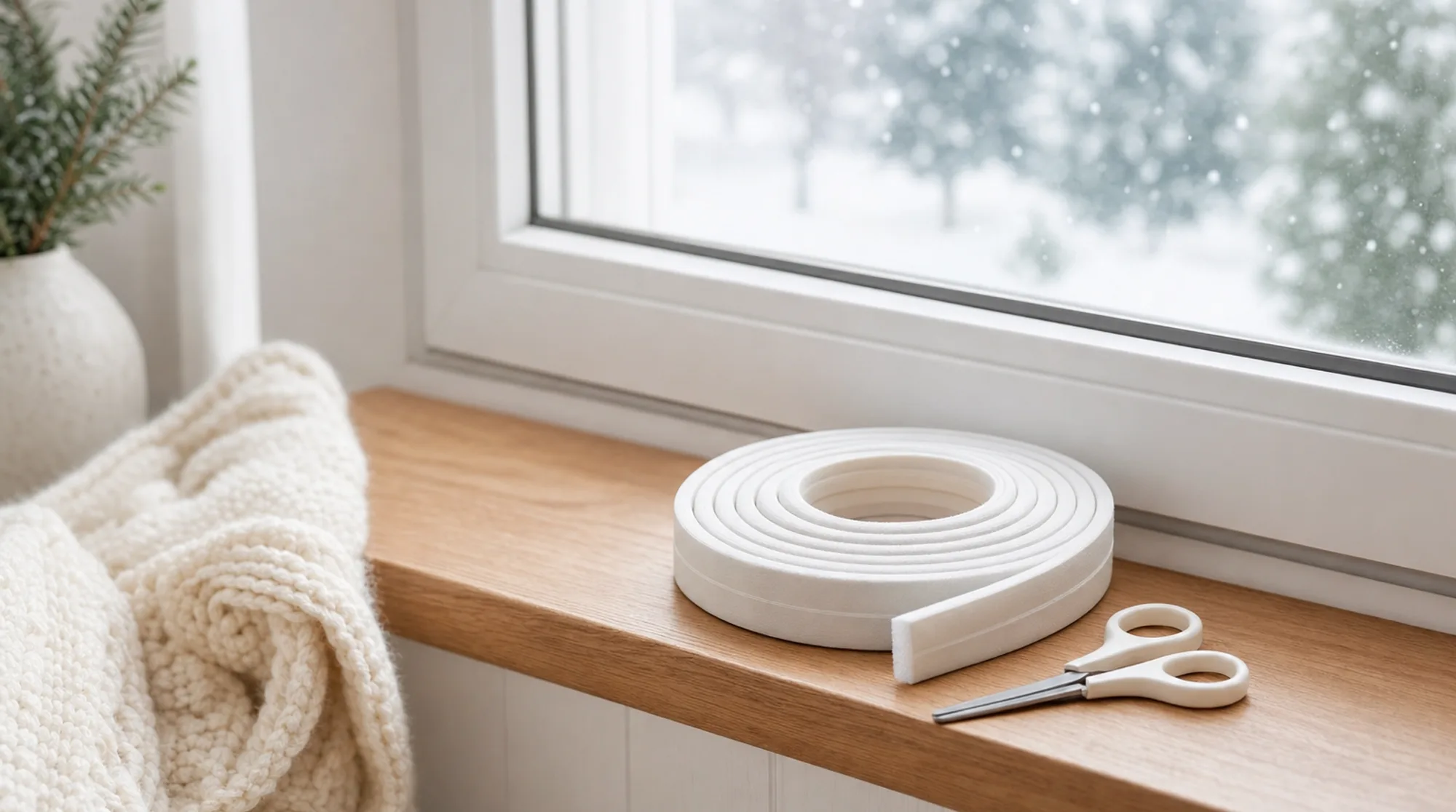
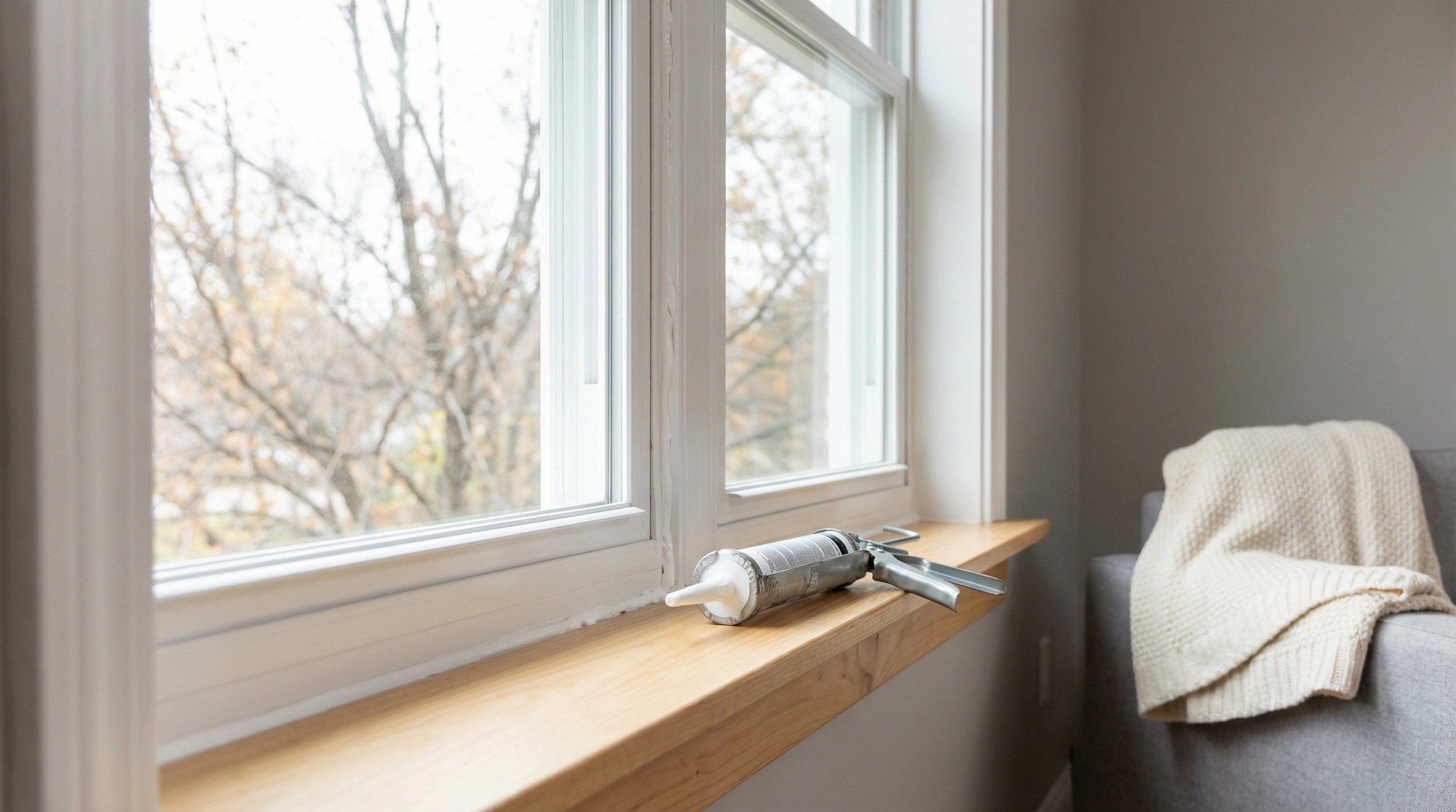
Walk around and check the seals on doors and windows. Press your hand against the edges on a cold day and feel for drafts. Weather stripping wears out. Caulk shrinks and cracks. If you need to recaulk, our guides on how to use a caulk gun and caulk removal walk you through the process.
I learned about this in Chicago when I was working a project there one winter. The kind of cold where your eyelashes freeze together. Made me obsessive about sealing gaps because I felt what happened when you didn’t.
Reverse Ceiling Fans
Most ceiling fans have a switch that reverses the blade direction. In winter, run them clockwise on low speed. This pushes warm air down from the ceiling.
Note I said ceiling fans not ceiling fan installations. I installed one incorrectly in 2003 without checking if the electrical box was fan-rated and it tore out of the ceiling at 2:47 AM and crashed onto the clients bed. Their cat was traumatized. I paid for the repairs plus what I called a “pet trauma” vet visit. Check your boxes.
Winter: Survive and Observe
Winter is the lightest season for active maintenance because most things shouldn’t be done in freezing temperatures. But its the best season for paying attention.
Monthly Filter Check
Still matters. Furnace is running constantly. Filter gets dirtier faster.
Ice Dam Watch
If you get snow, watch your roof after heavy snowfall. Ice dams form when heat escapes through your roof, melts snow, and the water refreezes at the cold eaves. This creates a dam that backs water up under your shingles.
If you see icicles forming at the edge of your roof, thats a warning sign. Good attic insulation prevents this. Learn more in our guide to blown-in attic insulation.
Monitor for Frozen Pipes

Know where your pipes run, especially near exterior walls. Proper pipe insulation prevents most freeze damage. During extreme cold, let faucets drip slightly on those lines. Moving water doesn’t freeze as easily.
Keep Heating Vents Clear
People put furniture in front of vents. They throw laundry over them. This restricts airflow and makes your system work harder.
Walk through the house. Make sure every vent has clearance.
The Observation List
Winter is when you notice things. A room that never gets warm. A window that fogs constantly. A weird smell when the heat kicks on. Write these down. They become your spring project list.
Making It Actually Happen
Having a home maintenance checklist is worthless if you don’t use it. Ive seen people create elaborate spreadsheets with color coding and reminder systems and then ignore all of it.
Two approaches that work.
First approach: calendar blocks. Pick one day per season and block four hours. Not “do maintenance sometime this week.” A specific day. Treat it like an appointment.
Second approach: monthly micro sessions. Fifteen minutes on the first Saturday of each month. Whatever. Just pick something and stick with it.
The Ben disaster taught me this. Back in 1999 I partnered with a guy named Ben to start a renovation company. He disappeared with $72,000 of materials and client deposits. I spent six months working side jobs to pay everyone back. Worst experience of my career. But my dad told me after, he said “you didn’t fail, you trusted, thats different, now you know.”
What does that have to do with home maintenance checklists. Nothing directly. But its about systems. Ben and I didn’t have systems. We had intentions. Intentions mean nothing without structure. After that I started documenting everything. Every process. Every schedule.
Your house maintenance checklist needs to be a system, not a list of good intentions.
What I’m Not Covering
Im not getting into every individual appliance here. Your dishwasher, washer, dryer, garbage disposal, all of that has its own maintenance needs and I’ve written about them separately. This checklist is about the house itself.
If you have a pool, you already know what it needs or you’re paying someone. Same with hot tubs, saunas, whatever specialty stuff you have.
And I dont trust smart home systems to manage your maintenance reminders. They’re fine as a backup but they shouldn’t be your primary system. A notification you ignore is worse than nothing because it creates the illusion that you’re handling things.
Home Maintenance Services: When to Call Someone

I do most of my own maintenance but I’m not proud about calling professionals when it makes sense.
Call someone for:
- Anything on the roof if you’re not comfortable with ladders
- HVAC tune-ups (they have tools and training you don’t)
- Electrical work beyond changing outlets (though some things like smoke detector battery replacement you can handle yourself)
- Gas appliance service
- Chimney cleaning
- Tree work near the house
The hourly rate for home maintenance services seems expensive until you compare it to the emergency rate when something breaks. Scheduled maintenance appointments are cheaper than emergency calls.
The Homevisory Approach
I built this home maintenance checklist into Homevisory because I got tired of people losing track of what they’d done and when. The app lets you set up seasonal schedules, log completed tasks, and actually see your maintenance history.
When you can look back and see “I cleaned the gutters in March, changed the HVAC filter in April, did the AC tune-up in May,” you’re not guessing anymore. You know where you are.
My son Milton once built a go-kart for a school project. I kept “helping,” which meant taking over and fixing every mistake. He got an A but didn’t talk to me for three days. “It was supposed to be my project. You just wanted it to be perfect. But I didn’t need it to be perfect. I needed it to be mine.”
Home maintenance is like that. You need to own it. Not perfectly, but consistently. Thats what we do here at Homevisory, help you build a system that you’ll actually use so your house takes care of you the way you take care of it.
Sign up free with our Homevisory home task manager and start building your home maintenance checklist today.
Mark Carter
Content Writer
Mark Carter is a home maintenance expert with over 20 years of experience helping homeowners maintain and improve their properties. He writes practical, actionable guides for Homevisory to help you tackle common home maintenance challenges.
View all articles by Mark CarterRelated Articles
Ceiling Fan Direction: Summer vs Winter Settings Guide
Learn how to set your ceiling fan direction for summer and winter. Counterclockwise for cooling, clockwise for heating. Simple switch saves energy year-round.
How to Remove Oil Stains from Driveway & Concrete
Learn how to clean oil stains from driveway concrete using proven methods. From fresh spills to set-in stains, get step-by-step solutions that actually work.
How to Balance a Ceiling Fan: Stop Wobbling & Noise
Learn how to balance a ceiling fan in 30 minutes with simple DIY steps. Fix wobbling fans safely without an electrician - just a ladder and $4 kit.