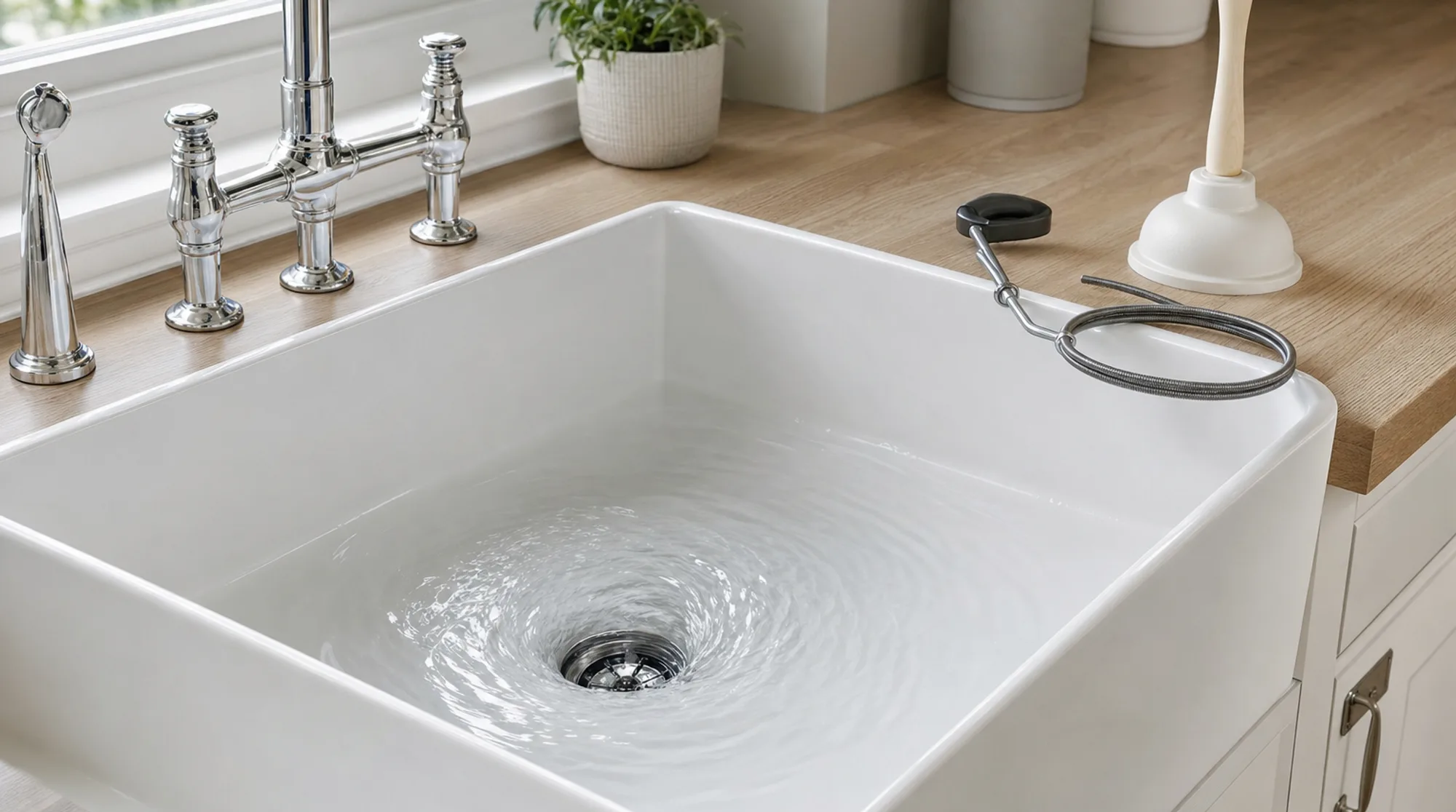
Every Drain in Your House Will Clog Eventually
It isnt a matter of if, its when. Hair, soap scum, food scraps, grease, mineral buildup — all of it accumulates inside your pipes over time. The average household deals with a clogged drain at least once or twice a year, and most of those clogs are completely fixable without calling a plumber.
The key is knowing two things: which method works for which type of clog, and when to stop trying and call someone before you make it worse. I’ve been fixing drains for over thirty years and the most expensive service calls I see are the ones where someone spent an hour jamming things down a pipe and turned a $0 plunger fix into a $400 pipe repair.
This guide covers every type of drain in your house and points you to the right solution for each one.
Kitchen and Bathroom Sink Drains
Sink clogs are the most common drain problem and usually the easiest to fix. But kitchen sinks and bathroom sinks clog for completely different reasons, which means different solutions.
Kitchen sinks clog from grease, food particles, and soap residue. The grease coats the inside of the pipe and food particles stick to it, building up over time until the opening narrows enough to back up. Bathroom sinks clog from hair, toothpaste, soap scum, and whatever else falls down the drain. The hair wraps around the stopper mechanism and creates a net that catches everything else.
For both types, the fix usually starts simple. Boiling water, then a plunger, then removing and cleaning the P-trap. If none of those work, a drain snake will reach deeper into the pipe and break up or pull out whatever is causing the blockage.
Our sink unclogging guide covers both kitchen and bathroom sinks with the specific techniques for each, including what to do when the garbage disposal is involved.
Keeping Sink Drains Clean
The best way to deal with a clogged sink is to prevent it from happening. A monthly flush with boiling water and baking soda keeps grease from building up. A mesh drain screen catches hair before it gets into the pipe. And cleaning the P-trap once a year removes the sludge that slowly accumulates even in well-maintained drains.
Our sink drain cleaning guide covers preventative maintenance and the cleaning techniques that keep drains flowing before they become emergencies.
Toilet Clogs
Toilet clogs are a different animal entirely. The trap built into the toilet is designed to hold water and create a seal, but that S-shaped passage is also where clogs form. Too much toilet paper, non-flushable items (wipes, cotton swabs, dental floss), and sometimes just the toilets design can cause blockages.
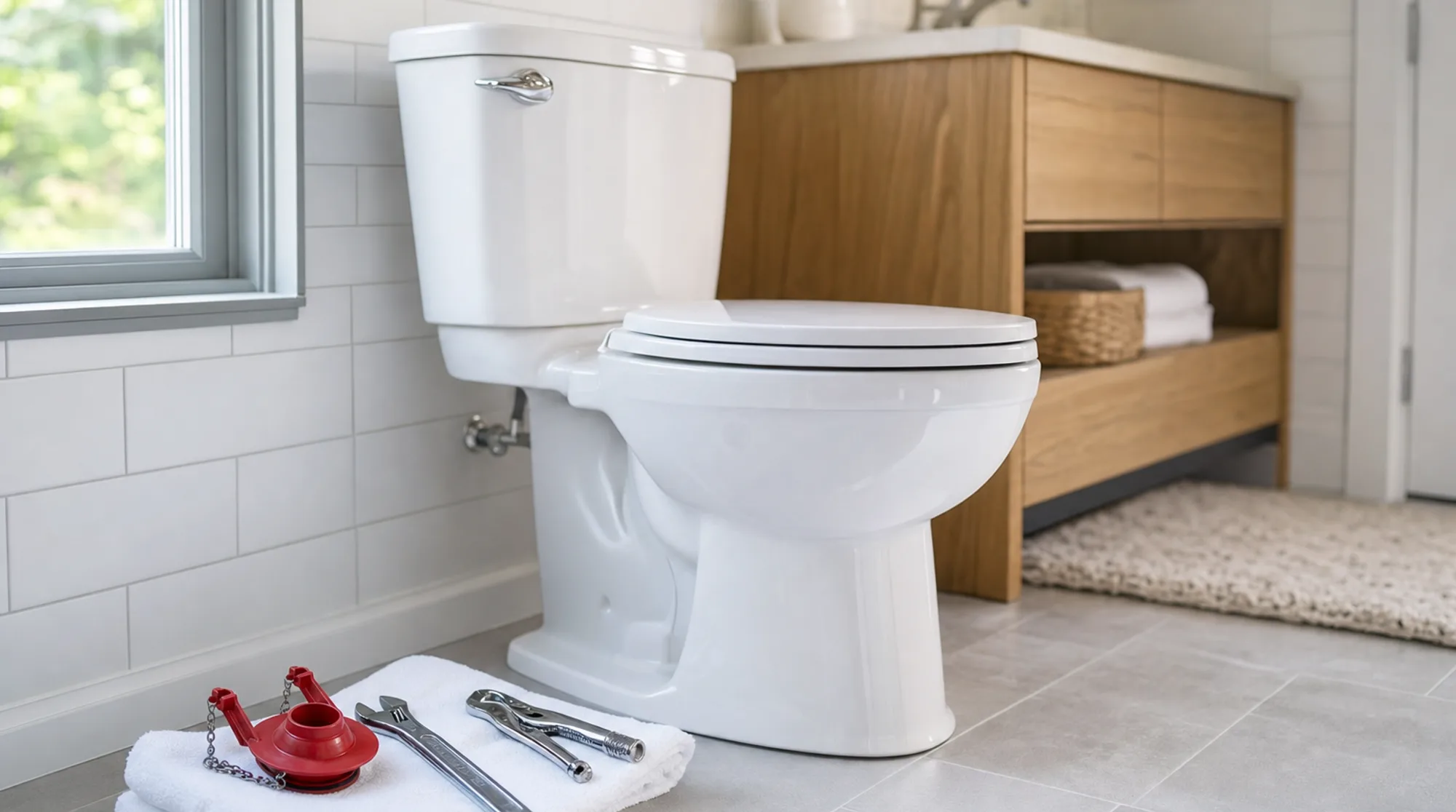
The right tool for a toilet clog is a flange plunger, not the flat-bottomed cup plunger most people use. The flange creates a better seal in the toilet drain opening and generates more pressure to push the clog through. If the plunger doesnt work after five or six solid attempts, a toilet auger is the next step. Its a specialized snake designed to navigate the toilets internal trap without scratching the porcelain.
Our toilet unclogging guide walks through six different methods from basic plunging to the bucket pour technique, plus how to tell when a clog is actually a main line problem disguised as a toilet issue.
Shower and Bathtub Drains
Shower drains clog almost exclusively from hair. It wraps around the drain cover, the crossbar inside the drain opening, and anything else it can grab onto. Over time a mat of hair mixed with soap scum forms a plug that slows the drain to a crawl.
The good news is that shower drain clogs are usually close to the surface and easy to reach. Removing the drain cover and pulling out the hair ball with needle-nose pliers or a zip-it tool fixes most shower clogs in under five minutes. For deeper clogs, a drain snake threaded down the pipe will reach blockages further in the line.
Our shower drain unclogging guide covers five methods from the simple pull-it-out approach to using a proper drain snake, plus why chemical drain cleaners are almost never the right answer.
Main Sewer Line
When multiple drains back up at the same time, or when using one fixture causes another to gurgle or back up, the problem isnt in an individual drain. Its in the main sewer line. This is the large pipe (usually 4 inches) that collects all the wastewater from your house and carries it to the municipal sewer or your septic tank.
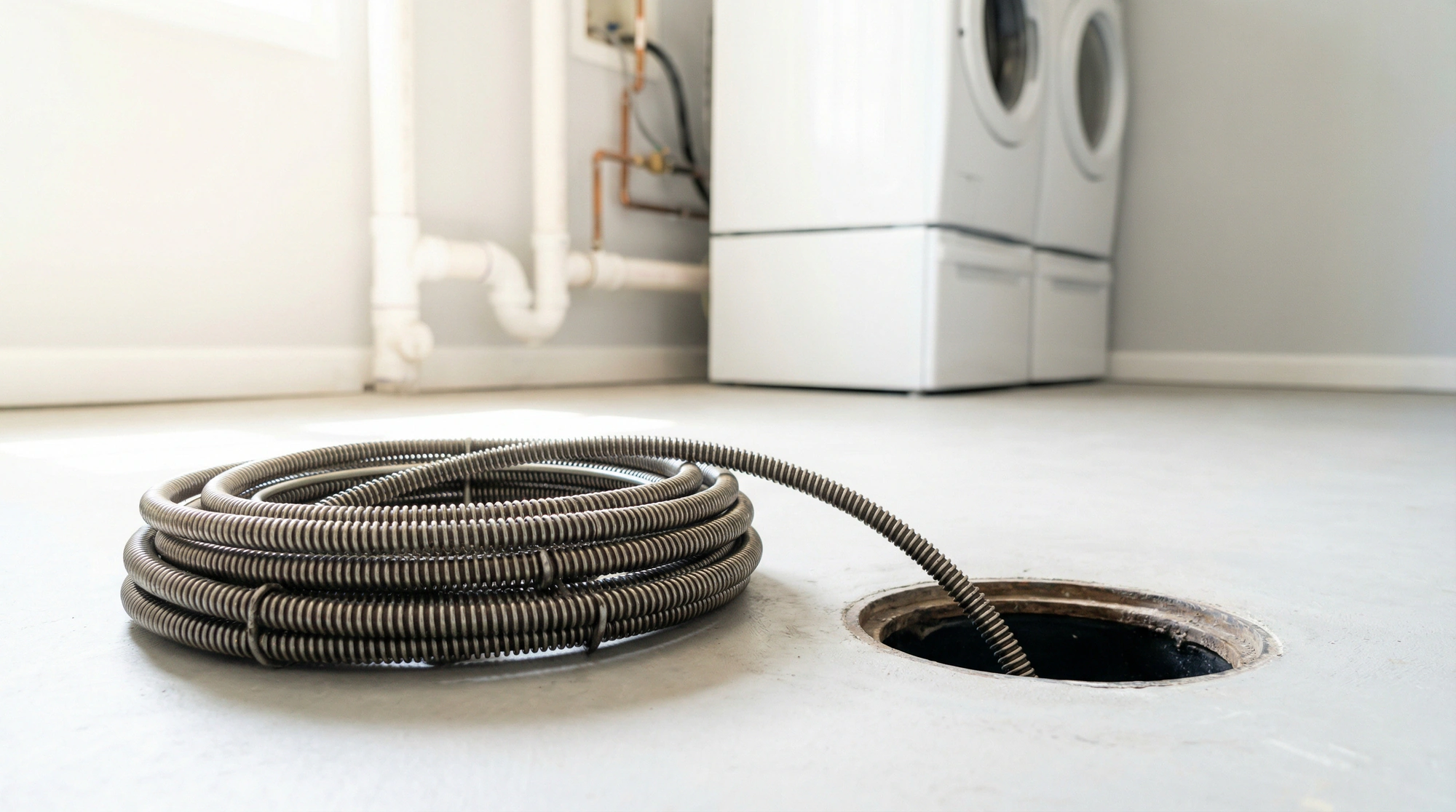
Main line clogs are caused by tree roots, accumulated grease and debris, bellied pipe sections, or collapsed pipes. This is not a DIY job in most cases. Professional drain cleaning with a motorized sewer snake runs $100-300. If roots are involved or the pipe needs camera inspection, expect $200-600. And if the pipe has collapsed, youre looking at excavation and replacement.
Our main drain cleaning guide breaks down the real costs, explains when renting a sewer snake makes sense versus calling a professional, and covers the warning signs that distinguish a main line problem from a simple fixture clog.
Chemical Drain Cleaners: My Honest Opinion
I dont recommend them. Products like Drano and Liquid-Plumr work by generating heat through a chemical reaction. They can dissolve organic clogs, but they also damage pipes over time — especially older metal pipes and PVC joints. And if the clog doesnt clear, now you have a pipe full of caustic chemicals sitting on the blockage, and the plumber who eventually fixes it has to deal with that hazard too.
Enzyme-based drain maintainers are a different story. They use bacteria to slowly digest organic buildup and are safe for all pipe types. But theyre for maintenance, not emergency unclogging. They work over days and weeks, not minutes.
Use a plunger, a snake, or call a plumber. Skip the chemicals.
When to Call a Plumber
Handle yourself:
- Single fixture clogs (sink, toilet, or shower)
- Slow drains caught early
- P-trap cleaning
- Drain screen installation and maintenance
- Boiling water and baking soda maintenance flushes
Call a plumber:
- Multiple fixtures backing up simultaneously
- Sewage smell from drains
- Water backing up into other fixtures when you use one
- Recurring clogs in the same drain despite clearing
- Any main sewer line issue
- Gurgling sounds from drains you’re not using
A plumber charges $150-300 for most drain calls. The main sewer line runs more. Either way, its cheaper than the water damage from a drain that backs up and floods your bathroom at 2 AM.
Drains are simple plumbing but they need basic attention. A mesh screen on every drain opening, a monthly hot water flush, and dealing with slow drains before they become full clogs will prevent most of the emergency calls. When something does clog, start with the simplest method and work up. Plunger, snake, professional — in that order.
If keeping track of drain maintenance feels excessive, consider that a $0 monthly flush prevents the $250 plumber call. Thats what Homevisory is for. Our home task manager reminds you to flush your drains and clean your P-traps so clogs dont catch you off guard.