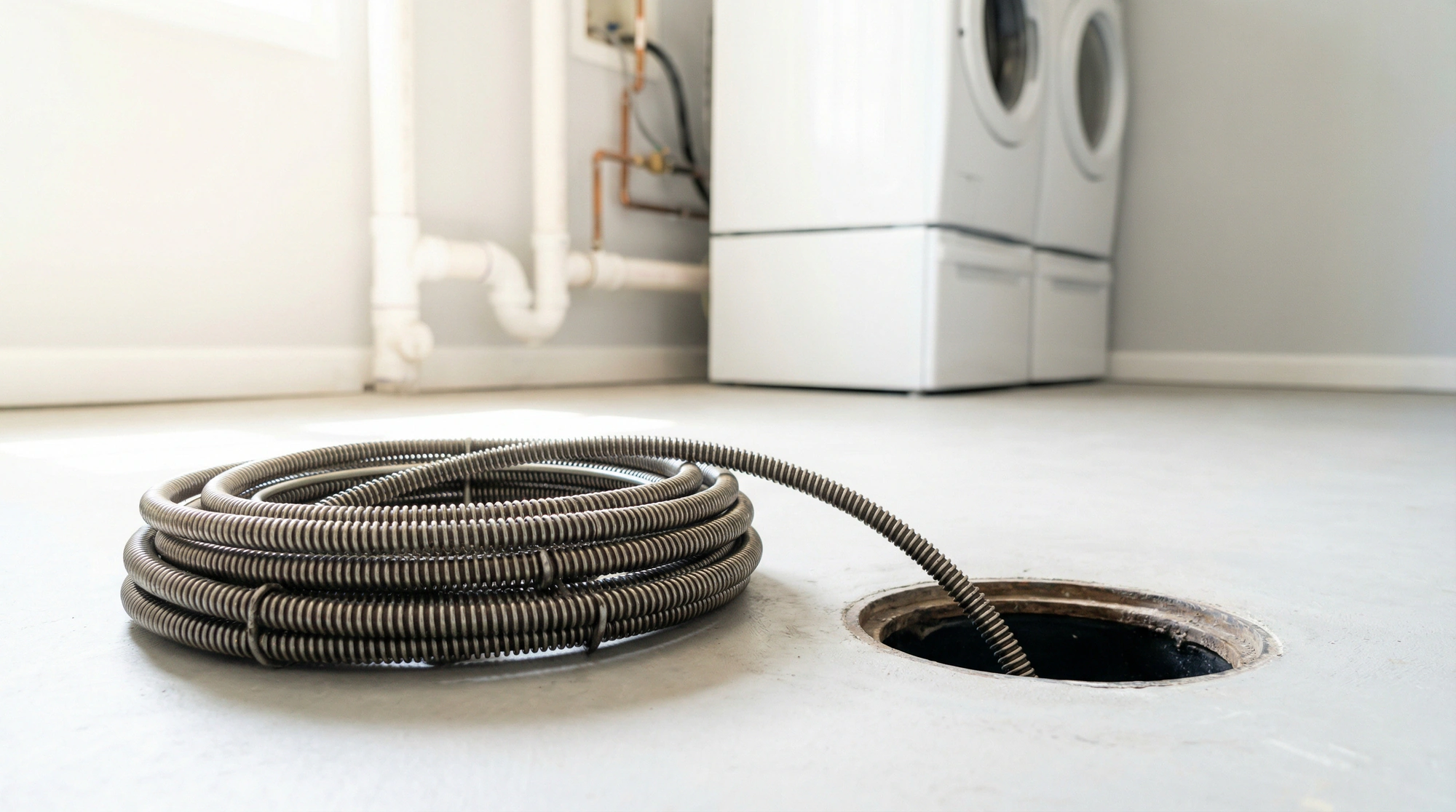
The Real Cost Question Nobody Asks
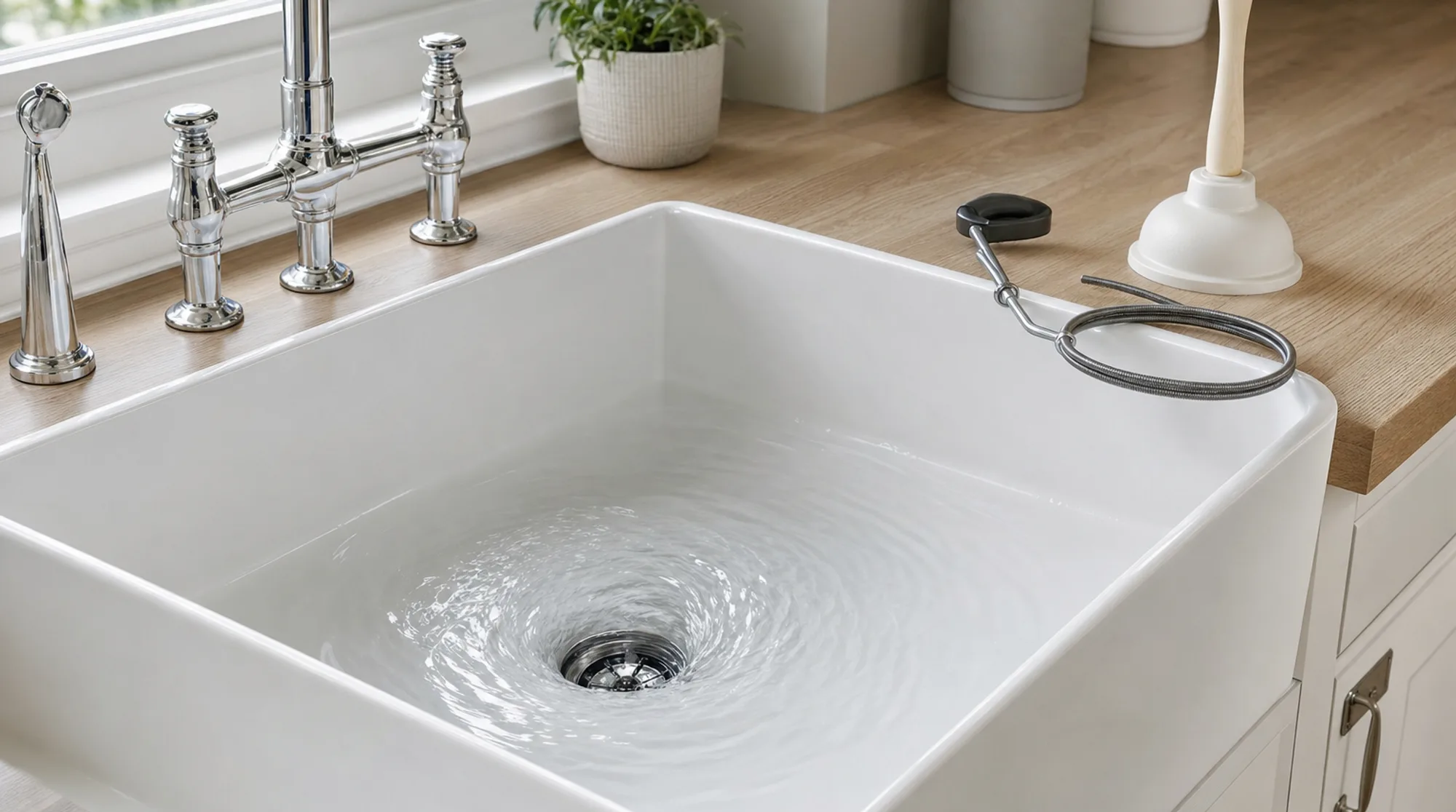
People always want to know the same thing. How much does main drain cleaning cost. And thats a fair question, but its the wrong first question. The right first question is: what are you actually dealing with.
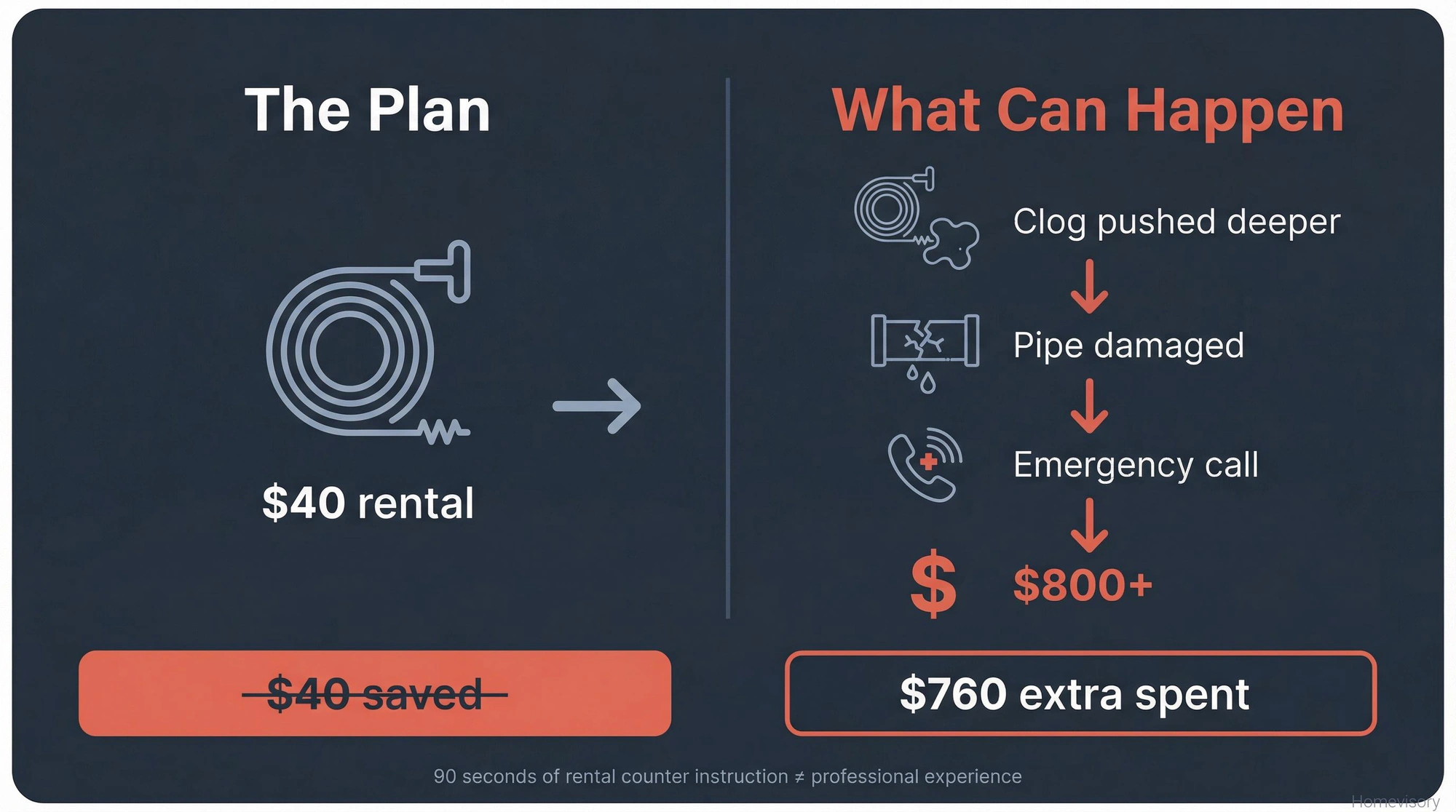
A slow kitchen drain is not the same as your main sewer line backing up into your basement. I’ve seen homeowners rent a drain snake for $40 thinking they’re saving money, and then they’re calling a plumber at 11 PM on a Saturday because they pushed a clog deeper or cracked something. Now theyre paying emergency rates plus the repair. That $40 rental turned into $800.
So lets talk about what main drain cleaning actually costs, what you can realistically do yourself, and when you need to just pick up the phone.
What Professional Drain Cleaning Service Actually Costs
The numbers vary a lot depending on what’s wrong and where you live. HomeAdvisor reports that main sewer line cleaning runs $100 to $800, and where you land in that range depends almost entirely on where the clog is and how bad it’s gotten.
Simple sewer main clogs cost $200 to $300 to clean professionally. Thats your baseline. If a plumber can get to it quickly with a standard snake, you’re looking at the lower end.
HomeGuide puts the average at $200 to $500 for snaking, which is the most common method for sewer drain cleaning. The process takes anywhere from 30 minutes to 2 hours depending on how deep the clog is and how stubborn.
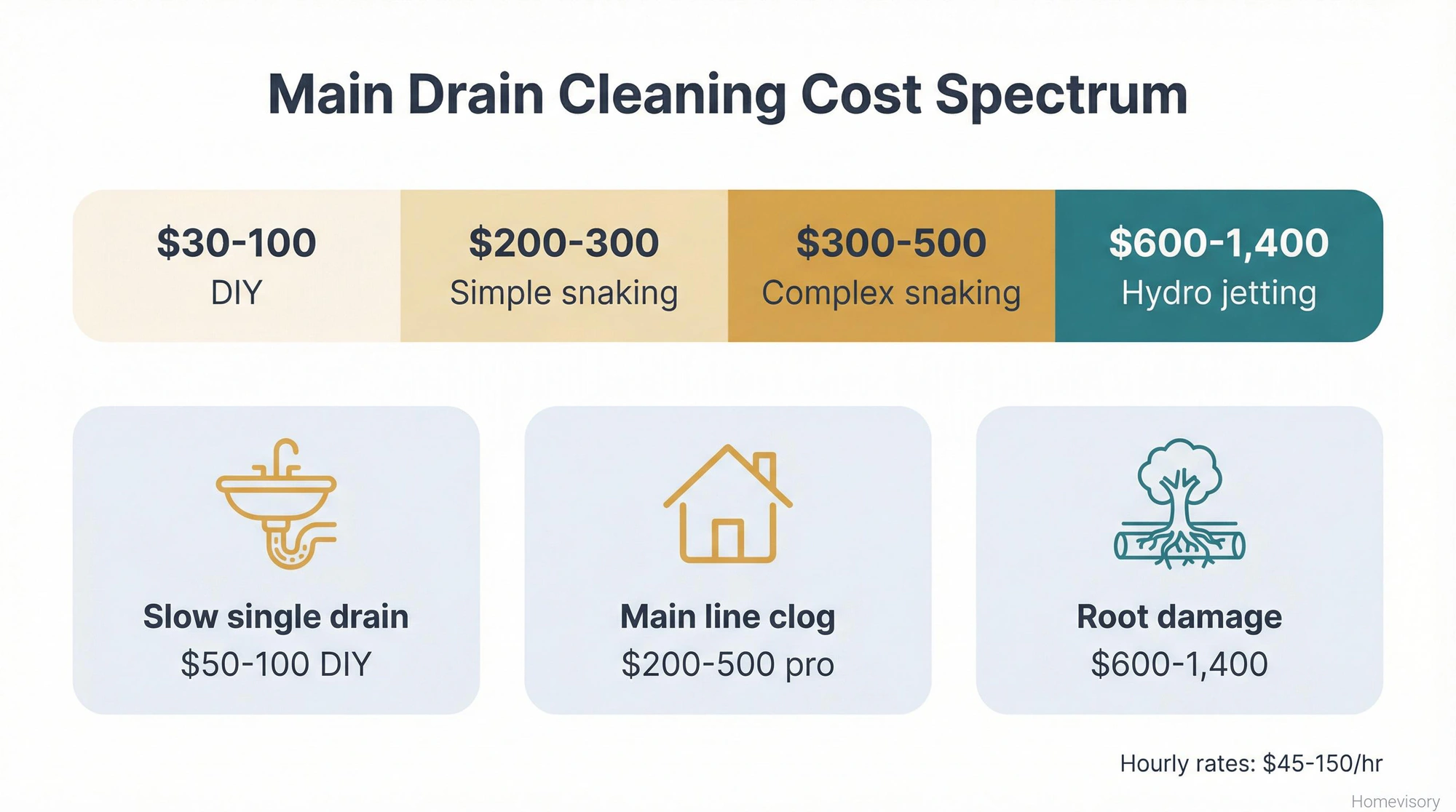
Then there’s hydro jetting. That runs $600 to $1,400 and it’s for severe clogs or when you’ve got years of buildup. If you need hydro jetting, you’re past DIY territory anyway. Call someone. I’m not getting into that here.
Professional plumbers charge between $45 and $150 per hour depending on your location. Cities are more expensive. Small towns less. Weekend and evening calls cost more. That part shouldn’t surprise anyone.
The DIY Option
You can clear minor drain clogs yourself and save over $100 compared to calling someone. That’s real money. But “minor” is doing a lot of work in that sentence.
Here’s what DIY main drain cleaning looks like:
A drain snake rental costs $30-50 for a day. You can buy a basic handheld snake for $20-40. A longer motorized snake for main lines runs $200-400 to buy, or $50-75 to rent. Add in gloves, maybe a bucket, some towels you don’t care about anymore. Call it $50-100 total for a rental situation.
Compare that to the $200-300 professional baseline and yeah, you’re saving money. If it works.
When DIY Makes Sense
Slow drains. Hair clogs. Soap buildup. Stuff near the drain opening that you can reach with a basic snake or even a drain zip tool. If water is still going down, just slowly, and you’re dealing with a single fixture, you can probably handle it.
I cleared a bathroom sink clog last month with a $7 plastic zip tool. Pulled out a hairball that would have impressed a cat. Total time: four minutes. Total cost: $7 and some disgust. Our clogged drain guide covers all drain types from fixture clogs to main lines, and for bathroom and kitchen sinks specifically, check out how to unclog a sink for the full breakdown.
When DIY Doesn’t Make Sense
If every drain in your house is slow or backing up, you’re dealing with your main line. That’s different.
My neighbor tried to tell me once that vinegar and baking soda would fix a main line clog. Just pour it down there. The bubbles will break it up. I didn’t even know what to say to that. Your main sewer line is potentially 100 feet of 4-inch pipe running to the city connection or your septic tank. Vinegar and baking soda can’t do anything meaningful to a root intrusion or a collapsed section or years of grease buildup. It just can’t. I don’t know where people get these ideas.
What Can Go Wrong With DIY Main Line Work
This is the part I probably care too much about, but I’ve made these mistakes and I’ve seen other people make them and the costs add up fast. HomeAdvisor notes that aggressive snaking can scratch pipes, push debris deeper, or crack older lines. They say the risk is low with an experienced plumber. Key words there: experienced plumber. Not homeowner with a rental snake and a YouTube video.
Here’s what actually happens when you snake a main line wrong. The cable is spinning, its got a cutting head on the end, and you’re feeding it into pipe you can’t see. Hit a joint wrong and you can damage it. Push too hard against a clog and instead of breaking through you compact it into something worse. Older clay or cast iron pipes, which a lot of houses still have, can crack if you’re too aggressive. Now you don’t have a clog, you have a pipe repair. Thats not $200-300 anymore. Thats thousands. I watched a guy at a rental counter explain to someone how to use a drain snake and it took maybe 90 seconds. Ninety seconds of instruction for a tool that can cause real damage if you don’t know what you’re doing.
The Safety Stuff
Plumber Magazine identifies seven major hazards in drain and sewer cleaning that can cause injury or death. Not my words. Theirs. A rotating cable can sever a finger, tear tendons, or break a wrist. High-pressure water from jetting equipment can cause blindness and permanent injury.
I’m not trying to scare you away from DIY completely. I’m saying that main line work is different from snaking your bathroom sink. Different tools, different risks, different skill level.
What About Chemical Drain Cleaners
Don’t. Moving on.
Fine, I’ll say a little more. They can damage pipes, especially older ones. They don’t work on serious clogs. And if you pour chemicals down there and then call a plumber, now the plumber is dealing with caustic chemicals on top of your clog. They’ll tell you about it too.
How to Decide: A Real Framework
My dad worked in a factory for 35 years and he used to say, about machine repair, he used to say that the smartest thing you can learn is what’s above your pay grade. He wasn’t talking about drains. He was talking about industrial equipment. But it applies.
Here’s how I think about it:
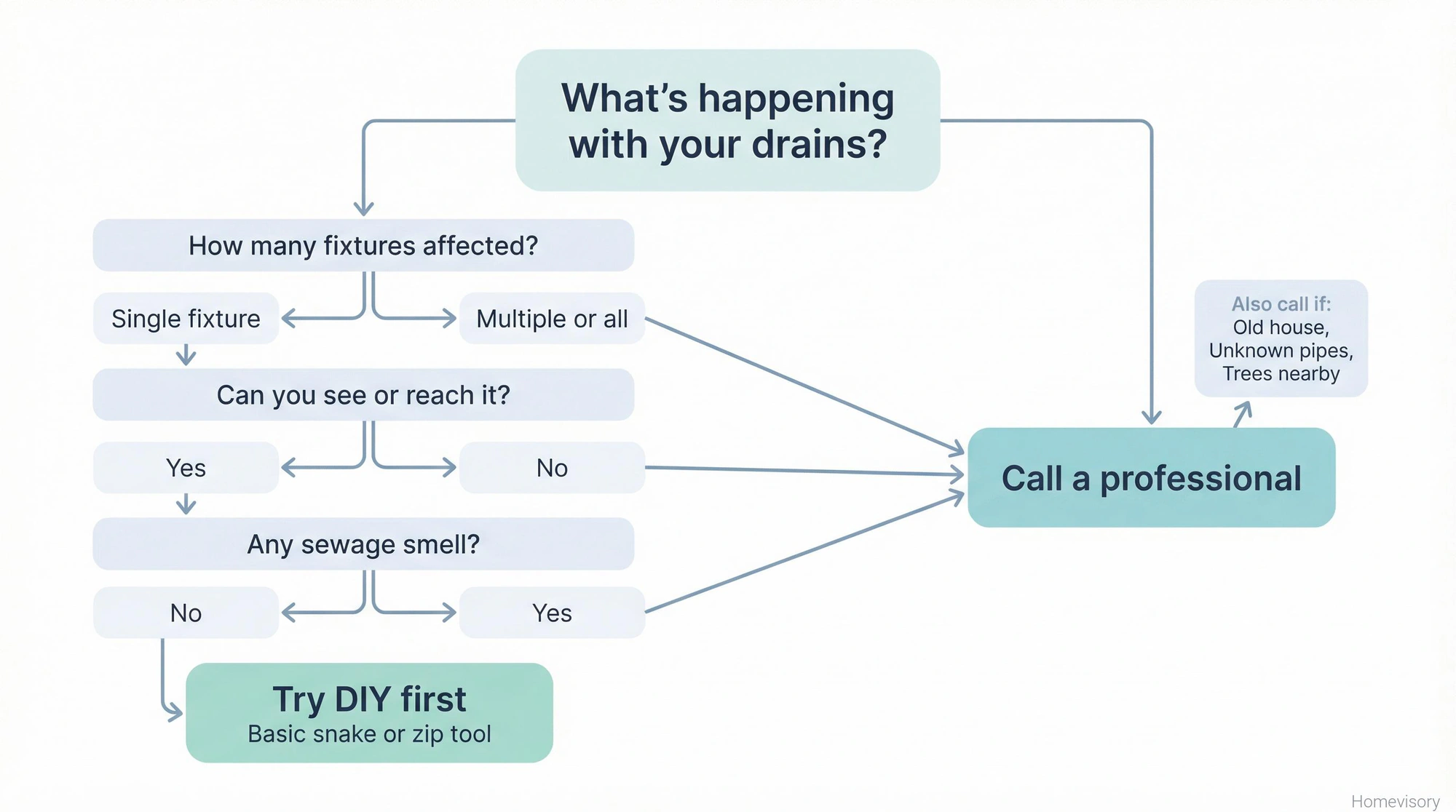
Do it yourself if:
- Single fixture is slow (not backing up completely)
- You can see or reach the clog
- You have basic tools already
- Water still drains, just slowly
- No sewage smell
Call for drain cleaning service if:
- Multiple fixtures affected
- Main line symptoms (all toilets, lowest drains backing up)
- Sewage smell
- You’ve already tried DIY and it didn’t work
- Old house with unknown pipe condition
- Tree roots are a possibility
The first house Raquel and I bought had drain problems we inherited from the previous owners. They’d been “managing” a slow main drain for years apparently. Pouring hot water down it. Using those enzyme treatments. Whatever. By the time we bought the place, tree roots had grown into a joint and the whole line needed to be excavated. We didn’t know any of this when we made the offer. The inspection didn’t catch it. Anyway.
The Math That Actually Matters
You can save an average of over $100 DIYing a simple clog. That’s true. But professionals have tools that clear clogs without damaging pipes, and some DIY methods might damage them. That’s also true.
So the real math isn’t $50 vs $250. It’s: what’s the probability that I make this worse.
If your house is newer with PVC pipes and you’ve got a straightforward clog you can identify, the risk is low. Go ahead and try.
If your house is older, you don’t know what your pipes are made of, or you’re dealing with main sewer line issues, the risk goes up. A professional can complete the job much more quickly and they carry insurance for when things go wrong.
The EPA recommends contacting a local septic system service provider or plumber to address serious drainage issues. They also recommend inspecting your system every 1 to 3 years. Preventive maintenance is cheaper than emergency repairs. Always has been.
What I Actually Do
I handle simple clogs myself. Always have. But main drain cleaning on my own sewer line. I don’t do that anymore.
I tried once. Rented a snake. Watched videos. Felt confident. Got the snake stuck. Had to call someone anyway. They got it unstuck, cleared the actual clog, and charged me for both problems. I saved nothing. I felt stupid. Raquel didn’t say anything but she had a look.
Now if its a main line issue, I call someone. Takes them an hour, costs me $200-300, and I know its done right. Snaking takes a professional a few minutes for simple clogs up to two hours for tough ones, but they have the experience to know what they’re doing.
That’s the trade. You’re paying for someone else’s experience and tools. Whether that’s worth it depends on the job.
Prevention Beats Emergency
Average maintenance costs around $200 to $400 for drain cleaning service. Hydro jetting prevents clogs for 2 to 3 years, which makes it more cost-effective long-term than repeated snaking.
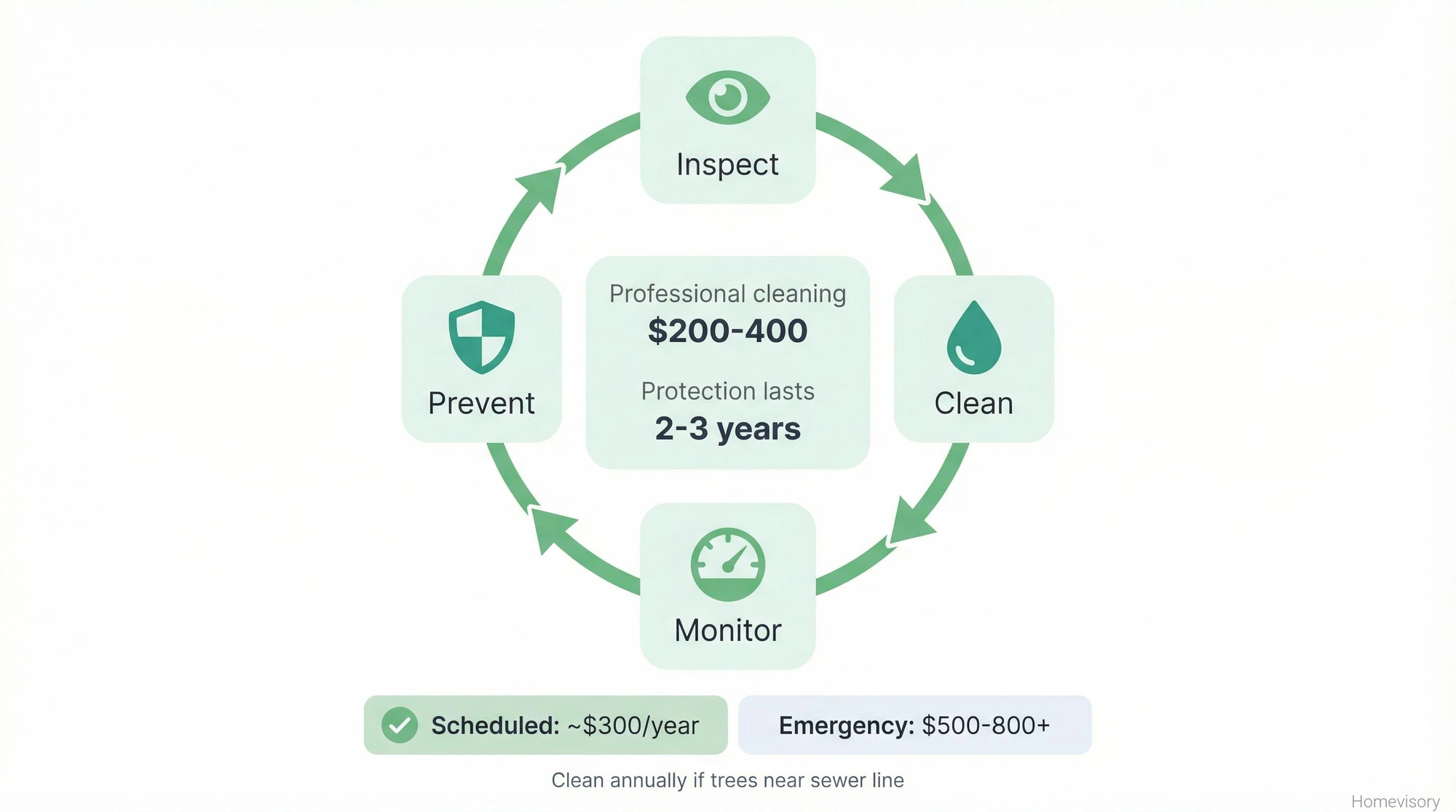
Schedule main drain cleaning before you have a problem. Once a year if you have trees near your sewer line. Every couple years otherwise. It’s like changing your oil. You can wait until the engine seizes but it’s going to cost you more.
That’s what we do here at Homevisory. We help you figure out what actually needs to happen with your home, when to handle it yourself, and when to call someone. The Homevisory home task manager is free and it’ll remind you about this stuff before it becomes an emergency. Sign up and stop managing your house by crisis.