Why Your Bathtub Is Dirtier Than You Think
Most people clean their bathtub when it looks dirty. Ring around the tub, some soap scum, maybe some discoloration near the drain. Thats the wrong approach. By the time you see buildup, you’ve got weeks or months of body oils, dead skin, soap residue, and whatever else washed off you baked into the surface. Learning how to clean a bathtub properly means getting ahead of that cycle, not chasing it.
I grew up watching my mom Shirley attack our bathroom every Saturday morning. The whole house in Atlanta smelled like Pine-Sol by 8 AM. She had a system. Tub first, then toilet, then sink, then floor. Always that order. She used to say the bathtub was the dirtiest thing in the bathroom because thats where all the dirt from the week ended up. I thought she was being dramatic. She wasn’t.
Know Your Tub Material First
Before you put any cleaner on any surface, you need to know what youre working with. This is where people mess up constantly and I’ve seen the results. Acrylic tubs, fiberglass tubs, porcelain-enameled steel, cast iron with enamel coating, they all look similar when theyre clean but they react completely differently to cleaning products. I’ve walked into bathrooms where someone used a scouring pad on an acrylic tub because they wanted to “really get it clean” and now they’ve got permanent scratches that collect dirt faster than the original smooth surface ever did. Or they used bleach on a colored fiberglass insert and now it’s faded and looks terrible and theres nothing you can do about it short of replacing the whole thing. Mr. Davis, my woodshop teacher back in Atlanta, used to talk about working with the grain instead of against it. Same principle applies here. Work with your material, not against it.
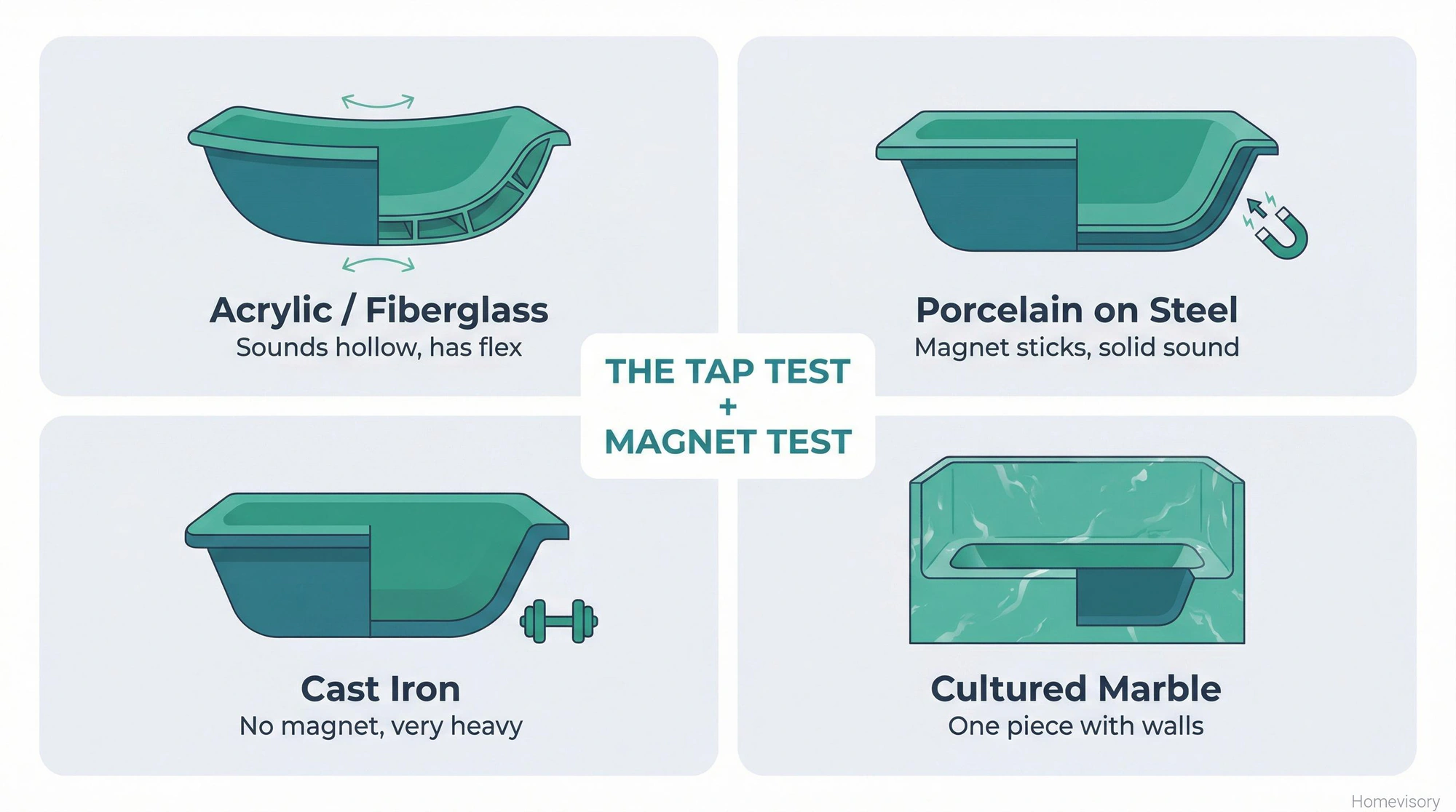
Heres how to figure out what you have:
Acrylic and fiberglass: Tap it. If it sounds hollow and has some flex to it, thats what you’ve got. Most tubs installed after 1980 are one of these. They scratch easily. No abrasive cleaners. No scouring pads. Ever.
Porcelain enamel (on steel or cast iron): Tap it. Sounds solid, no flex. Put a magnet on it. If it sticks, you’ve got steel underneath. If it doesn’t stick and the tub weighs approximately a thousand pounds, its cast iron. These can handle slightly more aggressive cleaning but the enamel can still chip.
Cultured marble or solid surface: Usually one piece including the surround. Matte or semi-gloss finish. Treat it like acrylic.
The Basic Clean (Weekly)
This is how to clean a bathtub for regular maintenance. Takes maybe ten minutes.
You need: dish soap, white vinegar, a spray bottle, and a soft cloth or non-scratch sponge. Thats it. People spend forty dollars on specialized tub cleaners when a two-dollar bottle of dish soap does the same job. The dish soap cuts through body oils and soap scum. The vinegar handles mineral deposits and hard water stains.
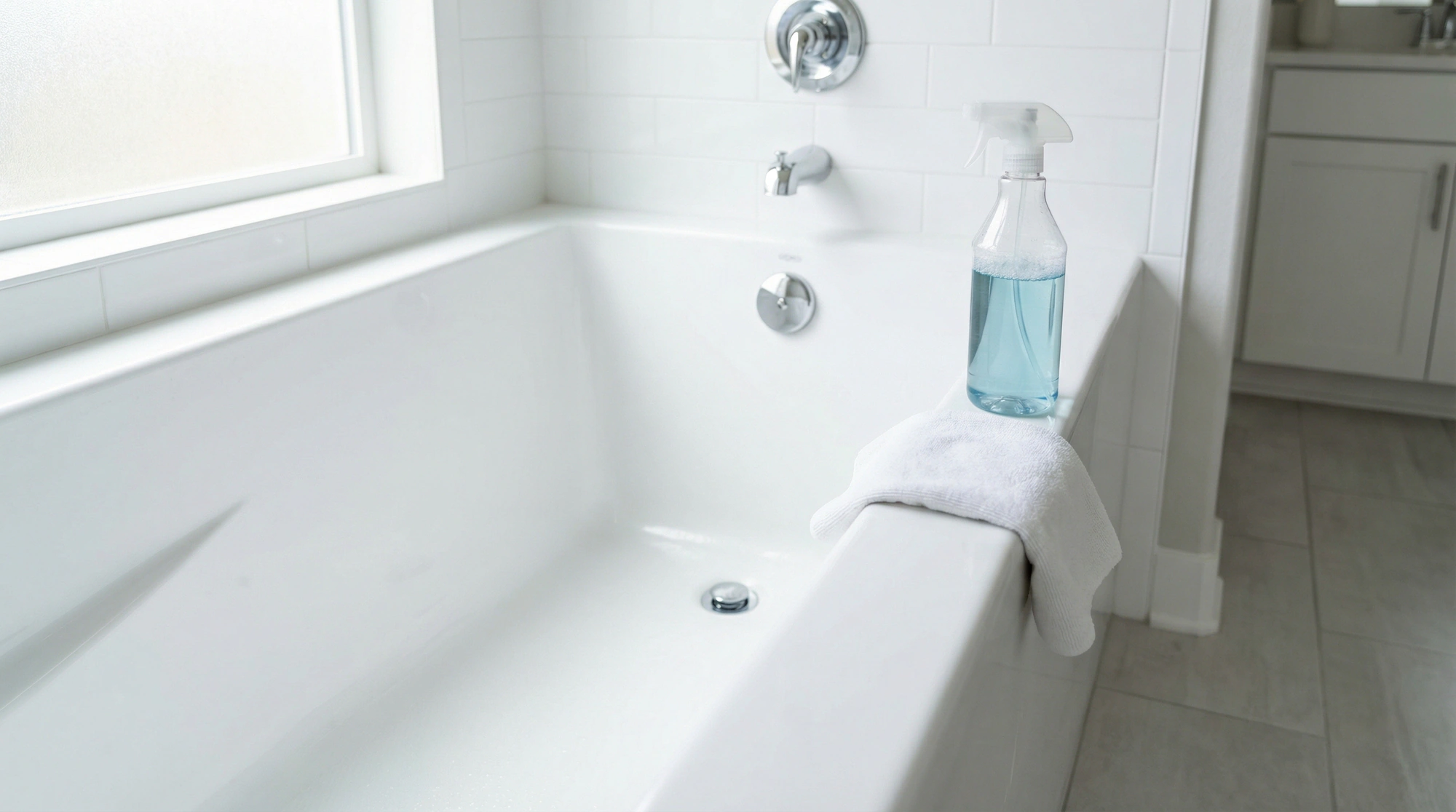
Mix equal parts dish soap and white vinegar in a spray bottle. Warm the vinegar first if you want, it helps it mix. Spray the whole tub. Let it sit five minutes. Wipe it down. Rinse with warm water.
Done. Moving on.
Deep Cleaning and Stain Removal
Once a month you need to go deeper. This is where the real how to clean bathtub work happens.
For general buildup and soap scum:
Make a paste with baking soda and a little water. Spread it on the tub surface. Let it sit fifteen to twenty minutes. Then spray your vinegar-soap solution over it. It’ll fizz. Thats the reaction you want. Scrub with a soft brush or cloth, working in circles. Rinse thoroughly.
For hard water stains and mineral deposits:
Straight white vinegar. Soak paper towels in it, lay them on the stained areas, let them sit for an hour. The acid in the vinegar dissolves the mineral buildup. Remove the paper towels, scrub gently, rinse.
For mold and mildew:
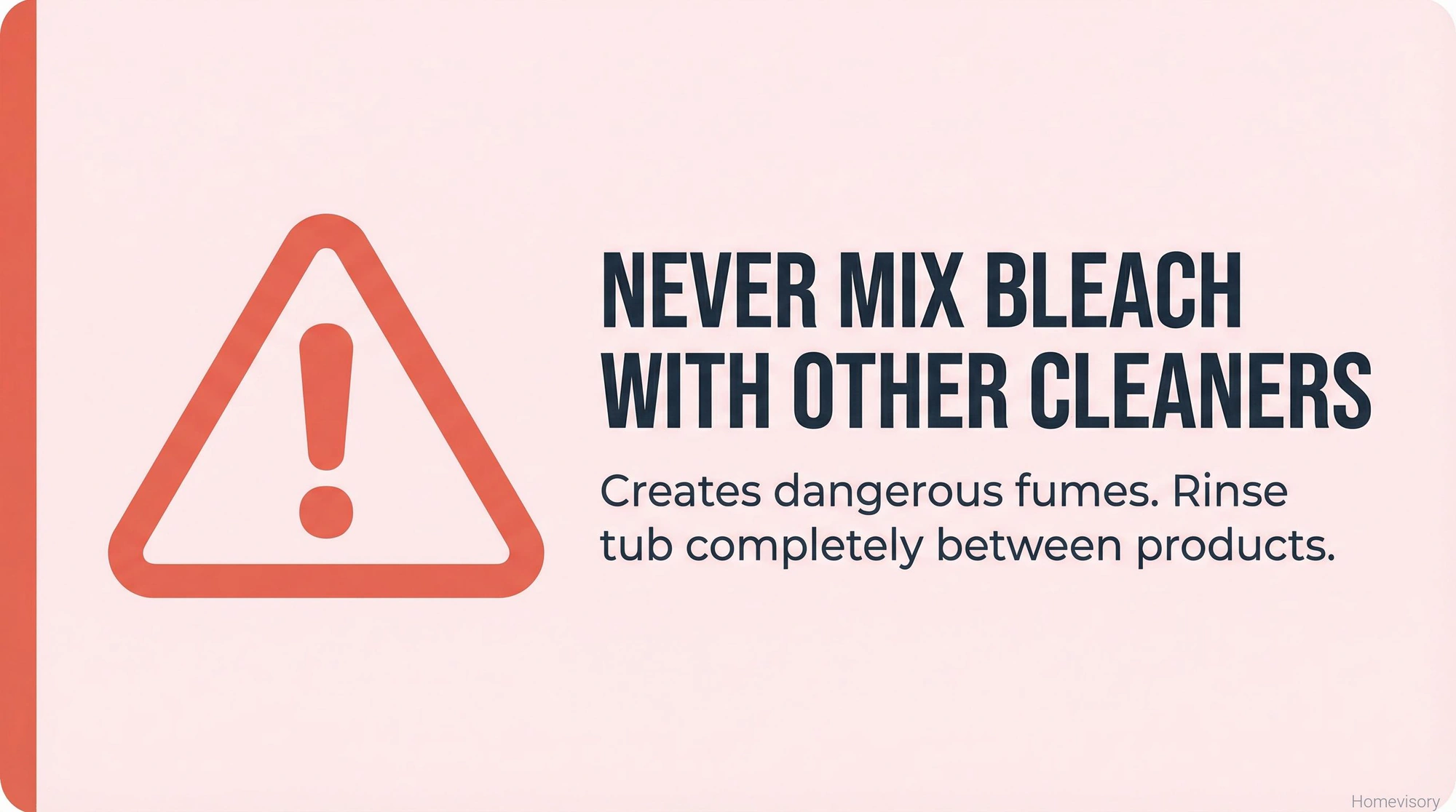
The EPA recommends using 1/3 cup of bleach added to 1 gallon of water for disinfection when commercial disinfectants arent available. This works for mold and mildew in tubs. But here’s the critical part that people ignore: never mix bleach with other cleaning products. This can create dangerous fumes. I mean it. No mixing. If you used vinegar earlier, rinse the tub completely before using any bleach solution. Open a window. Turn on the exhaust fan. If you’re dealing with recurring mold in your bathroom, that’s a sign of a deeper moisture problem.
For rust stains:
This is trickier. Rust usually comes from metal objects left in the tub or from pipes. Lemon juice and salt makes a decent paste for light rust. For serious rust, you might need a commercial rust remover, but check that it’s safe for your tub material first. Oxalic acid works but its harsh. Test in an inconspicuous spot.
Natural cleaners vs chemical cleaners. Both work. Pick one.
Free printable
Save this for later: get the printable field guide
The free Homevisory field guide covers every season on one calm, printable plan: what to check, what normal looks like, and when to call for help. Tell us where to send it.
Sent! Check your inbox in the next minute or two.
Can't wait? Download the guide now
The Drain (This Is What People Skip)
I’m going to spend more time on this than you probably want me to because this is the part everyone ignores and its the part that causes actual problems.
The drain and overflow area of your bathtub collects hair, soap scum, skin cells, and bacteria. It gets wet and stays damp. Its dark. Its the perfect environment for mold and biofilm and that pink stuff that isnt actually mold but acts like it. And when you “clean your bathtub” you probably wipe around the drain, maybe stick your finger down there to pull out some hair, and call it done.
Thats not cleaning the drain.
Once a month: remove the drain cover and overflow cover. Most just pop off or unscrew. You’ll probably find a hair clog starting to form. Pull it out. I know. Its gross. Do it anyway. Then pour a half cup of baking soda down the drain followed by a half cup of white vinegar. Let it fizz for fifteen minutes. Follow with boiling water. The same technique works if you need to clean a sink drain or clear a clogged shower drain.
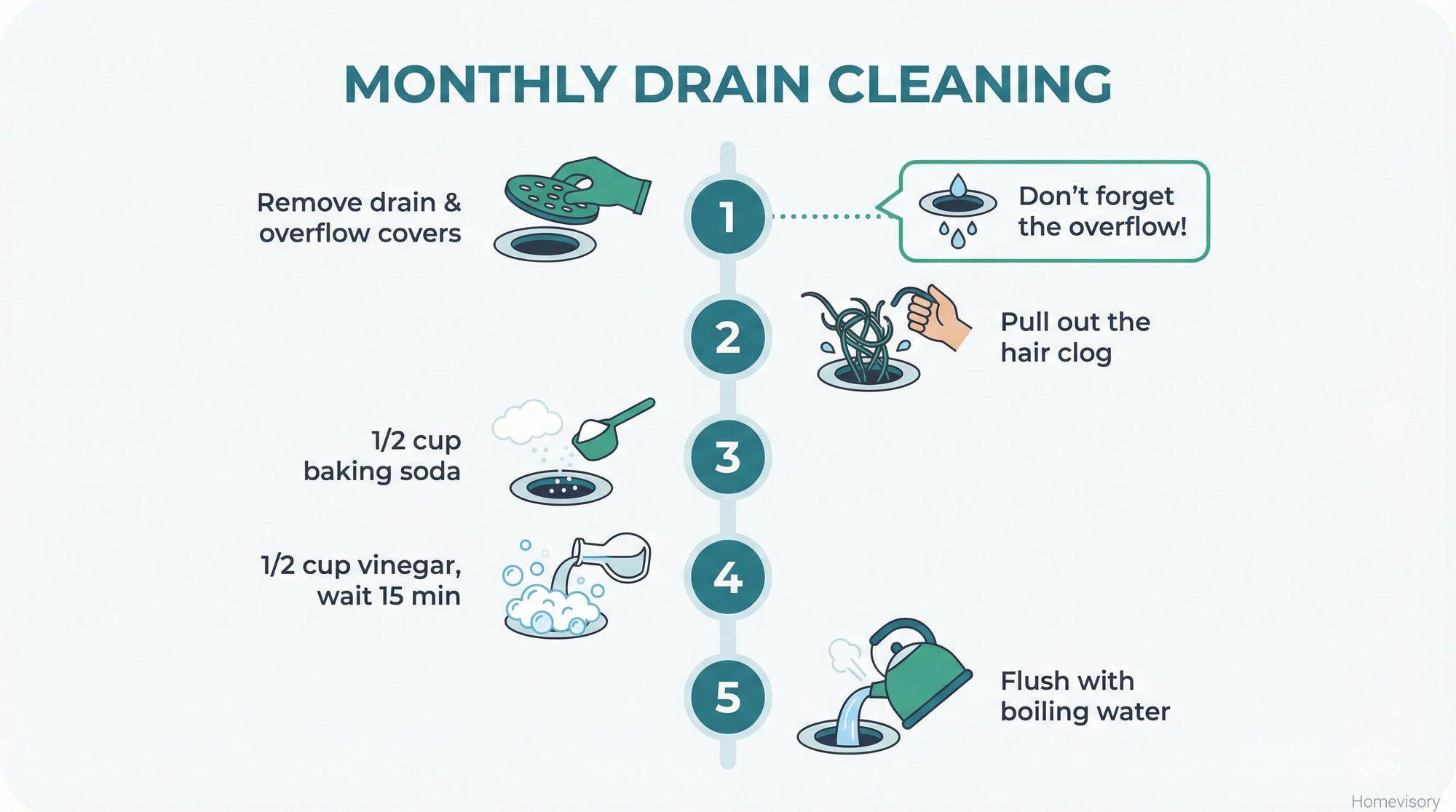
For the overflow, same thing. The overflow is that little hole higher up on the tub wall that prevents flooding. It connects to the same drain pipe and it gets just as gunky. Spray your vinegar solution in there, use an old toothbrush to scrub what you can reach.
My shower tile shortcut disaster in 2011, the one I’ve mentioned before, that started with water damage I didn’t notice because I wasnt paying attention to what was happening around my drain and where water was actually going. I tiled over old tile to save time. Eleven months later the grout cracked and tiles popped off and the subfloor was soft from moisture. Water finds every mistake you make. Water finds every gap in your attention. If youre not cleaning around the drain properly, youre letting moisture sit where it shouldn’t sit.
Stain Types and What They Mean
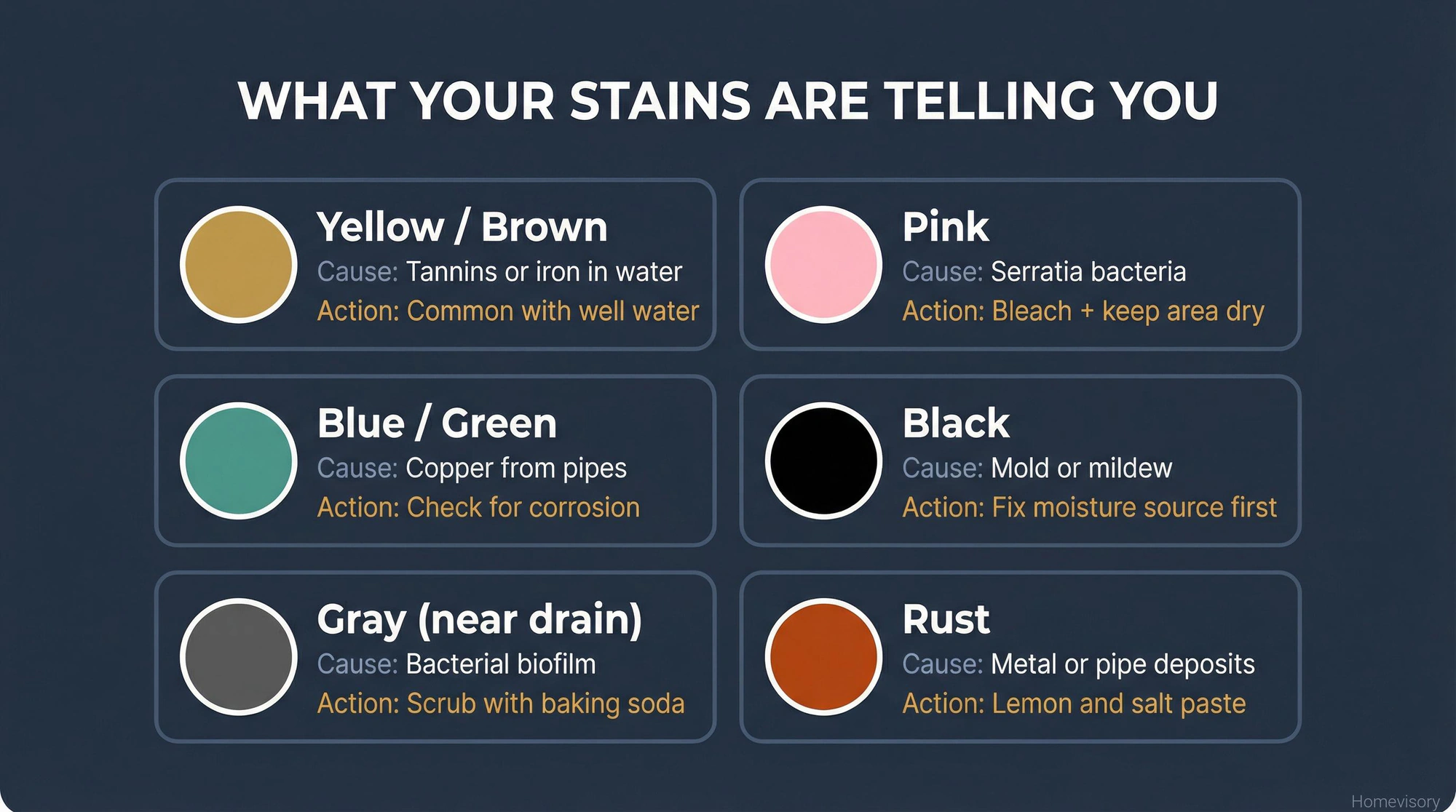
Yellow or brown stains: Usually tannins in your water supply or iron. Common in homes with well water.
Pink stains: Not mold. Its a bacteria called Serratia marcescens. It loves damp environments. Clean it with a bleach solution and keep the area dry when not in use.
Blue or green stains: Copper in your water, often from corroding pipes. The stains are cosmetic but the source might indicate a plumbing issue.
Black stains: Usually mold or mildew. Address moisture issues first, then clean.
Gray or dark residue near the drain: Biofilm. That bacterial buildup I mentioned. Scrub with baking soda and an old toothbrush.
What About Jetted Tubs
I’m not getting into jetted tubs here. Thats a whole different situation with the jets and the internal lines and the potential for bacteria buildup in places you cant even see. Call a professional or do your own research on that one.
Safety Notes
Bathroom injuries are more common than people realize. More than 43,000 children are injured in the bathtub and shower every year in the United States. When youre cleaning, the tub gets slippery. If you have kids around, keep them out of the bathroom while youre working. If you’re older or have balance concerns, the bathroom is a place where falls often happen and a wet tub you just cleaned is exactly the kind of surface that causes problems.
Also, ventilation. Always wear gloves appropriate for the chemicals being used and make sure you have good ventilation. Open a window, run the fan, don’t sit in a closed bathroom breathing in cleaning product fumes.
How Often
Weekly: basic wipe-down with dish soap solution after your last bath or shower of the week.
Monthly: deep clean with baking soda paste, full drain cleaning, check the caulk and grout for mold.
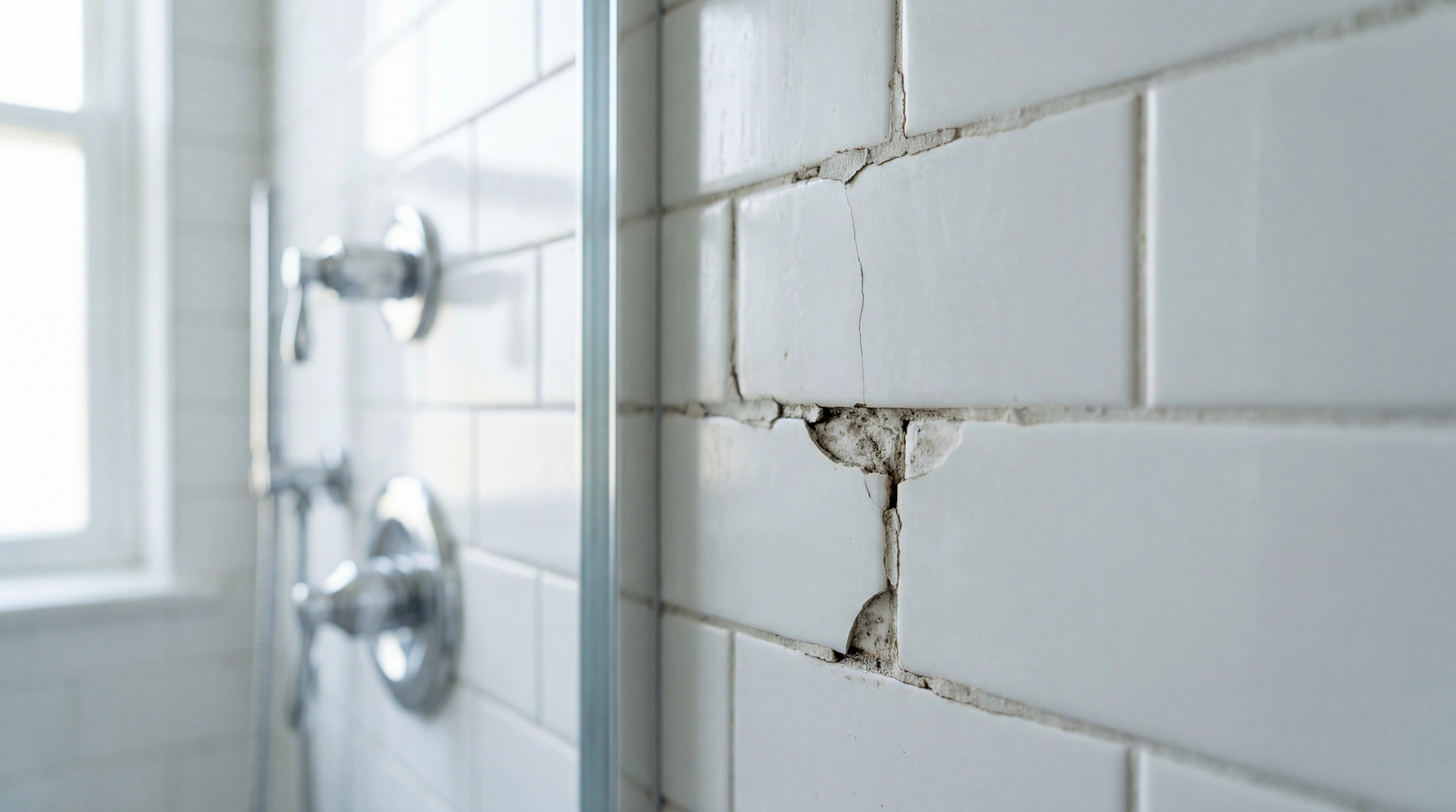
Quarterly: really inspect the whole tub. Look at the caulk around the edges. Look for chips in the finish. Look at where the tub meets the wall. Small problems become big problems if you ignore them. If you notice grout cracking or failing, address it before water gets behind the tiles.
Richard, my second son, used to come in from playing outside in Atlanta covered in that red Georgia clay. He’d get in the tub and it would look like someone had dumped a bucket of rust in there. Raquel would make him rinse off with the handheld sprayer before she’d even let him sit down. I think about that sometimes when I’m cleaning tubs now. Kids track in everything. Dogs track in everything. We track in everything. And all of it ends up in the bathtub.
Shirley would have opinions about how I clean my tub now. She’d probably say I’m not thorough enough, that I’m cutting corners somewhere. She always found something. I don’t know. The tub gets clean. Thats what matters.
When to Call Someone
If you’ve got deep stains that wont come out no matter what you try, a professional refinisher can restore the surface. If your caulk is moldy throughout and not just on the surface, it needs to be removed and replaced. Knowing how to caulk a shower properly can save you from future water damage. If you’re seeing cracks in the tub itself or soft spots in the surround, thats water damage and you need someone to look at what’s behind the wall.
Professional bathroom cleaning services run around $117 to $144 per bathroom if you want someone else to handle it. For regular maintenance though, you dont need to pay that. Ten minutes a week. Thats all it takes once you know how to clean a bathtub properly.
The tub is just one piece of keeping your bathroom healthy. Our complete bathroom cleaning guide covers grout, caulk, mold, soap scum, and shower heads — everything in one place.
Keeping track of when you last deep cleaned the tub, when you cleaned the drains, when you checked the caulk, it adds up. Thats what Homevisory does. Our Homevisory home task manager reminds you when maintenance is due so you’re not relying on memory or waiting until something looks bad. Sign up free and let us help you stay ahead of the mess instead of chasing it.