
Most people wait until something breaks. Thats the problem with spring home maintenance, the checklist exists but nobody looks at it until the AC dies in July or the basement floods in April. I’ve been doing this for decades and I still see the same mistakes. People treat their homes like cars where you only take it to the shop when the check engine light comes on. Houses dont have check engine lights. They just quietly fall apart.
A spring home maintenance checklist sounds boring. I know. But boring is what keeps your systems running and your wallet intact.
HVAC and Air Filters
This is the part I probably care too much about. The Department of Energy reports that replacing dirty filters with clean air filters can reduce your energy consumption up to 15%. Fifteen percent. That’s real money. And yet I talk to homeowners all the time who haven’t changed their filter in six months, a year, sometimes longer. They don’t forget. They just don’t think it matters.
Here’s why it matters and I’m going to spend more time on this than other sections because filters are cheap and easy and people still skip them. A dirty filter makes your system work harder. Airflow problems can reduce your system’s efficiency by up to 15 percent. Thats on top of the energy waste. Your compressor is straining. Your coils are getting dirty. Dirty coils reduce the system’s ability to cool your home and cause the system to run longer, increasing energy costs and reducing the life of the equipment. The whole thing cascades. A $15 filter you didn’t change turns into a $500 repair call. I’ve seen it happen dozens of times. People call me and say their AC stopped working and half the time I already know what happened before I even look. The filter was gray. The filter was black. The filter had been there so long it had a name and a social security number.

My dad used to say, about something totally different, he used to say “don’t make future you clean up after present you.” He was talking about tools. Putting your tools away when you’re done instead of leaving them out. But it applies to filters. Change the filter now or pay the repair bill later.
The U.S. Department of Energy advises checking an air filter once a month and replacing it at least every three months. I check mine monthly. In Palm Beach the humidity makes everything work harder. In Atlanta when I was growing up, the pollen would coat everything yellow in spring, and if you didn’t stay on top of your filter it would turn into a solid wall of Georgia pine pollen. You could not see through it. We have a more detailed guide on how often to change air filters if you want the full breakdown.
Inspect, clean, or change air filters once a month in your central air conditioner, furnace, and/or heat pump. Do it. Write it on your calendar. Set a phone reminder. Whatever works for you.
While youre at it, look at your outdoor condenser unit. Clear away any debris, leaves, branches. The unit needs airflow. If bushes have grown up around it over winter, cut them back. I leave about two feet of clearance on all sides. For a full seasonal tune-up, check out our air conditioner maintenance guide.
The Dryer Vent
This is a fire hazard and I’m not being dramatic. There are approximately 15,600 structure fires, 400 injuries and 15 deaths reported annually as a result of dryer fires. The NFPA reports that failure to clean the dryer (34%) and failure to clean the venting system (28%) are the leading factors contributing to home fires involving dryer fires.
Thirty-four percent. One third of dryer fires because people didnt clean.

Even if you clean your clothes dryer’s lint trap after every use, the vent still accumulates lint over time. That’s especially likely if snow covered the exterior backdraft damper for a while last winter. A clogged vent can reduce your dryer’s efficiency and create a fire hazard. Our dryer vent cleaning guide walks through the full process.
I have four kids. Raquel has been doing laundry in our house for over two decades. We clean the lint trap every load, thats basic, but spring is when I pull out the dryer and clean the actual vent pipe. You can buy a dryer vent brush kit for like $20 at Home Depot. I also go outside and check the exterior vent flap. Sometimes birds try to nest in there. Sometimes its just packed with lint that blew out over the year.
This takes maybe 20 minutes once a year. Skip it and you’re gambling with fire. I’m not going to tell you twice.
Gutters and Drainage
Water damage is one of the most common and most expensive home claims. You can help reduce your risk of experiencing water damage at your home by cleaning your gutters two times a year and keeping downspouts clear.
I became obsessed with drainage after Plano. In 2007 I built a deck for a client in Plano, Texas. The deck wasn’t level. Not badly off, but enough that water pooled in the center when it rained. The client called me and said “I didn’t order a koi pond.” I rebuilt it at my own cost and bought a Stabila level I still call The Plano Reminder. Anyway the point is water finds every mistake you make. Water does not care about your intentions or your schedule or your budget. Water just goes where gravity takes it.

Gutters serve a critical function in the architectural integrity of a home by channeling rainwater away from the foundation, walls, and roof. They are specifically designed to handle precipitation efficiently, preventing water from settling around your home, which can lead to severe structural issues. However, when gutters become clogged with leaves, twigs, and debris, their efficiency is compromised.
Get on a ladder. Look in your gutters. Pull out the leaves and the decomposed mush that was once leaves. Check that water flows toward the downspouts. Make sure your downspouts direct water away from the foundation, at least four feet away, six is better. Use splash blocks or extensions.
Water then overflows and runs against exterior walls and onto the foundation of your property. Over time, this softens the soil around your house, which can weaken the foundation’s integrity and result in cracks and eventual structural failure.
I’m not exaggerating about foundation damage. I’ve seen it. It’s expensive to fix.
Smoke Detectors and CO Alarms
The National Fire Protection Association recommends every smoke detector be replaced after 10 years and that regular batteries be replaced every six months.
Spring is one of those two times per year. Test every smoke detector in your house. Press the button. If it doesn’t beep loudly, replace the battery. If you can’t remember when you installed the detector, look at the date on the back. Over 10 years old? Replace the whole unit. They don’t last forever. If your smoke detector keeps beeping, we have a troubleshooting guide for that too.

Test smoke alarms each month to ensure they are working and familiarize household members with the sound.
I have four kids. I take this seriously. Fire doesn’t give you a second chance.
Check Your Outdoor Faucets and Irrigation
If you have an irrigation system, prioritize maintenance so you aren’t wasting water. Celebrate ‘Sprinkler Spruce-Up’ with WaterSense every spring by inspecting your system to make sure winter weather didn’t damage irrigation equipment and lines. Check to make sure sprinklers aren’t spraying on pavement or hardscape and the drip lines are working properly without clogs or leaks.
Turn on your outdoor faucets. Let them run for a minute. Look for leaks at the spigot and listen for anything weird inside the wall. Winter can crack pipes. If you winterized your sprinkler system, now’s when you turn it back on and walk the whole system checking each head.
I’m in Florida now so we don’t deal with frozen pipes, but I remember Chicago winters from my traveling days. My eyelashes froze one January. My eyelashes. So I know what cold does to plumbing.
Window Screens
Check them. Fix the holes. Replace the ones that are destroyed.
Whatever. Just do it.
Deck and Exterior Wood
Inspect wooden decks, railings, windowsills and steps for rot. Repair or replace damaged wood, and touch up paint, stain or wood finish.
Mr. Davis taught me about wood when I was a kid in Atlanta. He was my woodshop teacher. He used to say you could tell how someone treated their life by how they treated their lumber. I don’t know if that’s true but I think about it sometimes when I see a deck that’s gray and splintering because nobody ever sealed it.
Walk your deck. Check for soft spots by pushing with your foot. Look at the ledger board where it connects to the house, that’s where rot starts usually because water gets trapped. Check the railings. Make sure nothing wobbles.
Stick your nose to the window when it’s raining and watch it hit your deck. If the water beads and pools for long periods of time, you still have protection, no beads means that it’s time for a maintenance coat.
Roof Inspection
Look at your roof from the ground with binoculars. Look for missing shingles, damaged flashing, anything that looks wrong.
If you see problems, call someone. I fix houses, not Hondas, and I also don’t walk on roofs anymore. Get a professional inspection if your roof is older than 15 years or if you had bad storms over the winter.
Sump Pump Test
If you have a basement, you probably have a sump pump. A sump pump needs to be regularly monitored to make sure it will do its job when needed.
Pour a bucket of water into the pit. The pump should kick on, pump the water out, and turn off. If it doesn’t, you have a problem. Fix it before spring rains come.
The Real Spring Home Maintenance Checklist
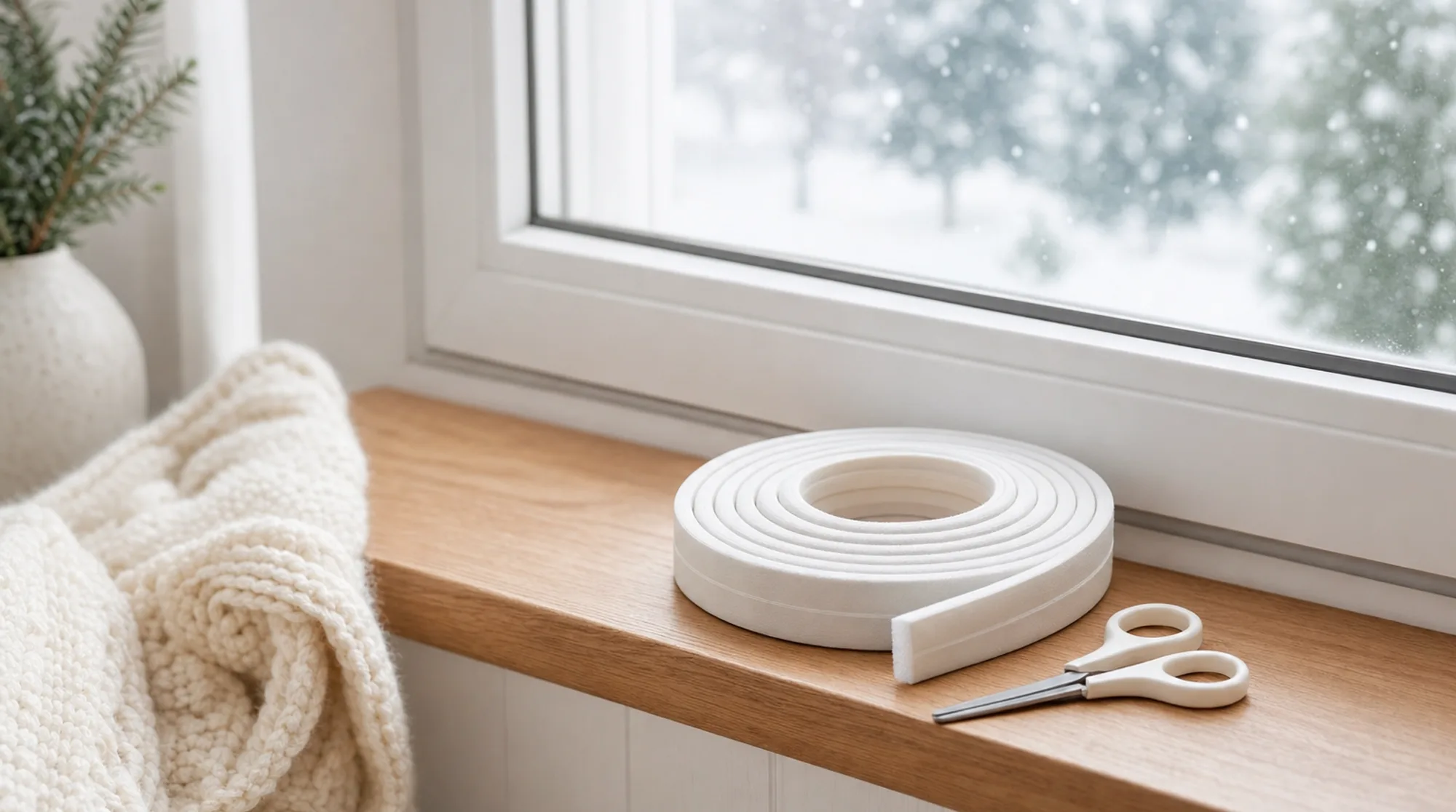
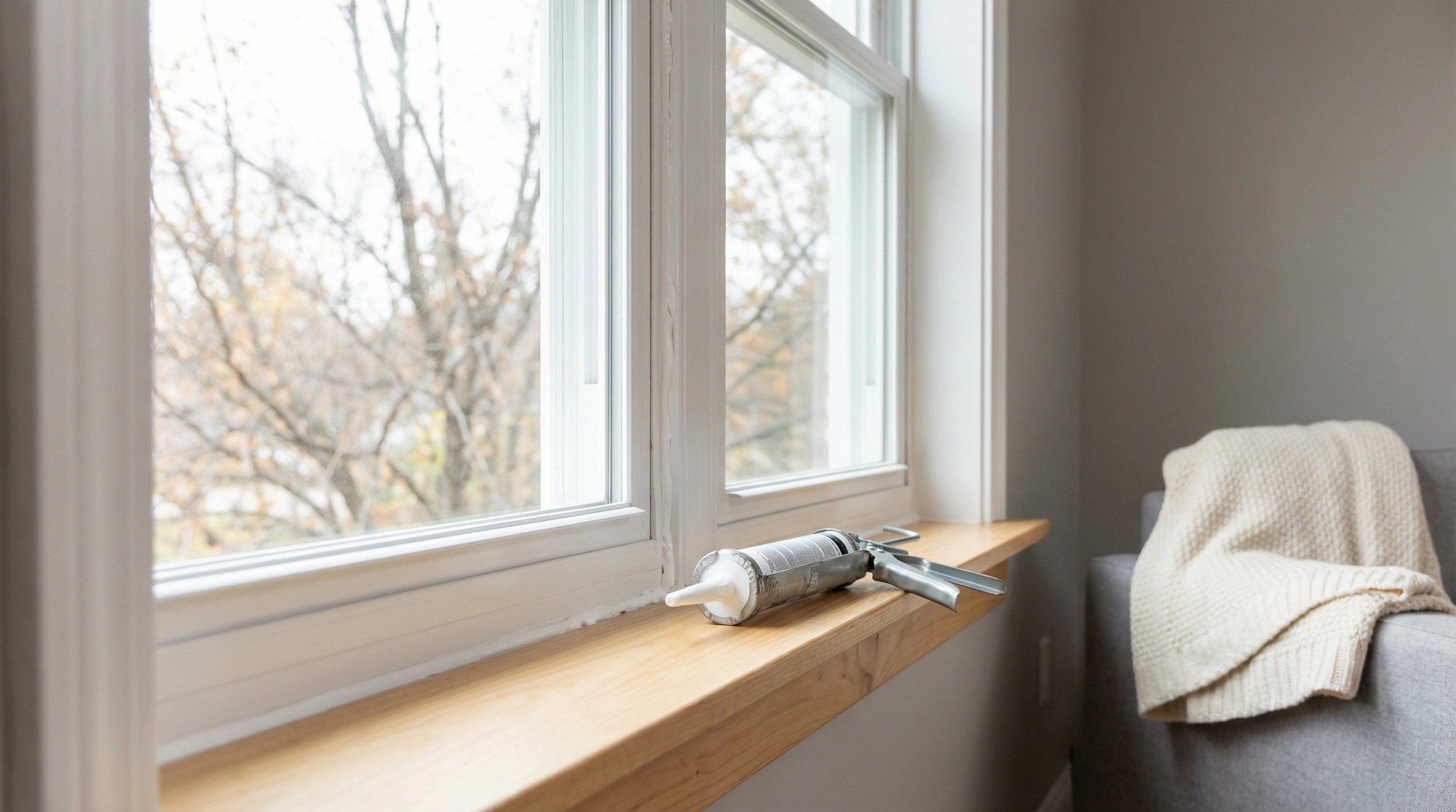
I could keep going. Check the caulk around your windows. Clean your range hood filter. Vacuum your refrigerator coils. There’s always more.
But here’s what matters: the filter, the dryer vent, the gutters, the smoke detectors. Those are the ones that save you money or save your house or save your life. The rest is maintenance. Important, yes. But those four things? Those are the spring home maintenance checklist items that people skip and then regret.

My mom Shirley was obsessive about keeping things clean. Saturday mornings in our house in Atlanta smelled like Pine-Sol and whatever else she was using and she would go over the same surface three times if she thought it wasn’t right. She worked at Sears for years and she used to say that how you do the small things is how you do everything. I didn’t appreciate it when I was twelve and she was making me re-clean the bathroom. I appreciate it now. The filter thing is probably because of her. She’d be proud that I’m checking HVAC systems and poking around in dryer vents. Or she’d say I’m not doing it right. Probably that one.
Look. A spring home maintenance checklist isn’t exciting. It’s not going to change your life in any dramatic way. But doing this stuff once a year, spending a weekend on it, keeps your house running and keeps small problems from becoming big problems. For the full year-round breakdown covering summer, fall, and winter too, see our complete home maintenance checklist. That’s what we do here at Homevisory.
If keeping track of all this feels overwhelming, that’s why we built the Homevisory home task manager. It reminds you when to change filters, when to clean gutters, when to test smoke detectors. All the stuff you mean to do but forget. Sign up for free and let the system remember so you dont have to.