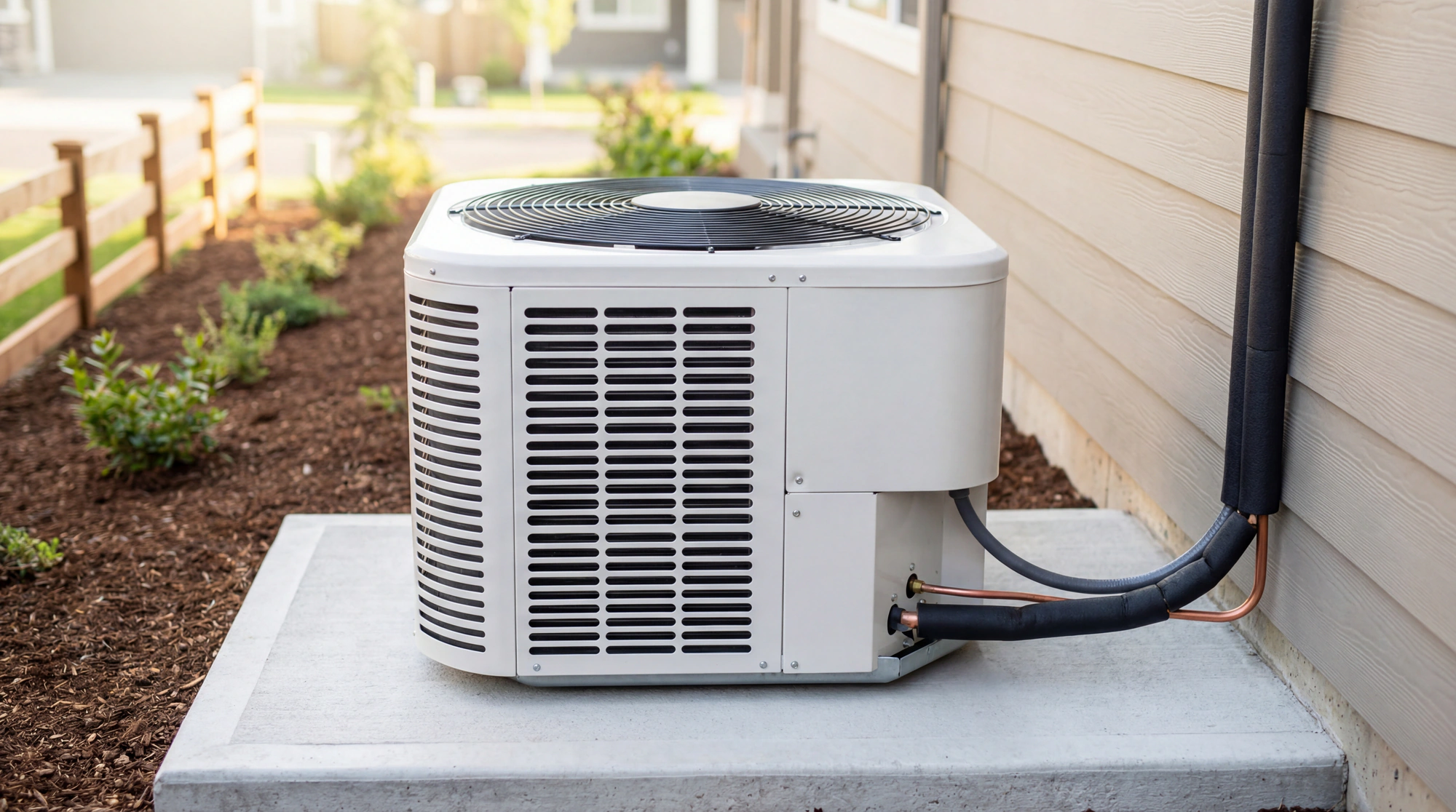
What Heat Pump Installation Actually Costs
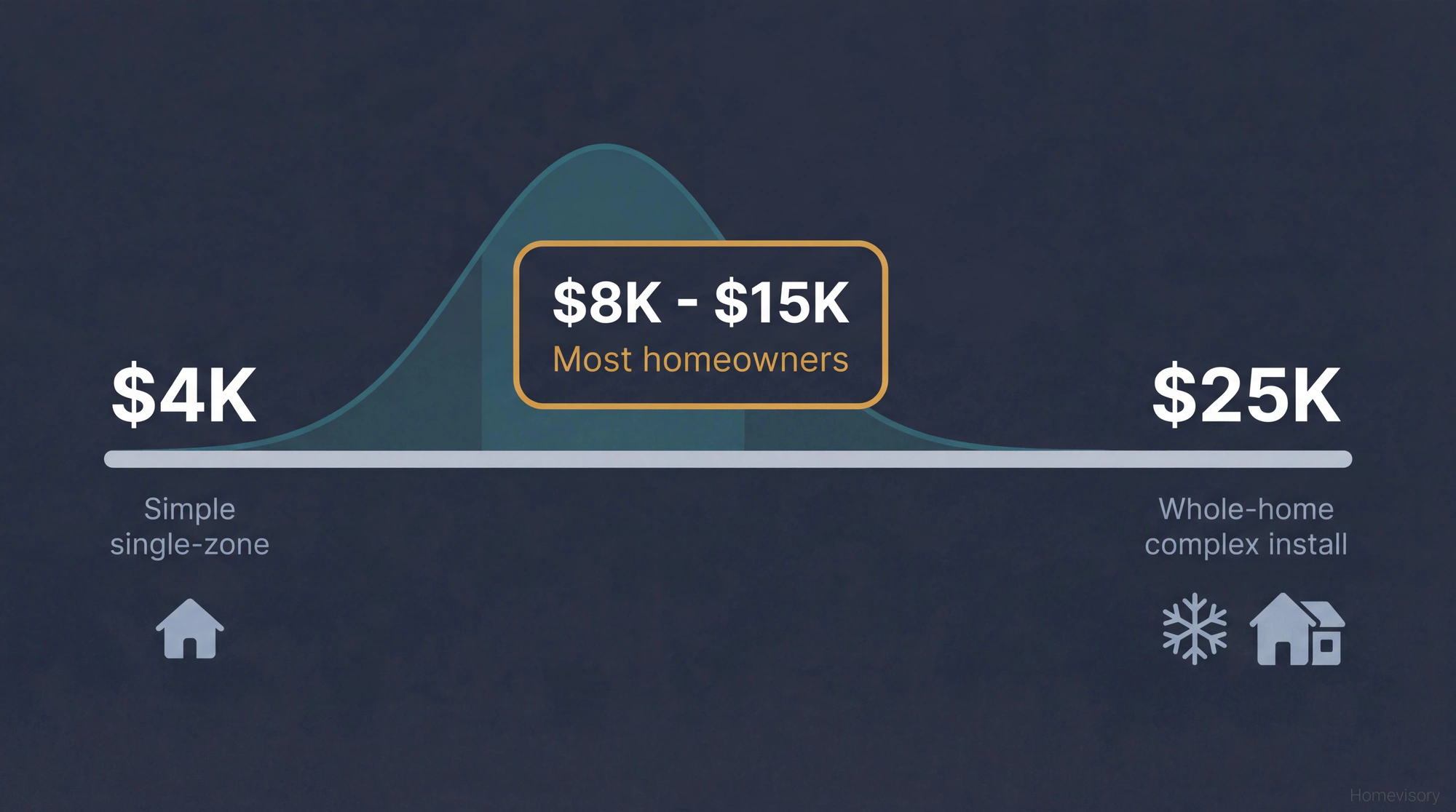
The number everyone wants is somewhere between $4,000 and $25,000. I know thats not helpful. I get asked about heat pump installation costs probably twice a week now and I always feel bad giving that answer because its such a wide range but the range is that wide because the variables are that different. A single-zone system in a mild climate with existing ductwork is a completely different project than a whole-home setup in Minnesota with no ducts. Different planet.
Most heat pump installations, if I had to give you a number, run $8,000 to $15,000. Thats equipment and labor for an average house. But average means nothing if your situation isnt average.
Heres where the money goes. Equipment is $3,000 to $12,000 depending on whether youre doing one room or the whole house and whether you want the nice stuff or the builder-grade stuff. Labor runs $2,000 to $8,000 and I’ve seen bigger swings than that depending on where you live and how complicated the install is. Then theres the stuff that surprises people. Electrical panel upgrades. Ductwork modifications. Permits. A new concrete pad. These “extras” add $500 to $5,000 easy.
Sizing and Load Calculations
This is the part where I get annoying. I know I get annoying about this. Raquel told me last week I was still talking about load calculations at eleven at night and she asked why I was still worked up about an article I was writing and I told her because people are getting ripped off and she said okay but maybe get worked up tomorrow because some of us have to sleep. So. I’m aware I care too much about this.
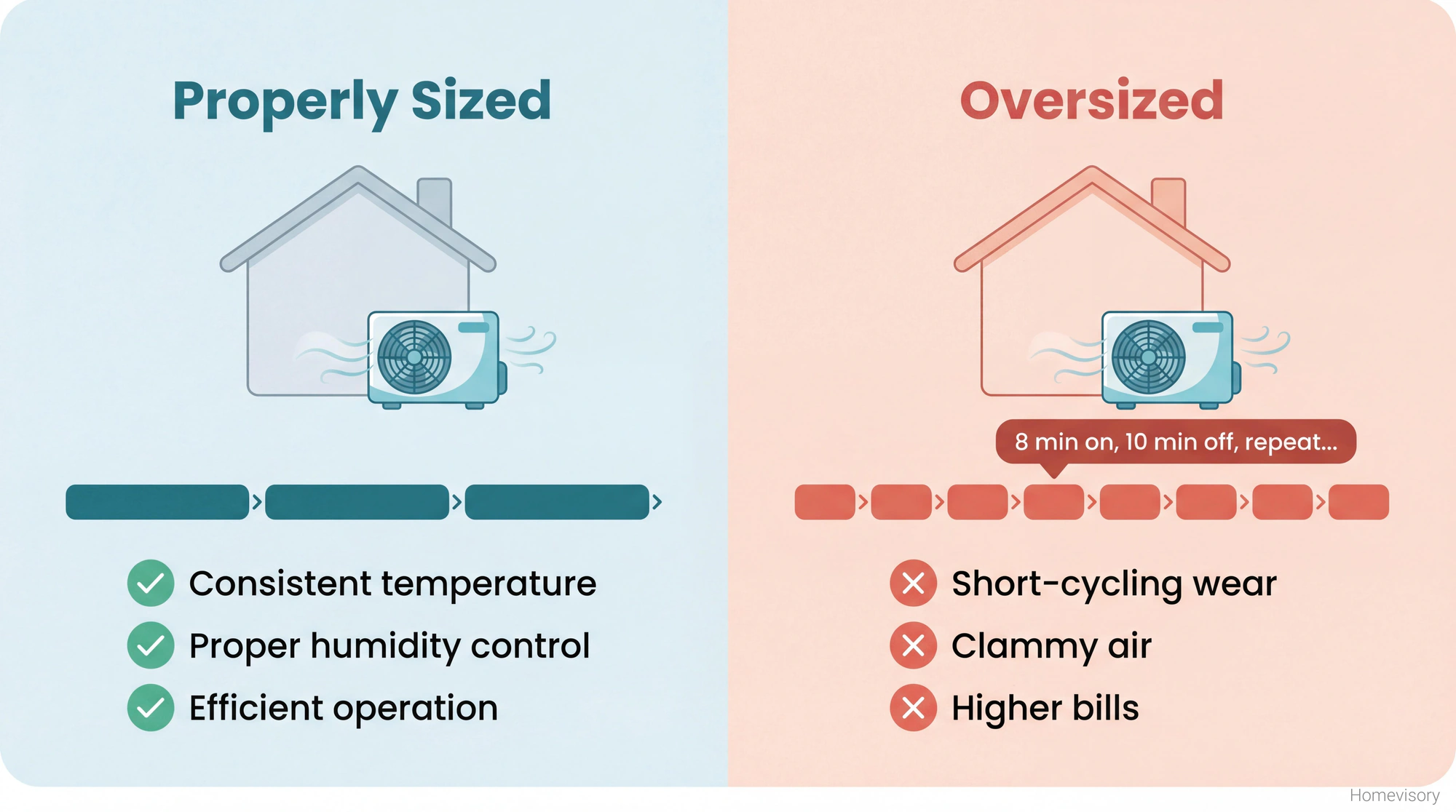
But an improperly sized system will cost you money every single month for fifteen years and most contractors dont want to spend the time doing it right. They walk through your house, they look at square footage, they look at what you had before, they add some buffer “just in case,” and they slap in something oversized. I have seen this so many times. An oversized heat pump short-cycles which means it turns on and off too frequently which means it wears out faster and never properly dehumidifies your house and you end up with a place that feels clammy even when the temperature is right and your electric bill is higher than it was with your old system because nobody did the math.
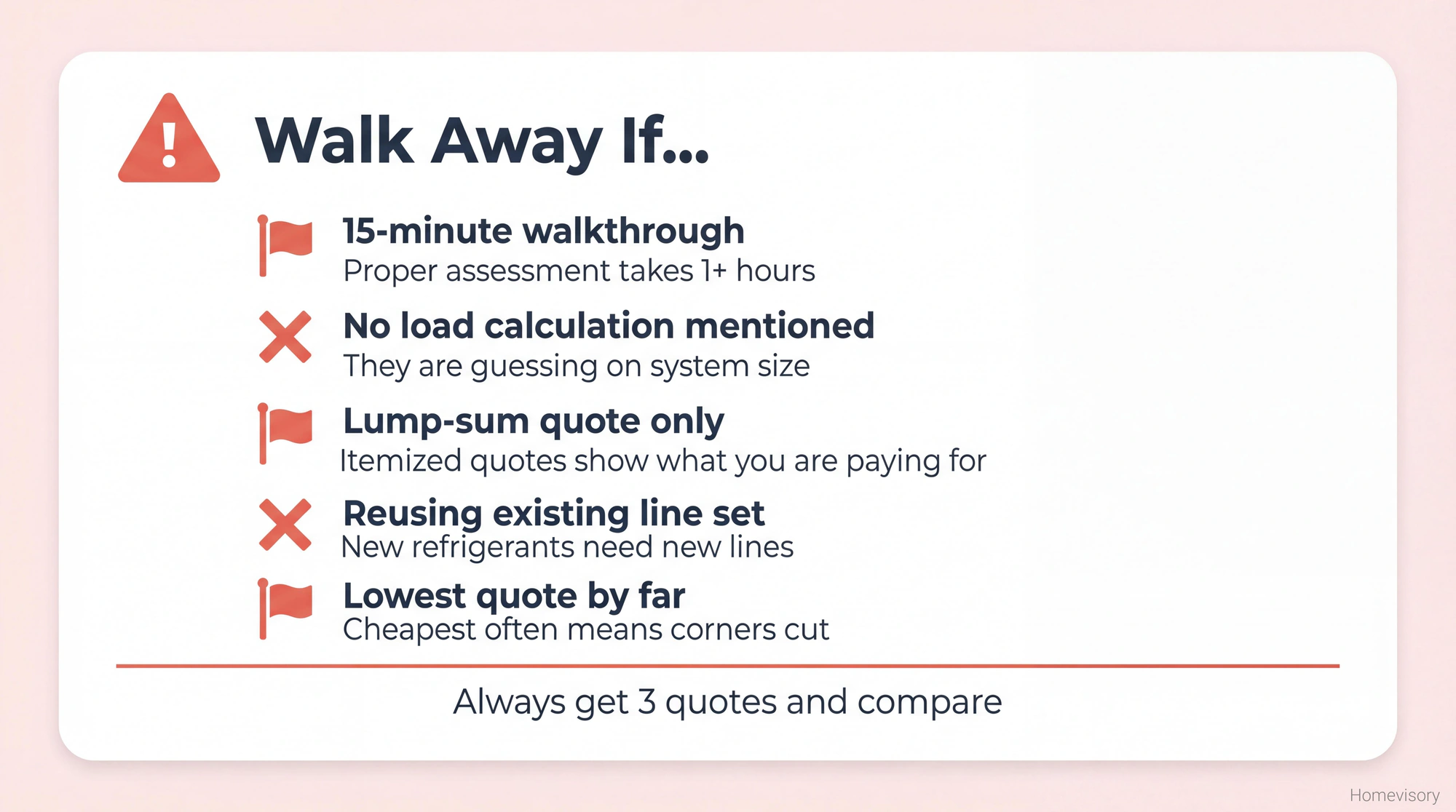
My dad Curtis worked at a factory in Atlanta for thirty-something years. He used to say something about measuring parts, I dont remember exactly how he said it, something like measure the part and then measure it again because a mistake costs ten times what the extra minute cost. He was talking about machining. But it applies to heat pumps more than almost anything else I can think of. A proper Manual J load calculation takes an hour or two. It considers your insulation, your windows, sun exposure, ceiling height, how many people live there, everything. If a contractor gives you a quote without setting foot in your house or without spending real time measuring, walk away. I mean it. Just walk away.
My dad worked in that factory his whole adult life basically. He retired and then he didnt know what to do with himself for about a year. I dont know. Anyway.
I had a neighbor here in Palm Beach, her name’s Carol, she got three quotes last year. $9,000 to $17,000. Same house. Same system size supposedly. The $17,000 quote wanted to replace ductwork she didnt need replaced. The $9,000 guy wanted to reuse her old line set which you shouldnt do with new refrigerant systems for reasons I wont get into. She went with the middle one.
Air Source vs. Electric: Clearing Up the Confusion
People ask about air source heat pump installation like its different from electric heat pump installation. Its the same thing. An air source heat pump IS electric. It uses electricity to move heat from outside air into your house in winter and out of your house in summer.
The confusion is from marketing and from people mixing up terms. All modern heat pumps are electric. “Air source” just means it pulls heat from outdoor air instead of from the ground.
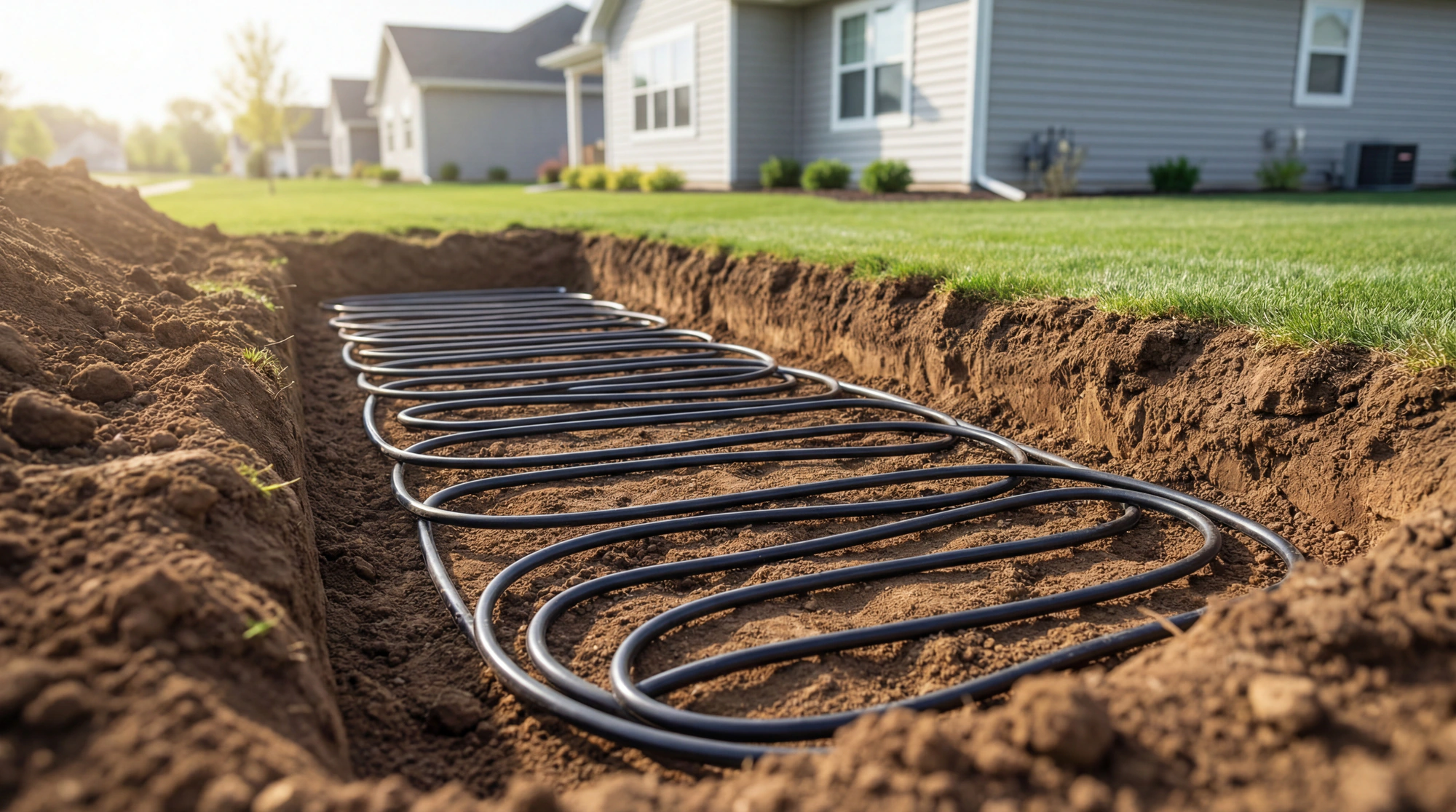
Ground-source systems are a different animal. Different price range, different contractors, different everything. Im not getting into that here. If you want geothermal check out our geothermal heat pump installation guide.
What Affects Your Price
Climate matters more than people think. I lived in Chicago for a while during my traveling years. Commercial renovation work. My eyelashes froze once walking from the truck to a job site and I remember thinking this is not weather, this is a punishment. Heat pump efficiency drops in extreme cold. If youre somewhere that gets real winters you need a system rated for low temperatures and those cost more. The DOE’s Cold Climate Heat Pump Challenge has pushed manufacturers to develop systems that perform well in extreme cold. A unit that works fine in Florida will struggle when its 10 degrees out.
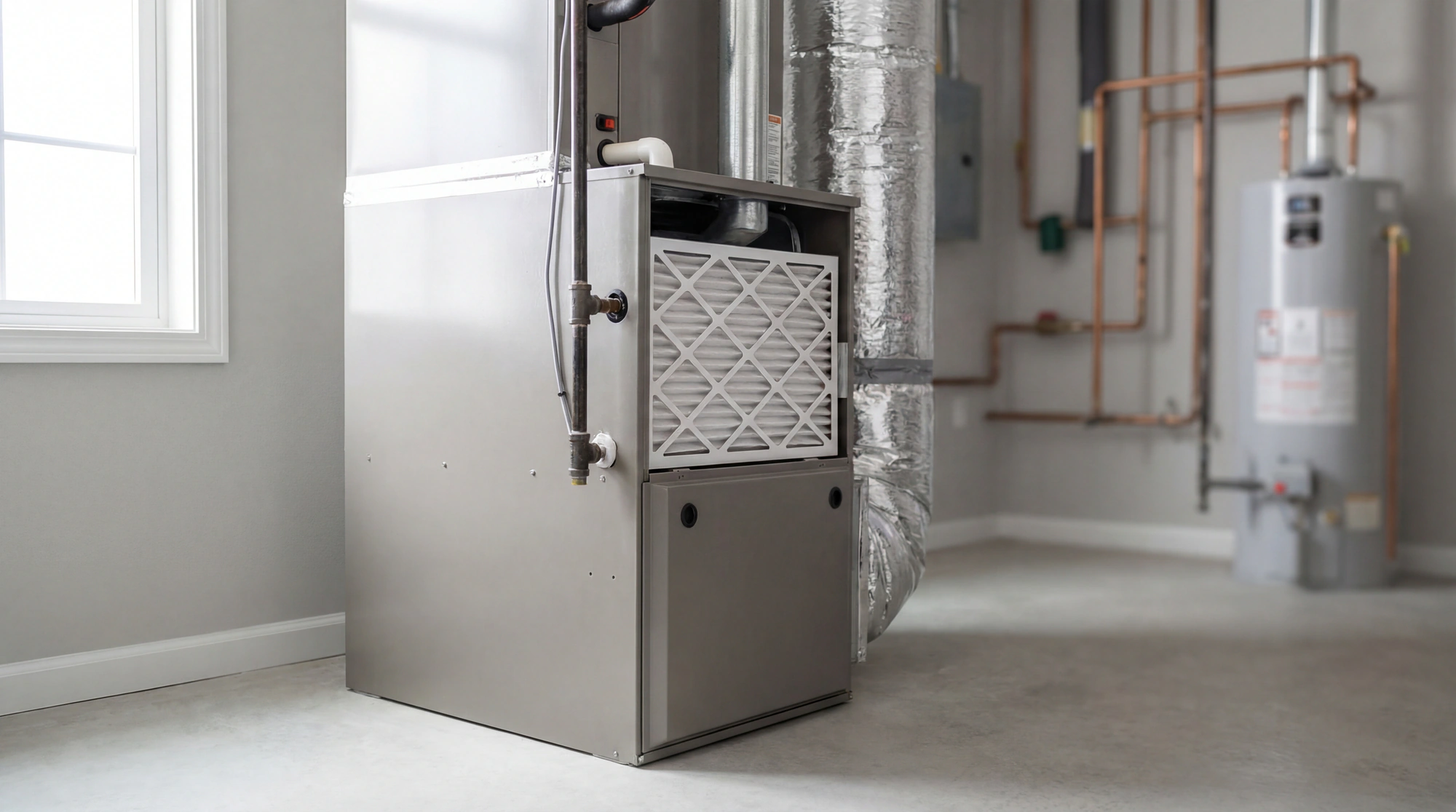
In the South you can usually get away with a heat pump as your only system. In the North you might need a hybrid setup with a backup furnace for the coldest days. Thats another $2,000-4,000.
Existing Infrastructure
Do you have ductwork. Is it in good shape. Is your electrical panel 200 amps or the old 100-amp setup.
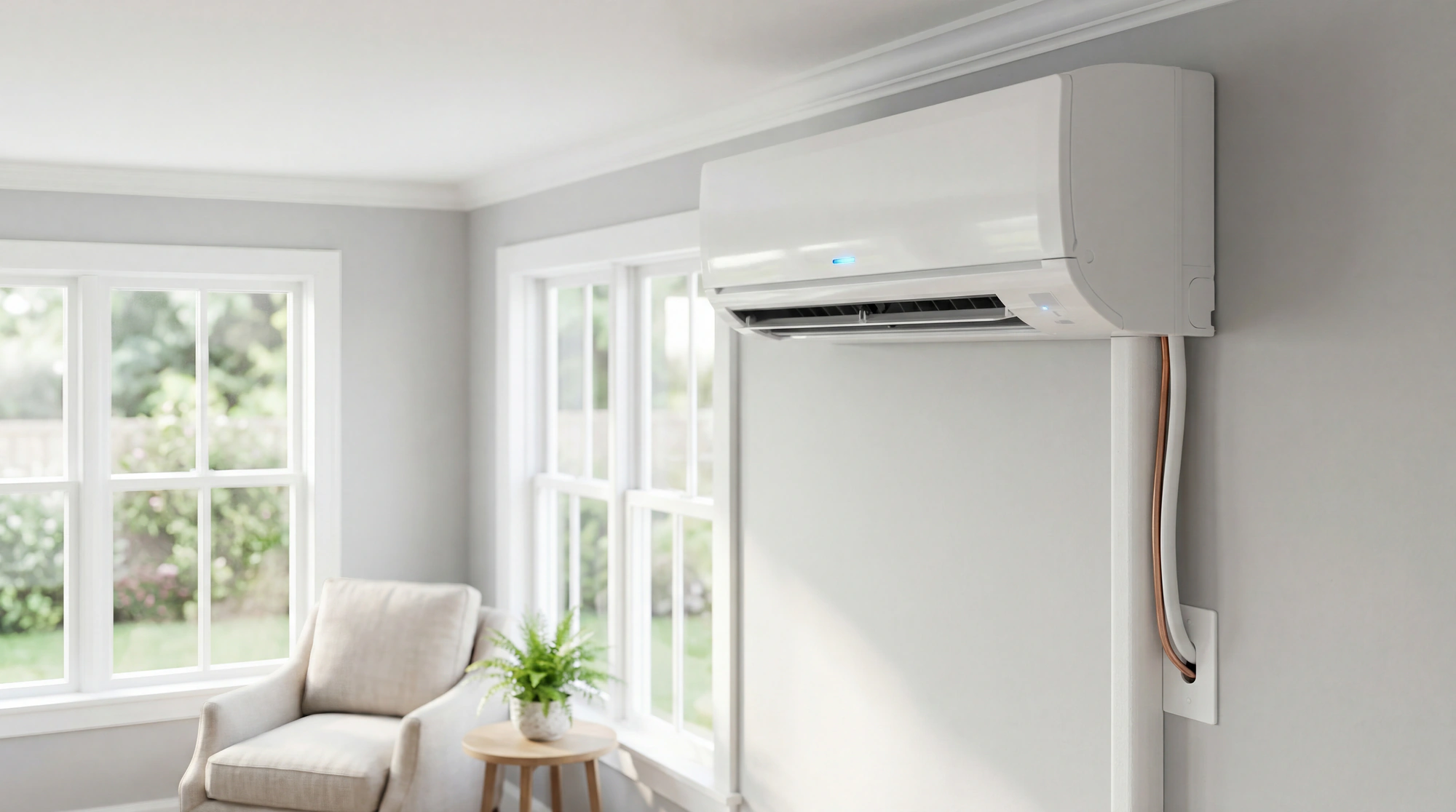
If youre replacing a central AC that already has ductwork, straightforward. If youre coming from baseboard heat or window units, youre either installing ductwork ($10,000-20,000 depending on your house) or going ductless which is $15,000-25,000 for a multi-zone system that covers everything. For the ductless option, our mini split installation guide covers what’s involved.
Electrical upgrades catch people. A whole-home heat pump needs a 200-amp panel. Older houses have 100-amp. Add $1,500-3,000 if you need that upgrade.
Brand and Efficiency
Whatever. Carrier, Trane, Lennox are solid. Mitsubishi and Daikin cost more but last longer and run quieter. Goodman and Rheem are cheaper. I’ve installed all of them.
Just dont buy the cheapest. Moving on.
Heat Pump Cost Calculator
Most online heat pump cost calculators are garbage because they cant see your house. But you can estimate yourself.
Start at $10,000 for average.
Small house under 1,500 square feet with existing ducts, subtract $2,000-3,000. Big house over 2,500 square feet, add $3,000-5,000. No ductwork and going ductless, add $4,000-8,000. Cold climate, add $1,500-2,500. Need an electrical panel upgrade, add $1,500-3,000. Want a premium brand, add $2,000-4,000.
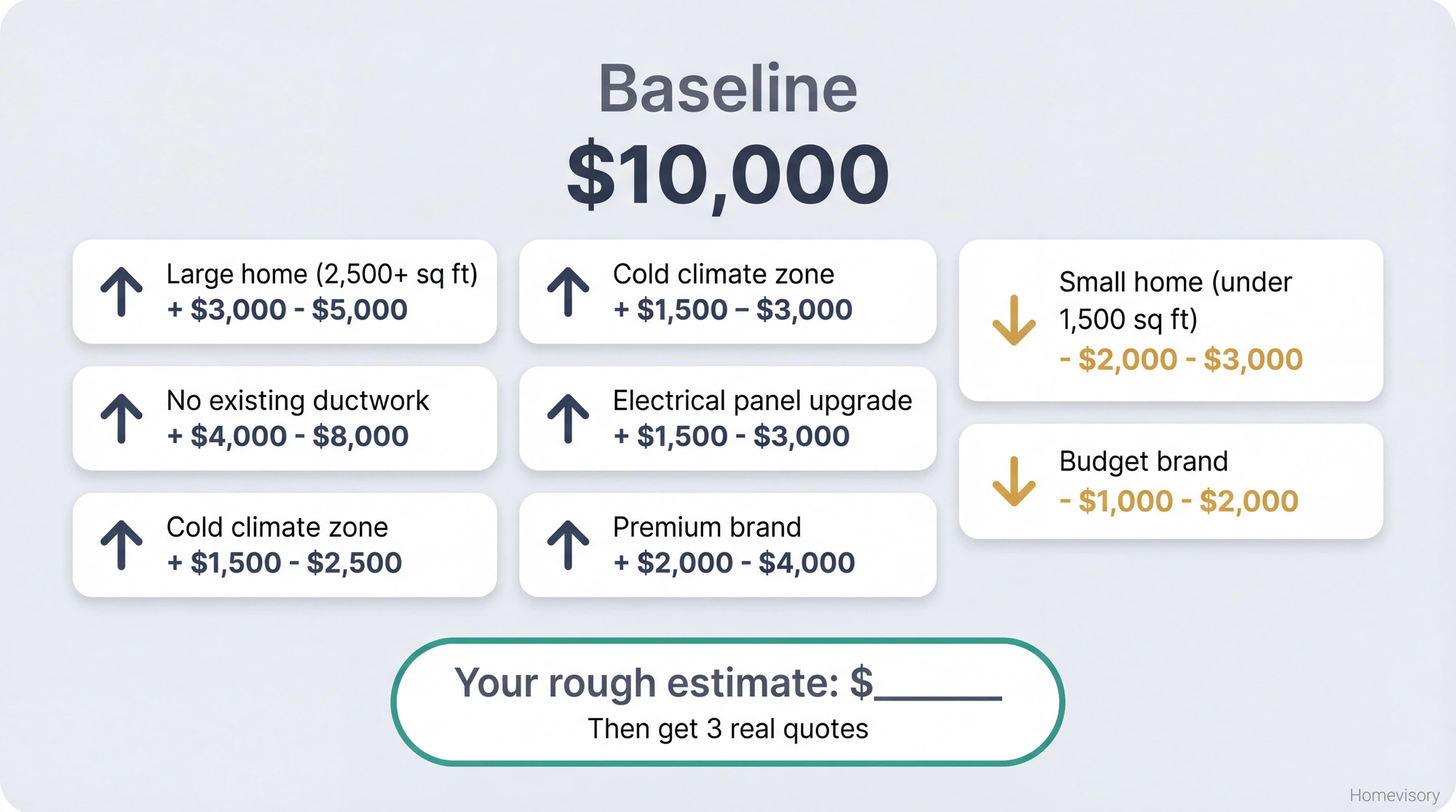
Get three real quotes and compare. The calculator just gets you in the ballpark so you know if someones trying to rip you off.
Rebates
Federal tax credit covers up to $2,000 for qualified heat pumps. According to the IRS Energy Efficient Home Improvement Credit, its 30% of costs but heat pumps have their own $2,000 cap. So on a $12,000 installation you get $2,000 back, not $3,600.
State and utility rebates stack on top. Florida has some. Texas has some. The Northeast has better ones. Some utilities give $500-2,000 depending on efficiency ratings. Check the ENERGY STAR rebate finder for programs in your area.
Just apply for them. The contractor usually handles utility rebates. The federal one is a line on your tax return. I’ve talked to so many people who say theyre “looking into” the rebates and then never submit the paperwork. It takes an hour. Stop overthinking it.
Getting Quotes: What to Watch For
Get three quotes minimum. When contractors come out, pay attention to whether they actually measure and spend time in your house. If someone walks through in fifteen minutes and emails you a quote, that quote is garbage. Ask specifically about load calculations. “How are you determining the right size for my house.” Its not a dumb question.
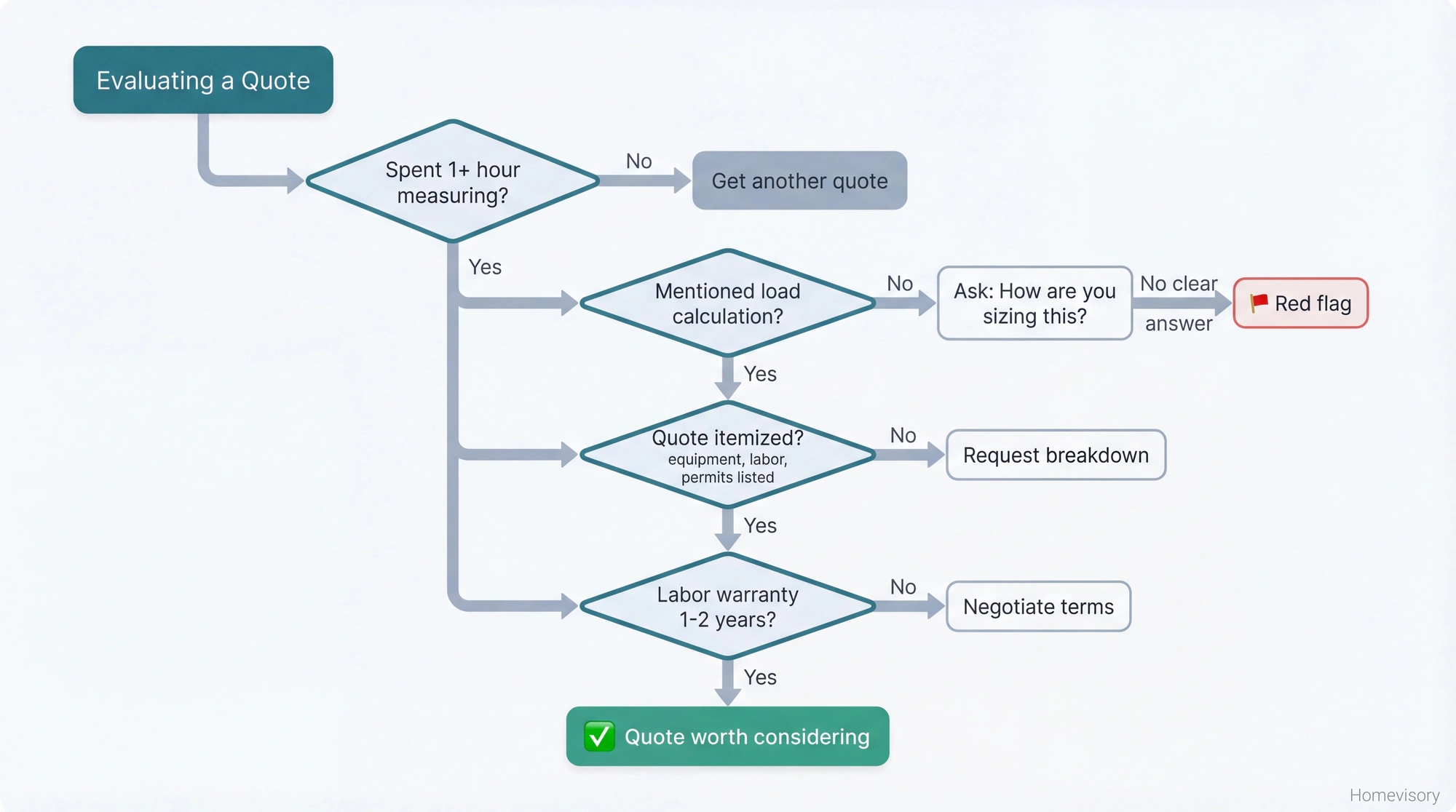
Make sure the quote is itemized. You should see equipment, labor, permits, and any additional work listed separately. A single lump-sum number hides things.
DIY Installation
No.
I fix houses, not Hondas, and I still hire a licensed HVAC tech for heat pumps. You need EPA Section 608 certification to handle refrigerant. Specialized tools. Permits and inspections. Manufacturer registration that usually requires a licensed installer.
You’ll void your warranty and possibly break federal law. Dont.
When to Install
Spring or fall. HVAC contractors are slammed in July when ACs die and December when furnaces quit. Shoulder seasons mean better scheduling, sometimes better prices, and nobody rushing.
If your current system still works, plan ahead. Dont wait until it dies during a heat wave and youre desperate.
Is It Worth It
Compared to replacing your AC with another AC and keeping your gas furnace. Usually yes. A heat pump replaces two systems with one. Operating costs are lower. You eliminate gas line risks.
Payback is usually 5-10 years depending on local gas and electric prices. After that youre saving $500-1,500 a year.
But if your AC is five years old and working fine theres no reason to rush. Wait until its replacement time anyway.
Heat pump installation is one of those things where the upfront decisions matter more than anything. Get the sizing right. Hire someone who does actual calculations. I keep coming back to this because its the thing that separates a system that works for fifteen years from one that makes you miserable for fifteen years. Thats what we do at Homevisory. Help you figure out when to do what and who to trust to do it.
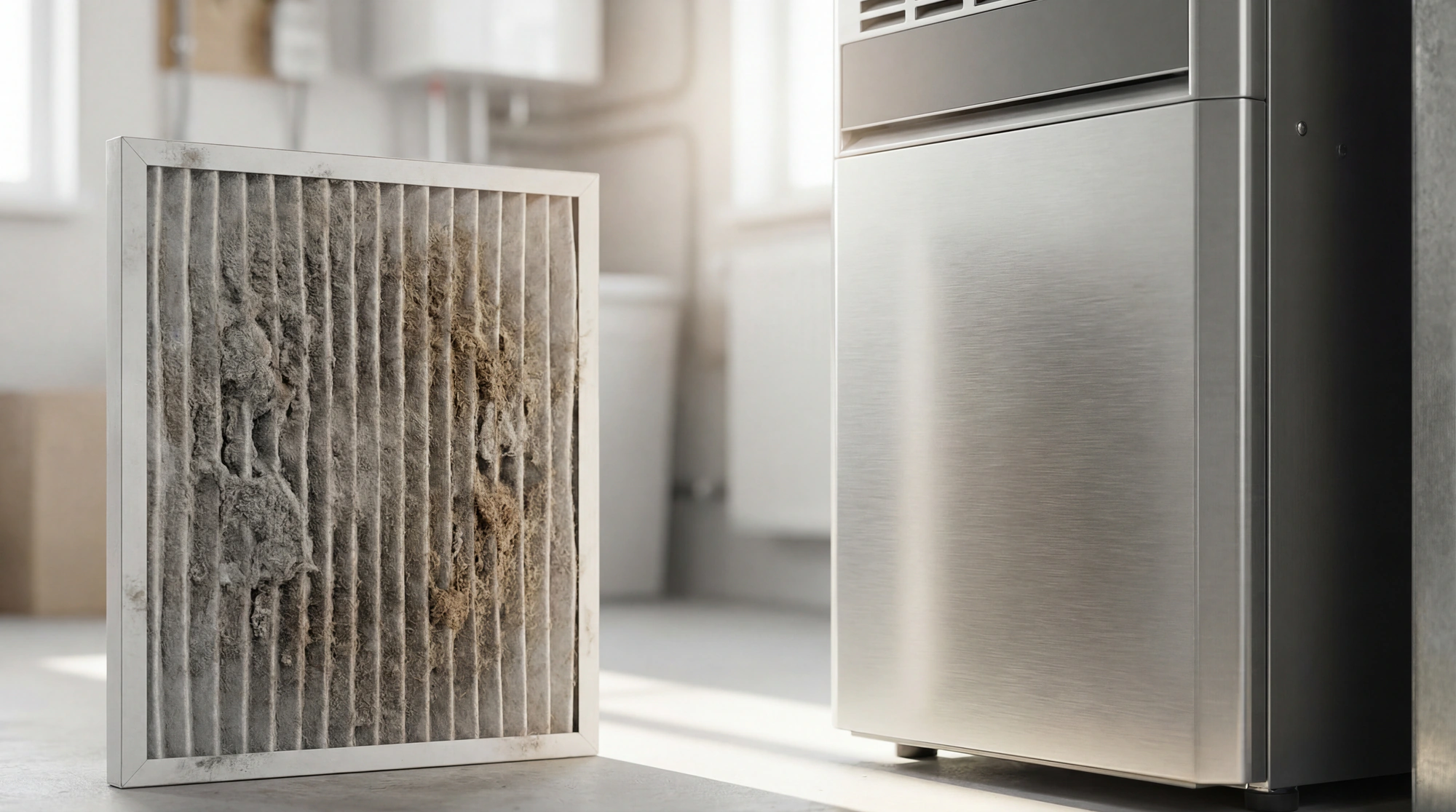
The Homevisory task manager keeps track of when your HVAC needs maintenance, when filters need changing, when its time to start thinking about replacement. Free to sign up. You’ll stop forgetting the stuff that costs you money when you forget it.