The Question Everyone Asks Eventually
Why is my electric bill so high. Thats the question I get more than almost any other, and the answer is almost never one thing. Its usually three or four things that add up, and most people only notice when the bill crosses some threshold that makes them actually look at it.
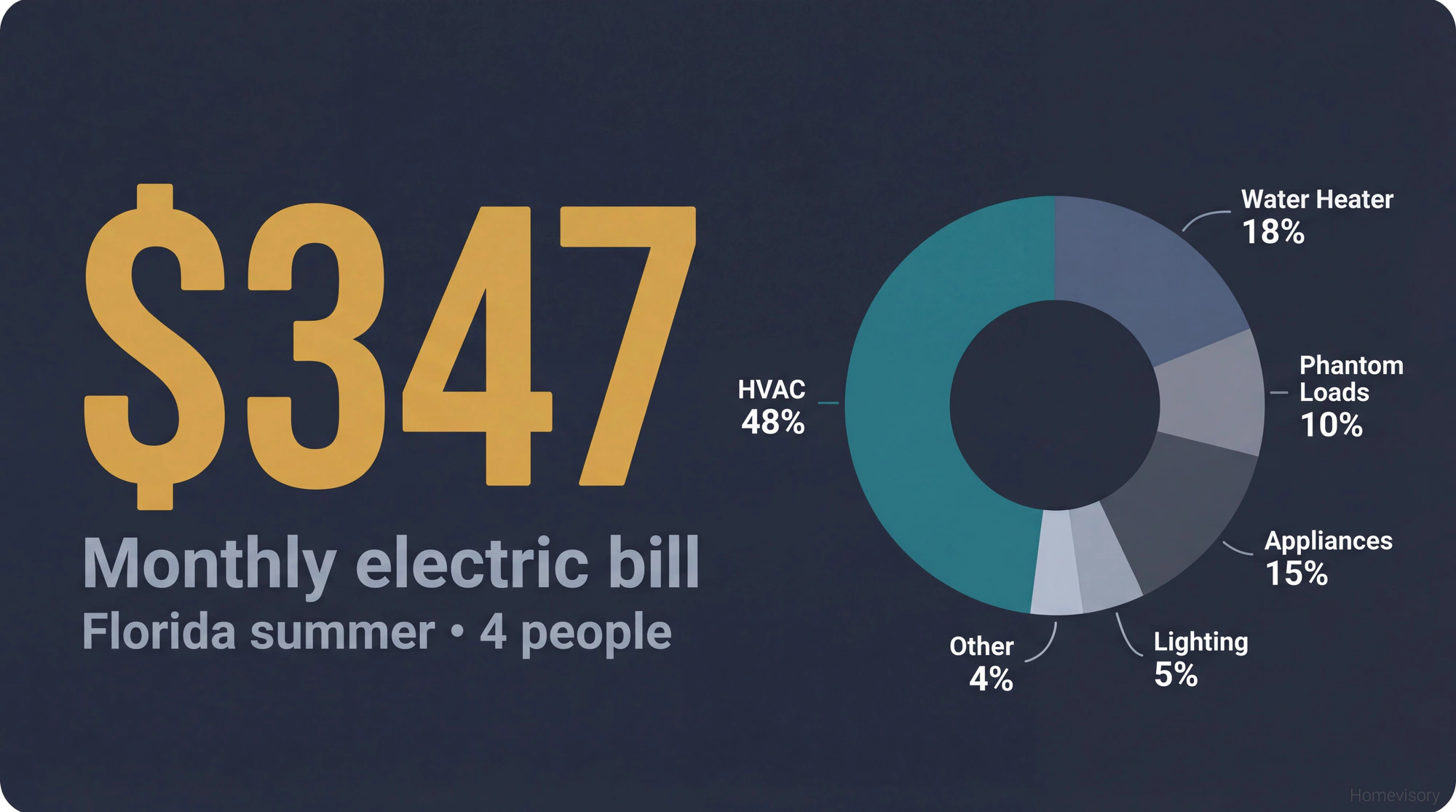
I looked at mine last month. $347 in a Florida summer with four people in the house and two dogs who dont contribute anything financially. That seemed high. So I did what I do, which is obsess over it until I figure out whats going on.
Heres what I found.
The Obvious Stuff You’re Probably Ignoring
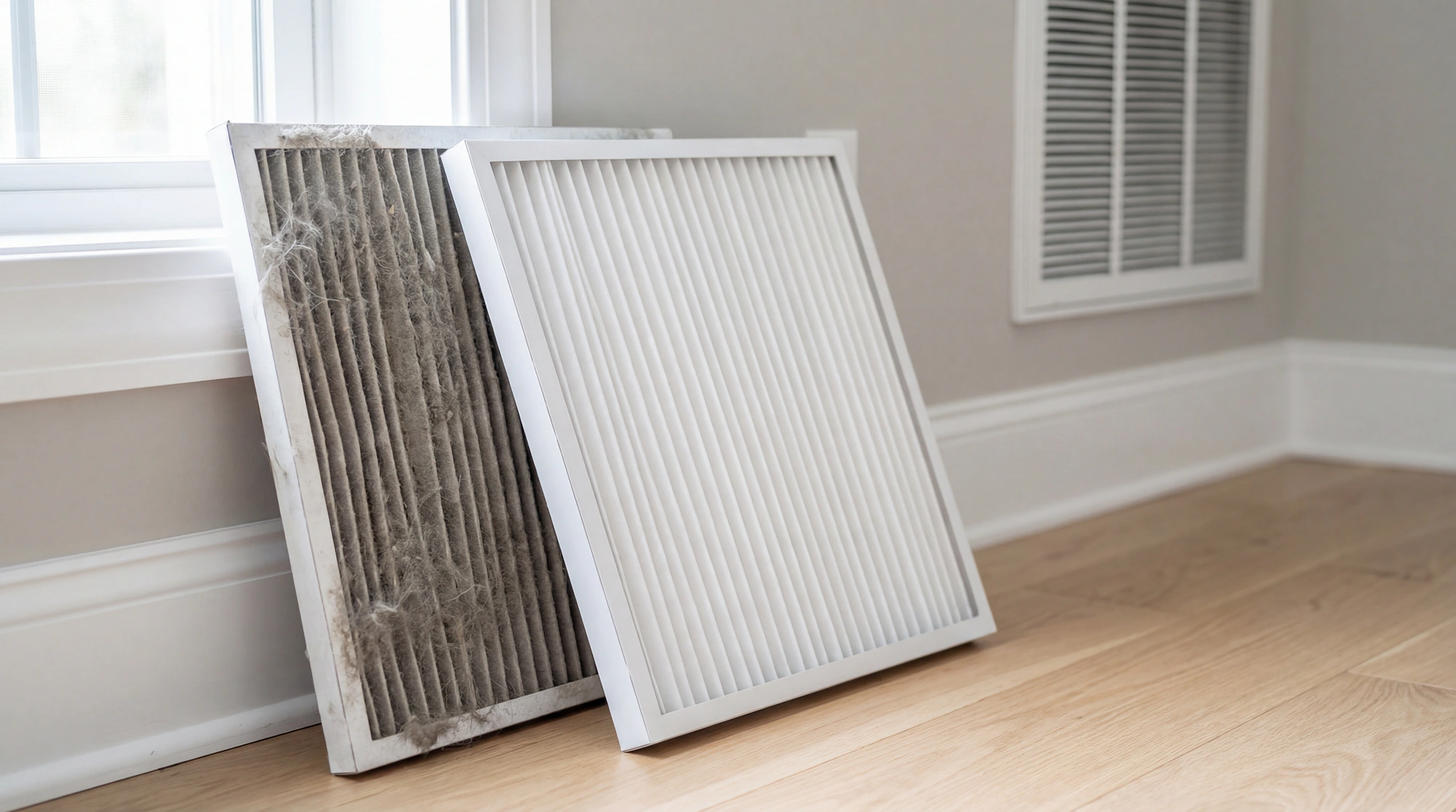
Your HVAC system. I’m going to sound like a broken record but I dont care. If youre asking why is my electric bill so high and you havent changed your air filter in three months, you already have your answer.
The filter is the first thing. Always. In Florida, in the summer, with the humidity we deal with, I change mine every 30 days. Not every 90 days like the package says. Every 30. The difference on my bill between a clean filter and a dirty one is somewhere between $20-40 per month depending on how bad it gets. Thats real money.
When the filter is clogged, your system works harder. When your system works harder, it runs longer. When it runs longer, your bill goes up. This isnt complicated.
The second thing is your thermostat setting. Every degree lower costs you more. I keep mine at 76 during the day when we’re home and 78 at night. Raquel thinks 78 at night is too warm. We compromise at 77. Marriage.
But the HVAC thing goes deeper than just filters and thermostats. When was the last time someone looked at your ductwork. If you have a house built before 2000, theres a decent chance your ducts are leaking conditioned air into your attic or crawlspace. Youre paying to cool spaces nobody lives in. I had a customer in Texas, back when I was doing renovations, who couldnt figure out why his bills were through the roof. Turned out his flex duct had come loose from a register boot in the attic and he was basically air conditioning the sky.
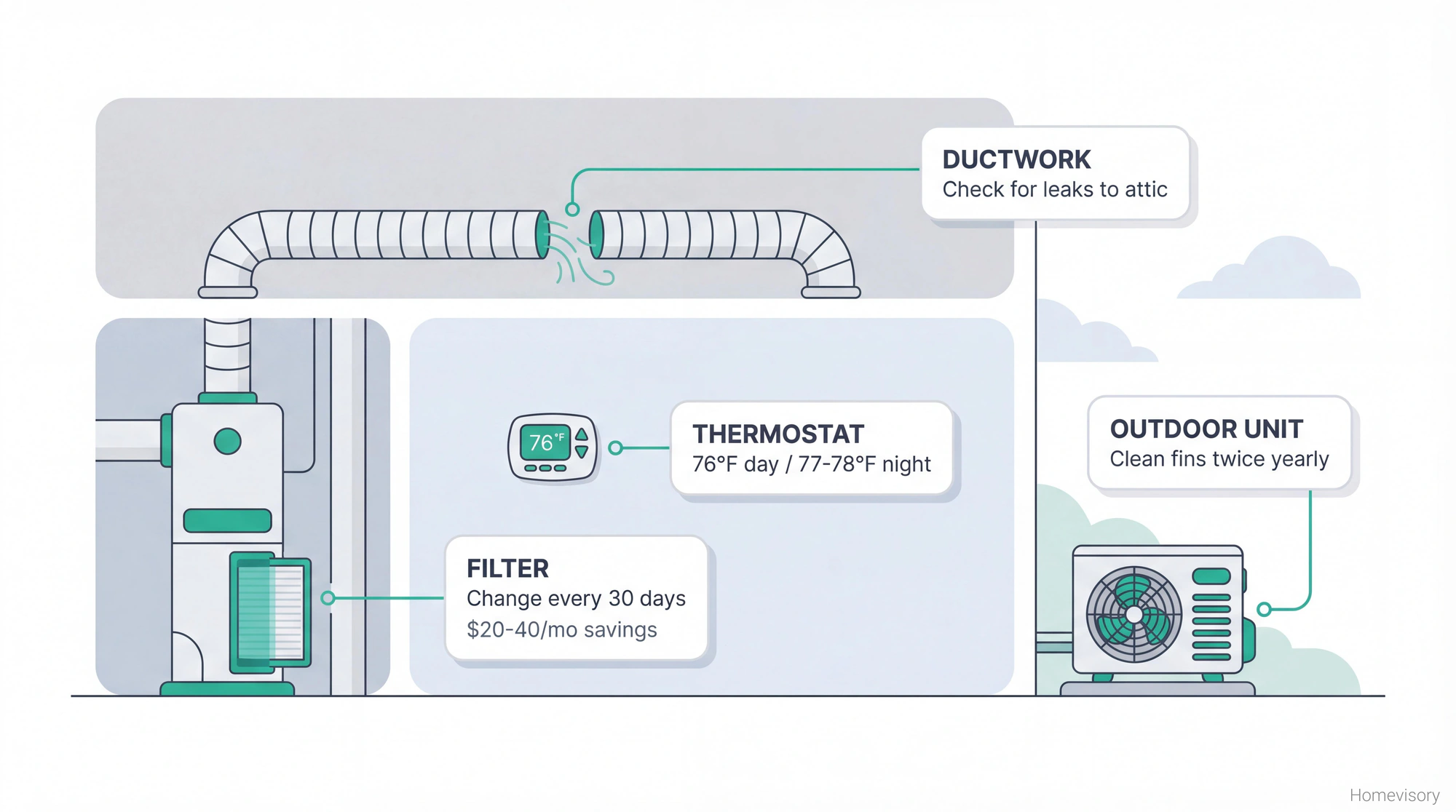
Check your outdoor unit too. If its covered in debris or the fins are all bent up, its not exchanging heat efficiently. I clean mine with a garden hose twice a year. Takes ten minutes.
The Stuff Nobody Thinks About
This is where I probably care too much but I dont apologize for it.
Phantom loads. Standby power. Vampire draw. Whatever you want to call it. The electricity that devices use when theyre “off” but still plugged in.
Your TV uses electricity when its off. Your cable box uses electricity when its off. Your phone charger uses electricity when nothings even plugged into it. Your microwave, your coffee maker, your computer monitor, your gaming console, all of it. Individually, each one is small, maybe a few watts. But add them up across a whole house and its not nothing.
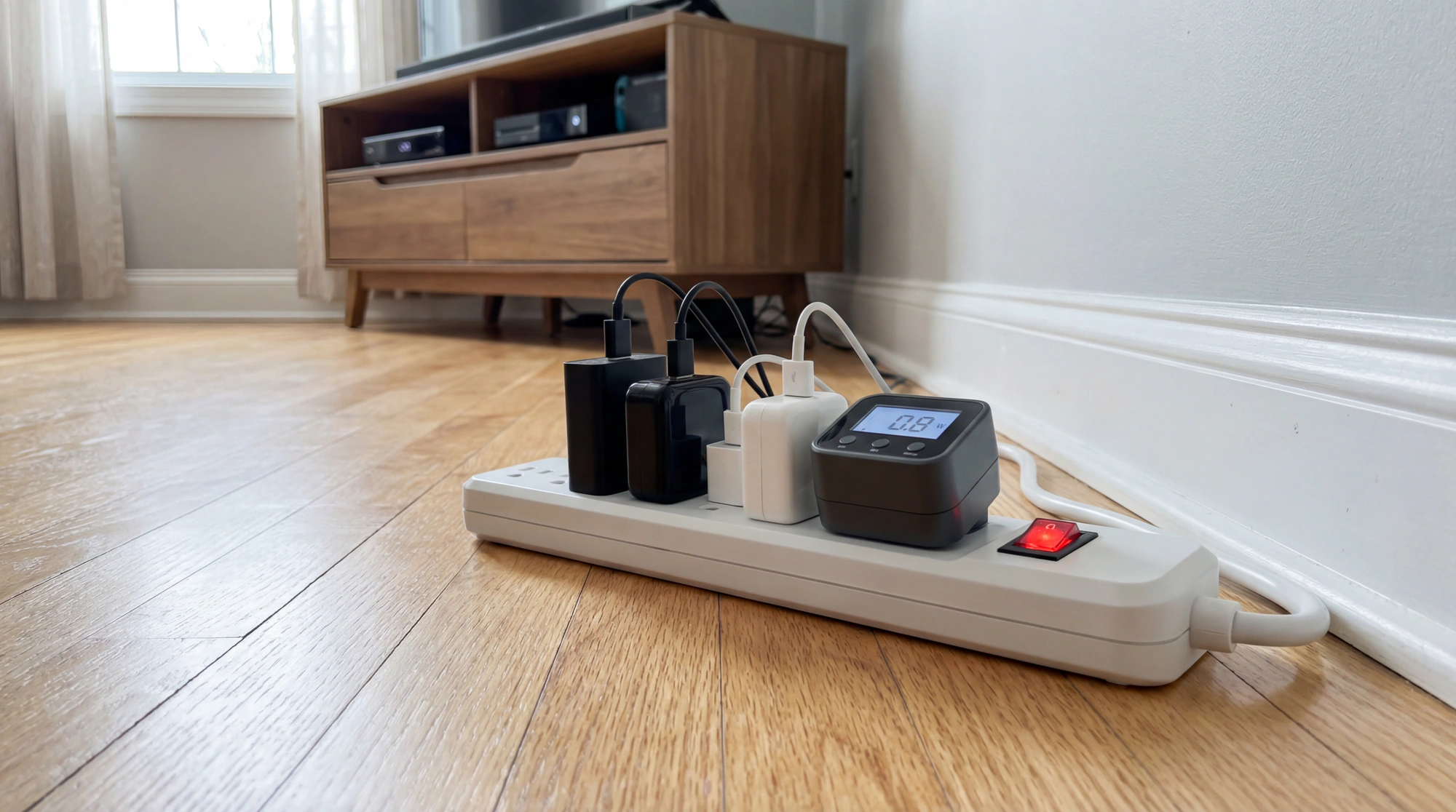
I went through my own house about two years ago with a kill-a-watt meter, which is this little device you plug into the outlet and then plug your appliance into it, and it tells you exactly how much power its drawing. My entertainment center, when everything was “off,” was pulling 47 watts. Thats about 34 kilowatt hours per month just sitting there doing nothing. At Florida rates thats four or five dollars a month for one cluster of devices. My office was worse because I had an old desktop computer, a monitor, a printer, a router, a modem, and some other stuff I dont even remember, and all of it was drawing power constantly because I never turned any of it off at the power strip. I was paying probably eight or nine dollars a month to keep equipment warm that I only used a few hours a day. Multiply that across the whole house, the garage, the kitchen, everywhere, and I was looking at thirty to forty dollars a month in phantom load. Real money. Money I was just giving away for no reason.
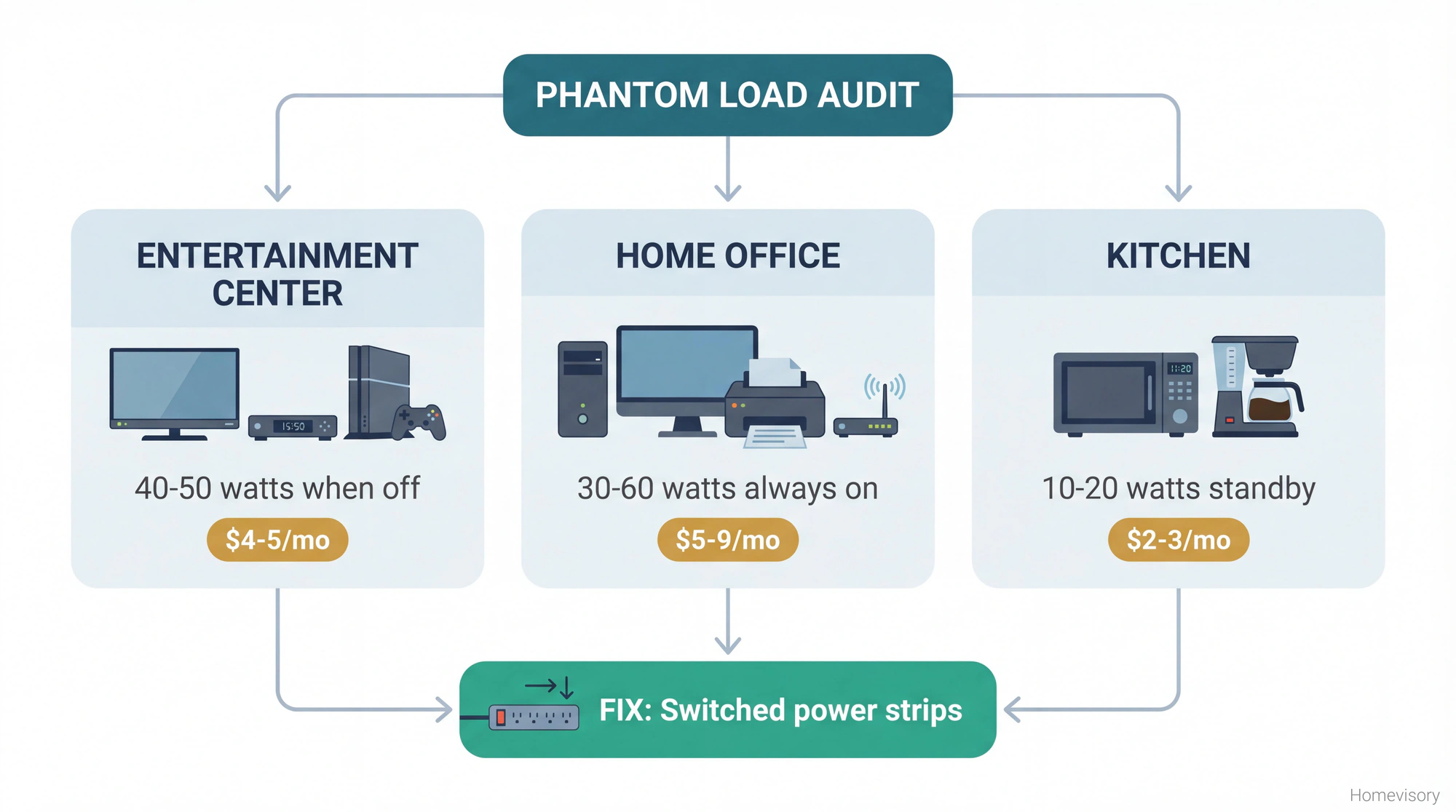
The fix is simple. Power strips with switches. Or smart power strips that cut power to peripherals when the main device is off. Or just unplug stuff. I dont unplug my refrigerator obviously but I unplug my coffee maker after the morning pot and I put my entertainment center on a strip that I flip off when were not watching anything.
Your Water Heater
This one surprises people. If you have an electric water heater, its probably your second biggest electricity user after HVAC. Mine accounts for about 18% of my total usage according to the sense monitor I installed.
Whatever. Check your water heater.
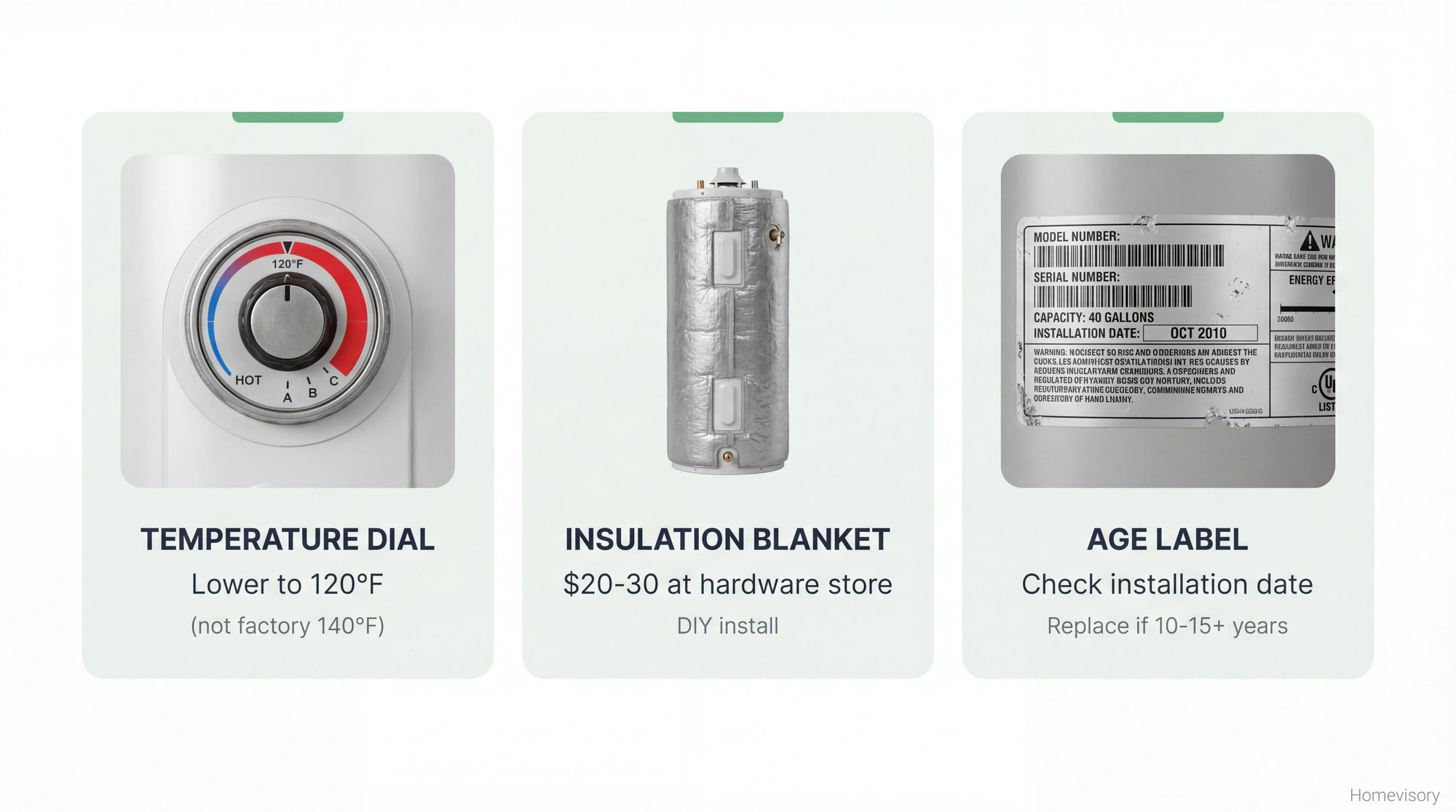
Is the temperature set too high. Factory default on most units is 140 degrees. You dont need 140. You need 120. Every 10 degrees you lower it saves you 3-5% on water heating costs. Its a dial on the side of the tank. Takes 30 seconds.
Is it insulated. Older tanks lose heat through the walls. You can buy an insulation blanket at any hardware store for $20-30 and wrap the tank yourself. Pays for itself in a few months.
Is it old. Water heaters last 10-15 years. After that theyre inefficient even if they still technically work. If yours is old and youre asking why is my electric bill so high, theres a decent chance the water heater is contributing more than it should.
The Things Your Family Does
I have four kids. Well, three are technically adults now, but Janelle and Peach still live at home part of the year and when theyre here my electric bill goes up. Not because of anything broken. Because of behavior.
Janelle specifically. That girl will leave every light on in the house and then go sit outside by the pool. Every room she passes through, the light stays on behind her. I have mentioned this to her approximately one thousand times. I have shown her the electric bill. I have explained kilowatt hours. She does not care. She says she “forgets.” She forgets every single time she walks through a room.
Teenagers.
The behavioral stuff matters though. Long showers. Running the dishwasher half full. Opening the refrigerator and standing there looking at everything for two minutes while all the cold air falls out. Doing laundry in small loads instead of waiting for full loads. Running the dryer twice because nobody bothered to clean the lint trap.
My dad used to say the machine that runs the longest costs the most. He was talking about something else, something at the factory where he worked, but it applies here. If you want your bill lower, run things less and run them smarter.
Old Appliances and Efficiency Ratings
Your refrigerator from 2003 uses more electricity than a new one would. Same with your washer, your dryer, your dishwasher. The efficiency gains over the past 20 years are significant.
Im not saying run out and buy all new appliances. Im saying if youre wondering why is my electric bill so high and you have a refrigerator thats old enough to vote, theres your answer. Or part of it anyway.
The fridge specifically matters because it runs 24 hours a day. A newer Energy Star model might use 400-500 kWh per year. An older model might use 700-800. Thats a real difference over time.
Also check the seals on your fridge and freezer doors. Close the door on a dollar bill. If you can pull it out easily, the seal isnt sealing and youre losing cold air constantly.
Lighting
This is the one everybody talks about so I’ll keep it brief.
If you still have incandescent bulbs, why. LED bulbs use 75% less energy and last years longer. Yes they cost more upfront. They save more over time. The math isnt even close.
I switched my whole house over probably eight years ago. Even back then when LEDs were more expensive it paid for itself in under a year.
Things Im Not Getting Into
Solar panels. Thats a whole separate conversation and its not for everyone depending on where you live, how your roof is oriented, what your utility rates are, what incentives exist in your area. I’m not getting into that here.
Major electrical issues like faulty wiring or a meter thats broken. If youve checked everything I mentioned and your bill still seems crazy, call an electrician. Have them check for problems you cant see. Sometimes theres a short somewhere drawing power. Sometimes the meter itself is malfunctioning. I cant diagnose that from an article.
Moving on.
What To Do Right Now
Start with the filter. I know I keep saying it. Change your HVAC filter. Today.
Then walk through your house with a critical eye. How many things are plugged in that dont need to be. How many power strips could you add. Whats your water heater set to. When did you last clean your dryer vent.
My dad used to talk about the electric bill when I was a kid, back in Atlanta, how he watched it like a hawk because money was tight and every dollar mattered. He had this way of knowing exactly what everything cost to run. I dont know how he calculated it, this was before smart meters or any of that, he just knew. And he’d tell us to turn off the lights when we left a room, which seemed annoying when I was twelve but now I understand. The small stuff adds up. Thats what he was trying to teach us. But yeah.
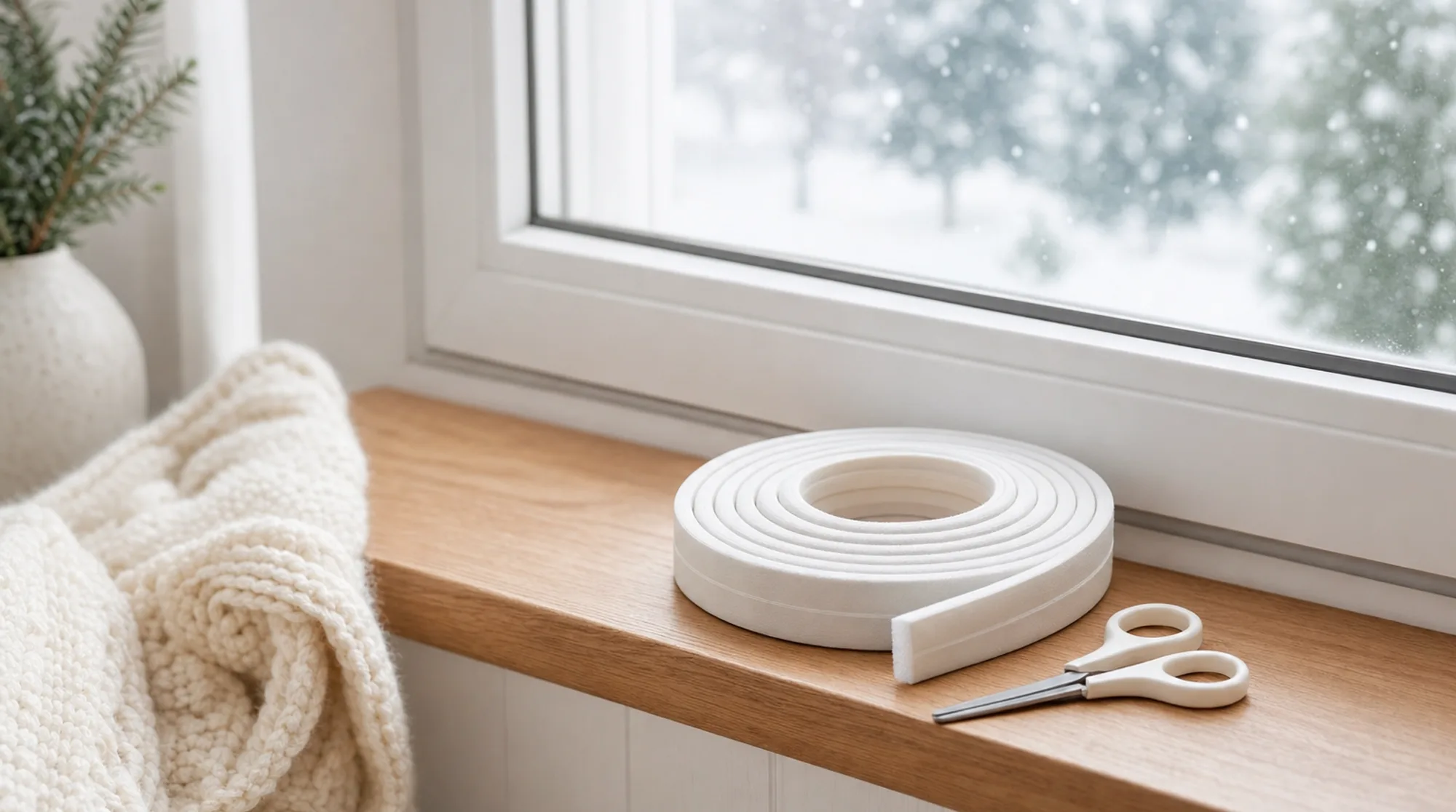
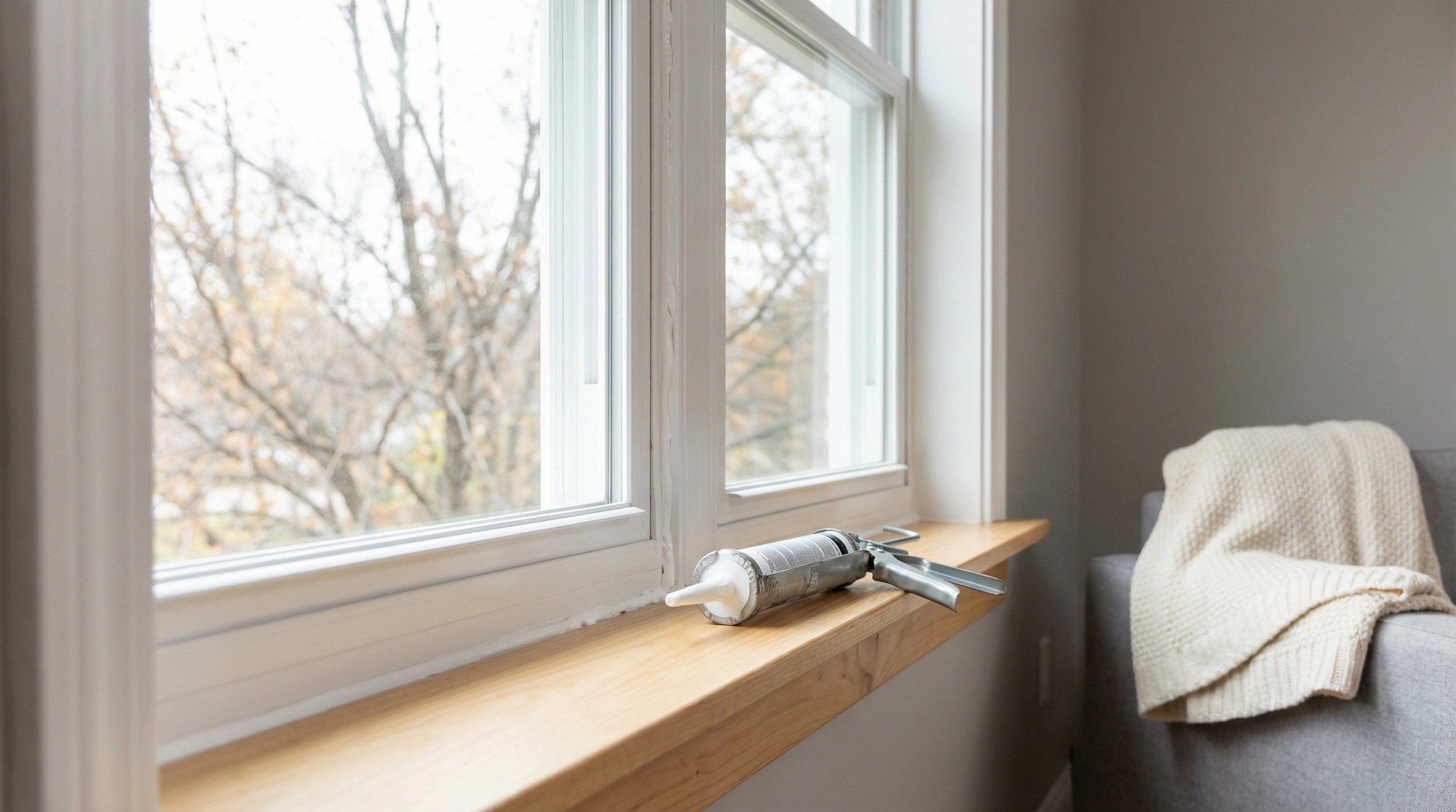
Two more things worth checking: your window insulation and your attic insulation. Drafty windows and under-insulated attics force your HVAC to work harder year-round. Fixing both costs under $200 in most homes and the savings show up on your very next bill.
If youre asking why is my electric bill so high, the answer is almost never one dramatic thing. Its a bunch of small things you stopped noticing. Start noticing again. Check the obvious stuff first. Then work your way down to the less obvious stuff.
Homevisory has a maintenance tracker that can help you stay on top of this, reminders for filter changes, seasonal check-ups, all of it scheduled out so you dont have to remember. Its free to use and its what we built the whole platform around. Because preventive maintenance isnt just about keeping things from breaking. Its about keeping your costs where they should be.
Thats what we do here at Homevisory home task manager.