Concrete Lasts Forever — Until It Doesn’t
People assume concrete is indestructible. It isnt. Its porous, it absorbs water, and in climates with freeze-thaw cycles that water expands and contracts inside the slab thousands of times over the years. Add road salt, tree roots, poor drainage, and sun exposure and you start to understand why driveways and patios that looked perfect ten years ago are now cracked, stained, and spalling.
The good news is that concrete maintenance is straightforward. Clean it, fix cracks early, seal it, and most concrete surfaces will last decades longer than if you just ignore them. I’ve seen driveways that were properly maintained at 30 years outlast neglected ones at 15.
This guide covers everything you need to know about taking care of concrete around your home. Whether youre dealing with a stained driveway, a cracked patio, or a foundation concern, I’ll point you to the right guide for your situation.
Start With Cleaning
Before you repair or seal anything, you need to start with a clean surface. Sealers wont bond to dirty concrete. Crack filler wont adhere over moss and grime. And you cant accurately assess the condition of the concrete when its covered in a decade of dirt, algae, and oil stains.
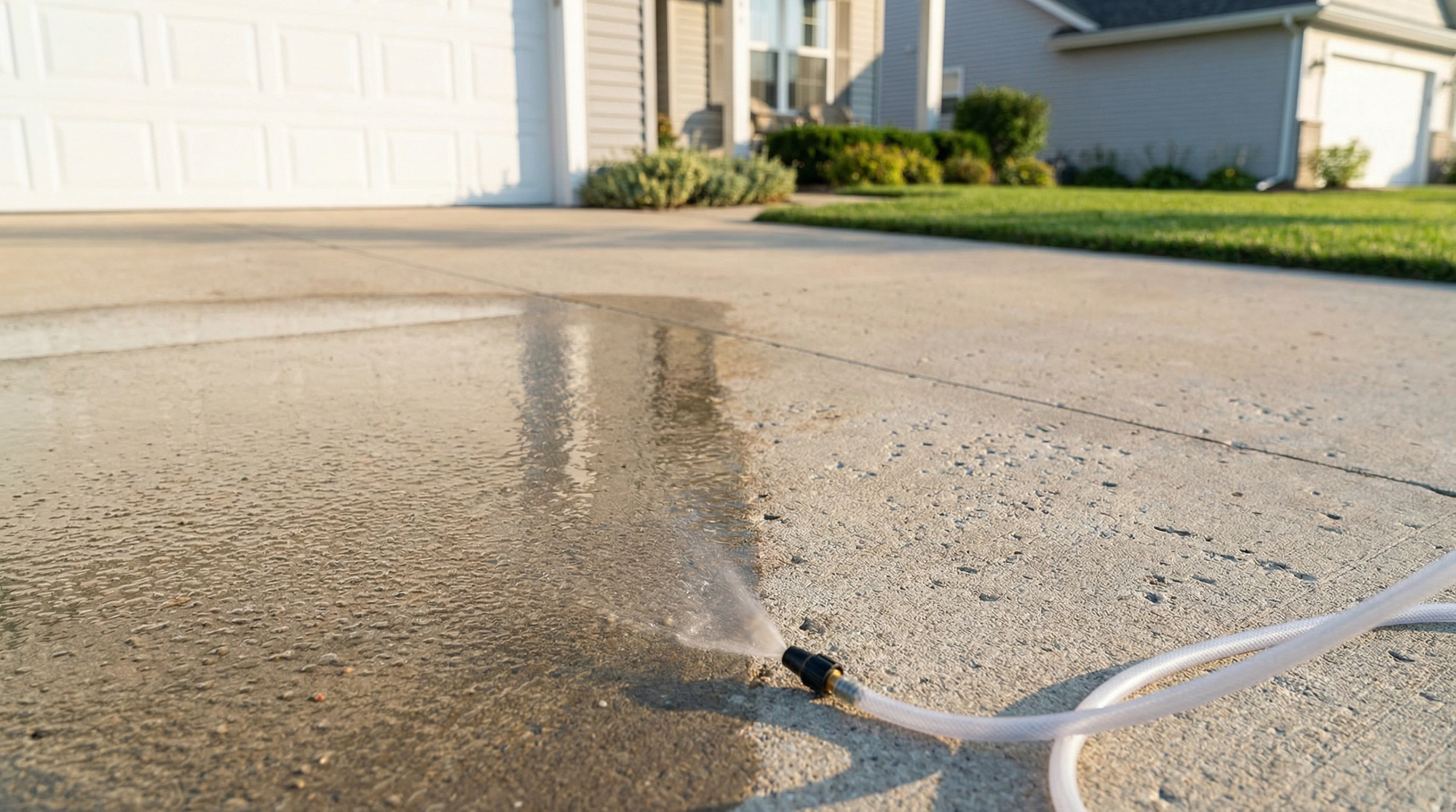
The right cleaning approach depends on what youre dealing with. General grime and algae come off with a pressure washer at the right PSI. Oil stains need a different approach entirely — absorbents first, then degreasers, then pressure washing. Using the wrong PSI or holding the nozzle too close can actually damage the concrete surface permanently.
Our concrete cleaning guide covers proper pressure washer settings for driveways, patios, and garage floors, plus the techniques that work without causing damage.
For oil stains specifically, theres a whole science to getting them out depending on whether theyre fresh or set in. Fresh stains are easy if you act fast. Old stains require a poultice method or commercial degreasers. Our oil stain removal guide walks through every method from cat litter on a fresh spill to microbial cleaners for the really stubborn ones.
Fix Cracks Before They Spread
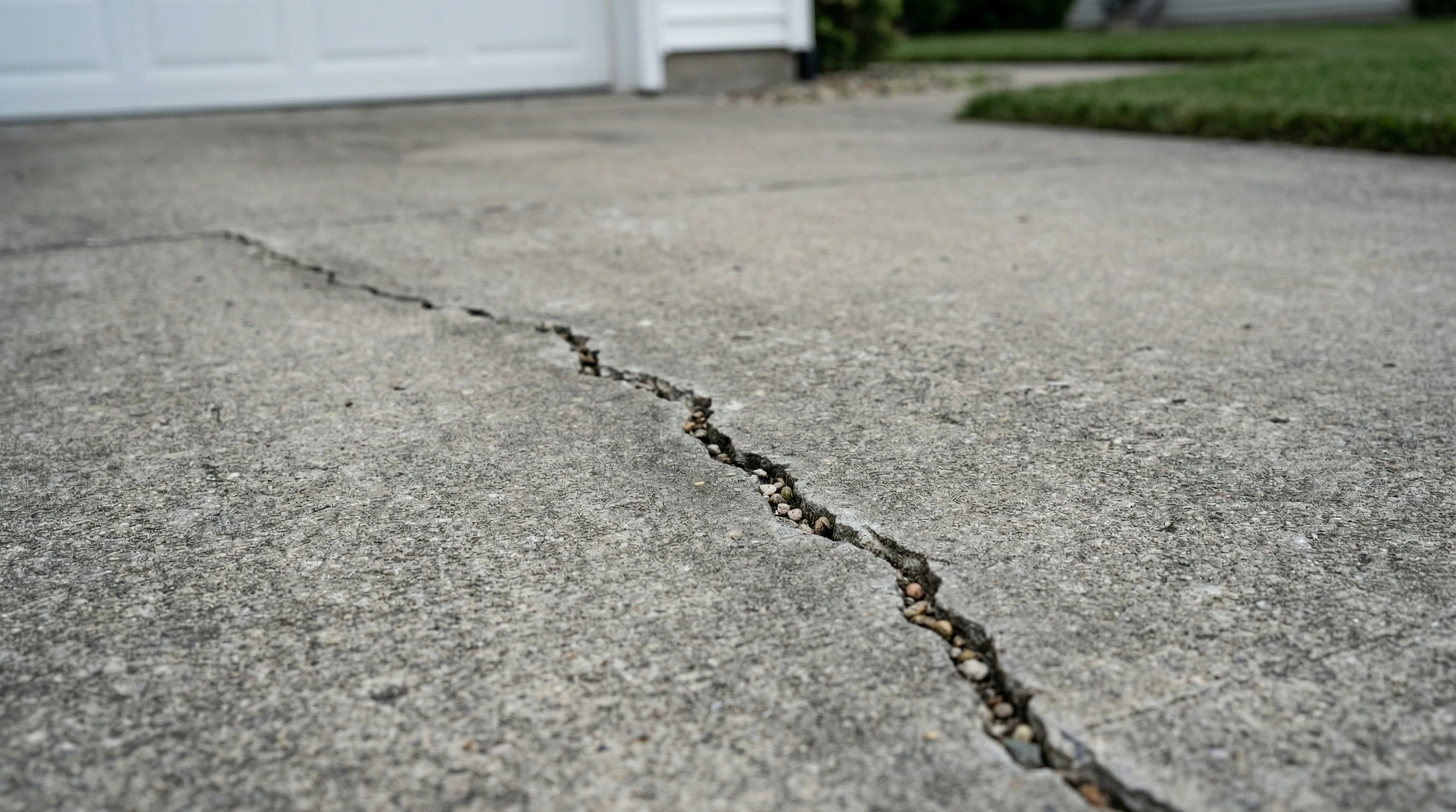
Cracks in concrete are not cosmetic problems. They let water in. Water freezes, expands, and makes the crack bigger. Repeat that cycle a few hundred times and a hairline crack becomes a structural problem.
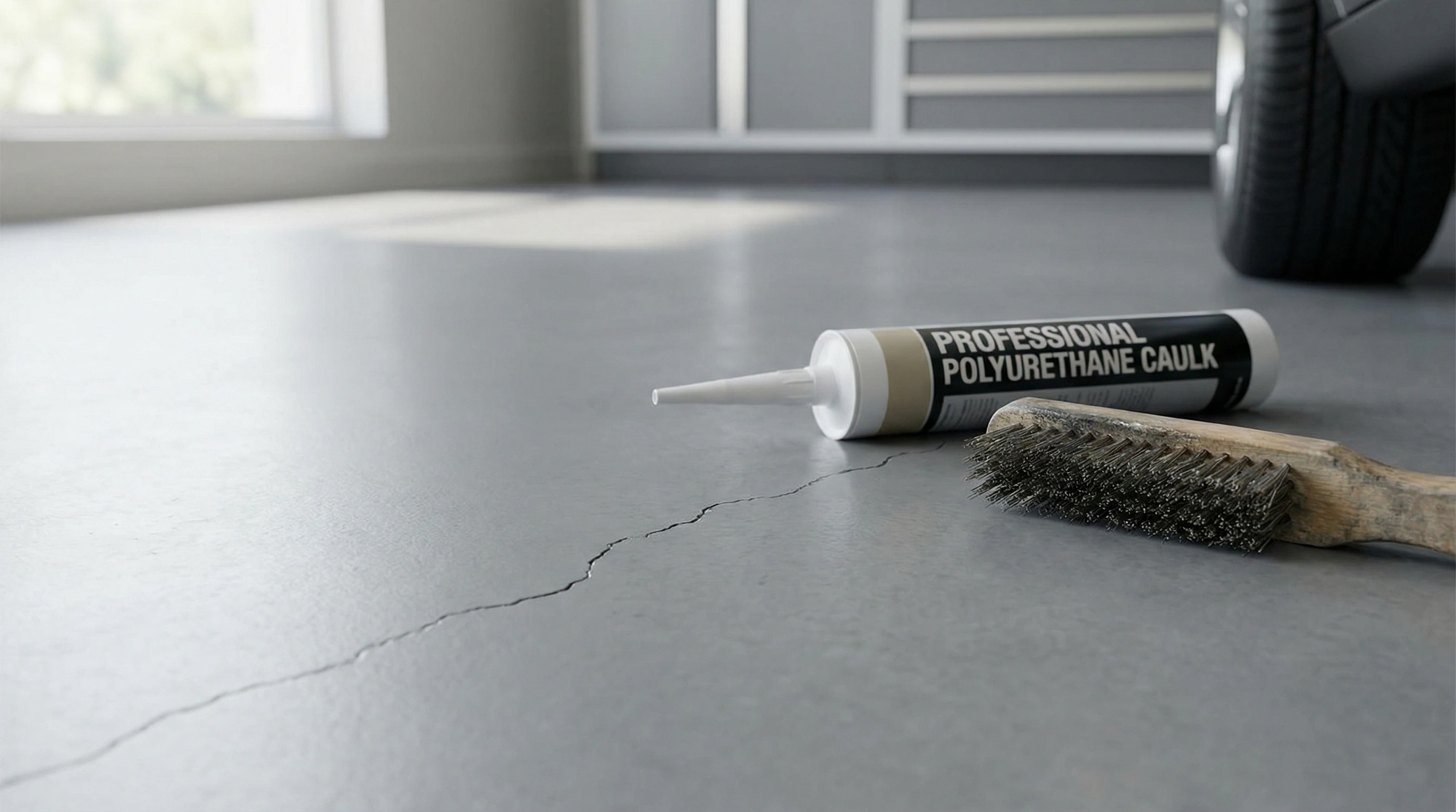
The key is matching the right repair material to the type of crack. Hairline cracks under a quarter inch need a different filler than wide structural cracks. And the crack has to be properly prepared — cleaned out, dried, and sometimes undercut — or the filler wont hold. Most DIY crack repairs fail because people skip the prep work and just squeeze filler into a dirty crack.
Our concrete crack repair guide explains how to identify what kind of crack youre dealing with, which filler to use, and the preparation steps that determine whether your repair lasts five years or five months.
Driveway and Patio Restoration
When cracks multiply, sections settle, or the surface starts spalling (those flaky patches where the top layer peels away), youre past spot repairs and into restoration territory.
For driveways, the decision usually comes down to resurfacing versus full replacement. Resurfacing works if the base is still solid and the damage is mostly surface-level. Full replacement is necessary when sections have heaved, the base has failed, or the concrete is more patch than slab. The cost difference is significant — resurfacing runs $3-5 per square foot versus $8-15 for tear-out and replacement.
Our concrete driveway repair guide covers both options with honest cost comparisons, plus sidewalk and patio repair for the same types of problems.
Foundation Concerns
Foundation cracks are the ones that keep homeowners up at night, and for good reason. But not every foundation crack is a crisis. Hairline shrinkage cracks that appeared during curing are normal and usually not structural. Horizontal cracks, stair-step cracks in block foundations, or cracks that are wider at one end than the other — those need professional evaluation.
The cost range for foundation repair is enormous: $500 for a simple crack injection up to $15,000+ for underpinning or major structural work. Knowing what youre actually dealing with prevents both unnecessary panic and dangerous neglect.
Our foundation repair guide helps you assess what kind of cracks youre looking at, which ones are cosmetic, which ones need monitoring, and which ones need a structural engineer immediately.
Seal It to Protect It
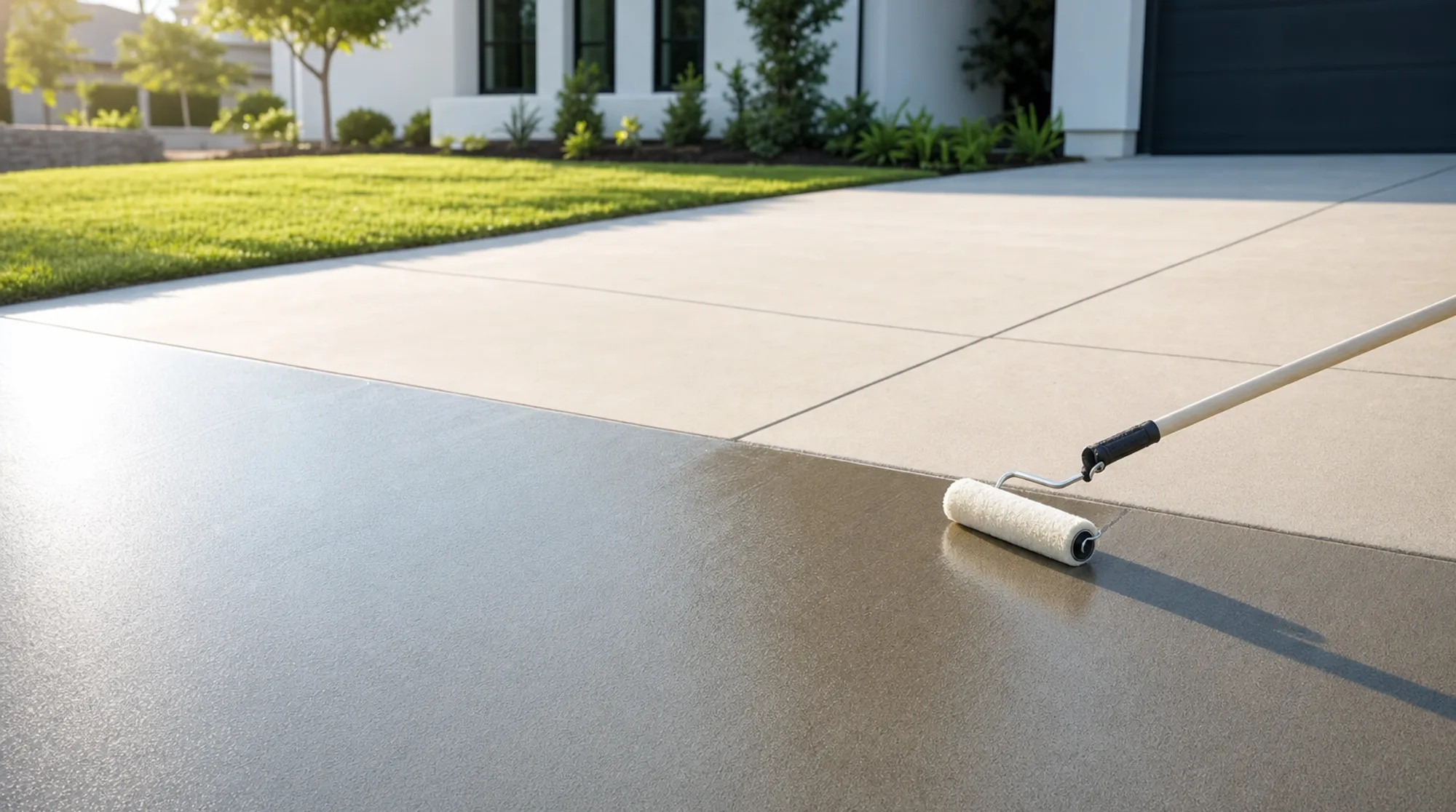
Sealing is the maintenance step that most people skip and that makes the biggest difference. A good concrete sealer prevents water penetration, resists stains, and dramatically slows freeze-thaw damage. Applied every 2-5 years depending on the product, it extends the life of your concrete by decades.
There are two types of sealers and using the wrong one creates problems. Penetrating sealers soak into the concrete and protect from within without changing the appearance. Topical sealers sit on the surface and create a film that can be glossy or matte. Penetrating sealers are better for driveways because they dont get slippery when wet. Topical sealers work well for decorative concrete and garage floors where appearance matters more.
Our concrete sealer guide covers both types, when to use each, the application process, and what it actually costs. The order matters too: always seal after cleaning and after any crack repairs have cured.
The Right Order for Concrete Maintenance
If your concrete needs attention, do things in this order:
- Clean — Remove all dirt, stains, algae, and debris
- Assess — Look for cracks, settling, spalling, and drainage issues
- Repair — Fix cracks and patch damaged areas; let repairs cure fully
- Seal — Apply the appropriate sealer to the clean, repaired surface
Skipping steps or doing them out of order means wasted time and money. Sealing over dirty concrete traps the dirt. Filling a crack without cleaning it means the filler pops out in six months. Sealing before repairs cure means the sealer doesnt bond properly.
When to Call a Professional
DIY-friendly:
- Pressure washing driveways and patios
- Filling hairline to moderate cracks
- Applying penetrating sealers
- Cleaning oil stains
- Minor surface patching
Call a professional:
- Foundation cracks that are horizontal, widening, or accompanied by bowing walls
- Large-scale resurfacing or full slab replacement
- Anything involving mudjacking or foam leveling
- Structural assessments
- Any repair you’re not confident about
A concrete contractor will charge $200-500 for most surface repairs. Thats a lot less than the $5,000+ replacement cost you’ll face if you let small problems grow.
Concrete maintenance is simple but not optional. Clean it, fix cracks early, seal it on schedule, and most concrete around your home will last longer than you will. Ignore it and youll be writing big checks sooner than you expect.
If keeping track of when to reseal, when to inspect for new cracks, and when to clean feels like one more thing on the list, thats exactly what Homevisory is for. Our home task manager schedules your concrete maintenance so small problems get caught before they become expensive ones.