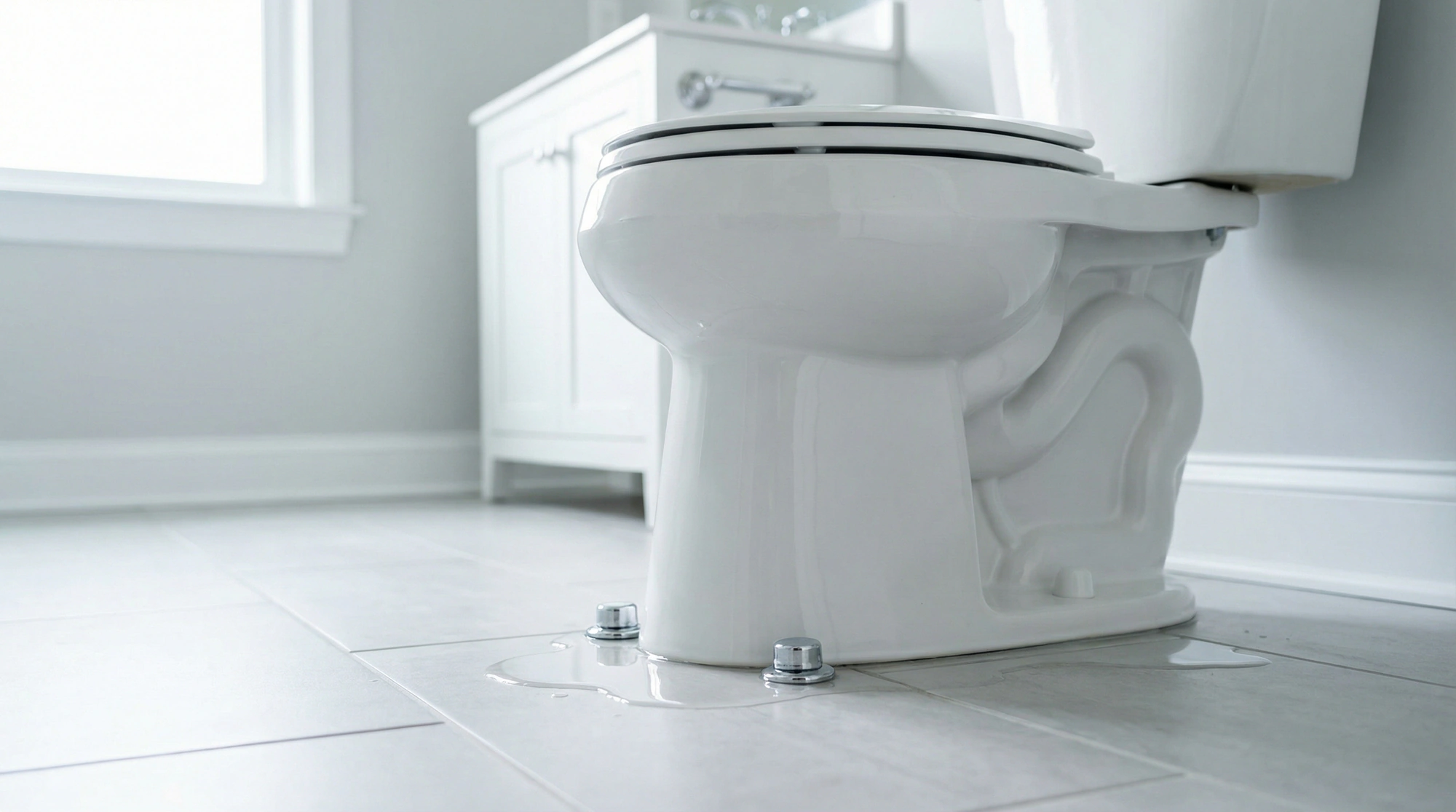
Why Your Toilet is Leaking at the Base
Water pooling around the bottom of your toilet is one of those problems that people either panic about or ignore completely. Both reactions are wrong. A toilet leaking at base is usually fixable in an afternoon, but ignoring it will cost you.
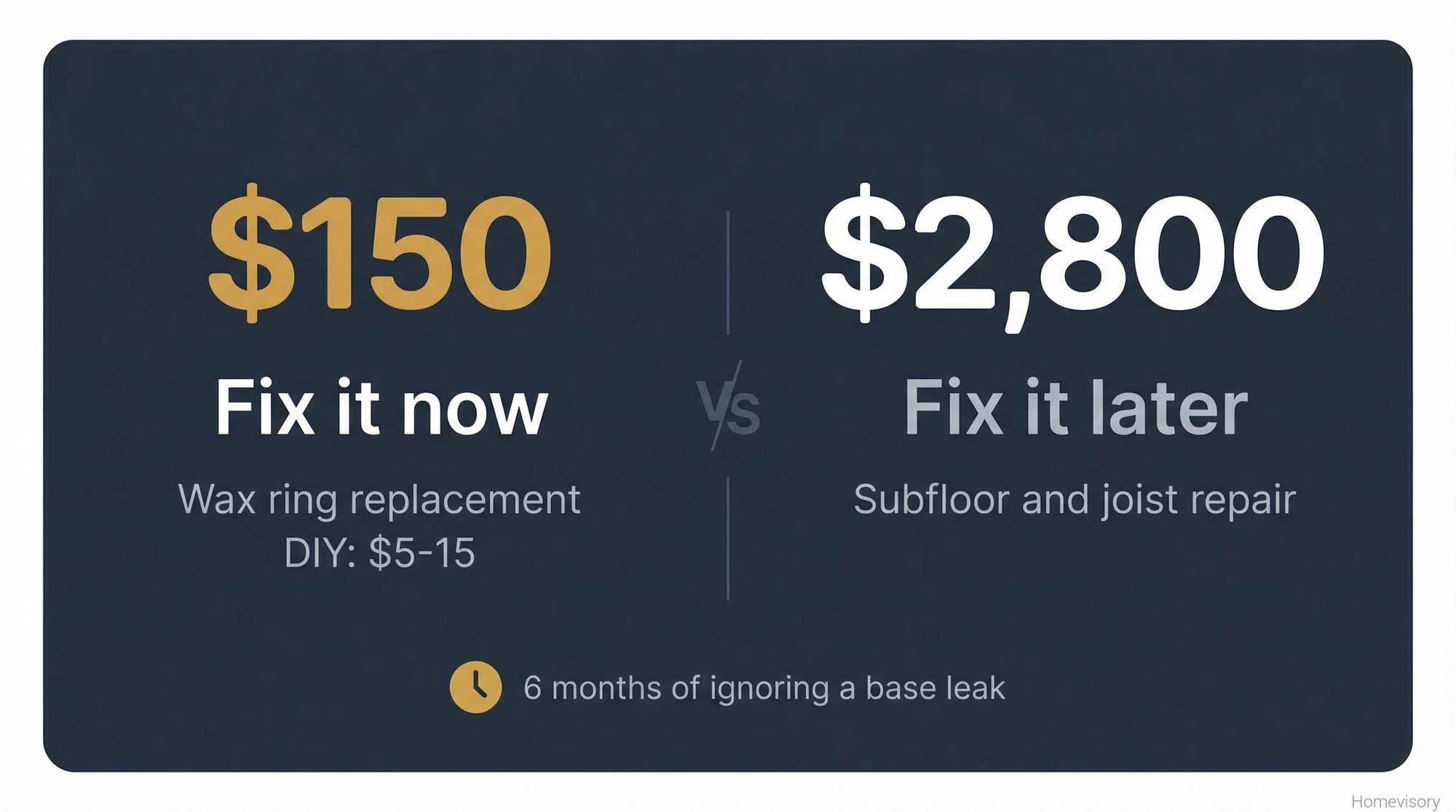
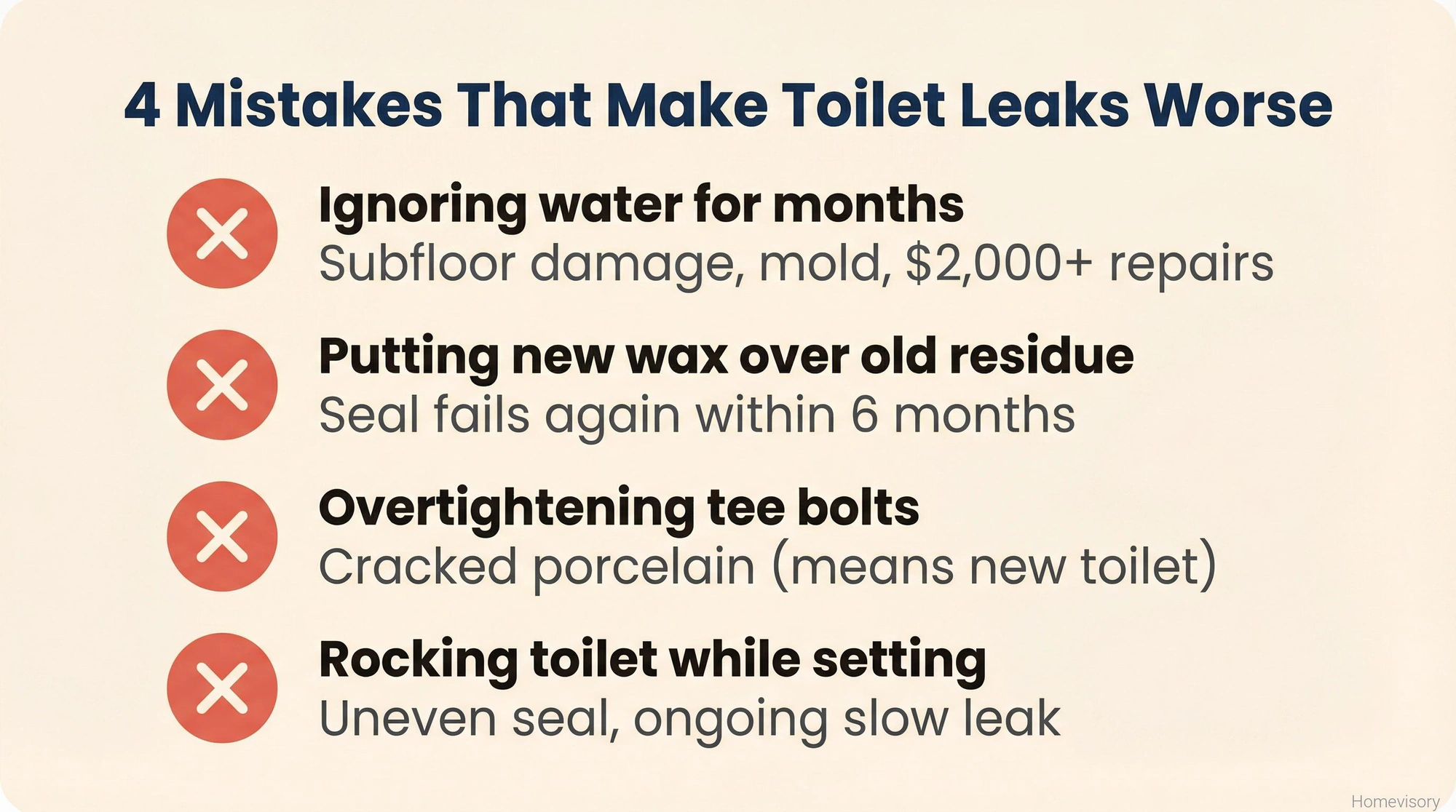
I had a client in Plano years ago, nice guy, noticed water around his toilet for about six months before he called me. Six months. The subfloor was soft by then, the joists underneath had water damage, and what should have been a $150 wax ring replacement turned into a $2,800 floor repair. Anyway.
The thing about a toilet leaking from base is that theres really only a few things it can be. My dad Curtis used to say, about factory equipment not toilets, he used to say you have to identify where the problem starts before you can fix it. The leak you see isnt always where the leak originates. Thats the first rule.
Figure Out Where Its Actually Coming From
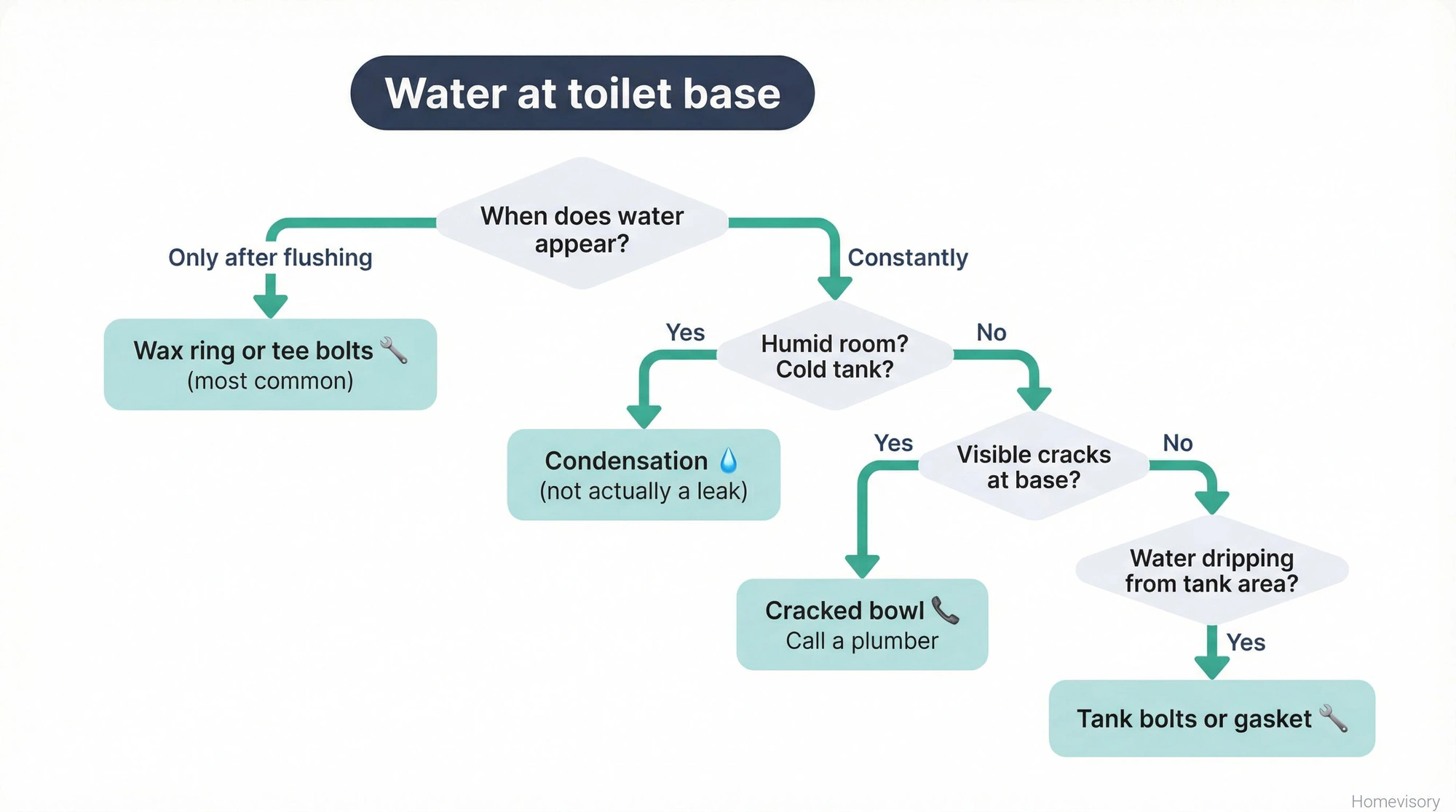
Before you do anything, you need to know what kind of leak you have. A toilet leaking at base could be:
- The wax ring seal (most common)
- Loose tee bolts
- Condensation (not actually a leak)
- Cracked bowl (rare but serious)
- A toilet leaking from tank down to the base
Heres how to tell the difference.
Flush the toilet and watch. If water appears at the base only when you flush, thats almost always the wax ring or the tee bolts. The seal between your toilet and the drain pipe has failed.
If waters there constantly, even when nobody’s flushed in hours, you might have condensation. Florida humidity does this. Palm Beach summers, I see it all the time. The tank holds cold water, the air is warm and wet, condensation forms on the outside of the tank and drips down. Feels like a leak. Isnt a leak.
If the water seems to come from higher up and run down, you might have a toilet leaking from tank. Thats the bolts or gasket connecting the tank to the bowl.
Cracked bowl. Look for visible cracks at the base. If you see one, stop reading this article and call a plumber. I’m not getting into porcelain repair because it doesnt really exist. A cracked bowl means a new toilet. If you’re ready to tackle that, check out our guide on how to replace a toilet.
The Wax Ring (This is Probably Your Problem)
I’m going to spend more time on this than anything else because the wax ring is the cause of toilet leaking at base about 80% of the time and people either dont know what it is or they’re scared of it.
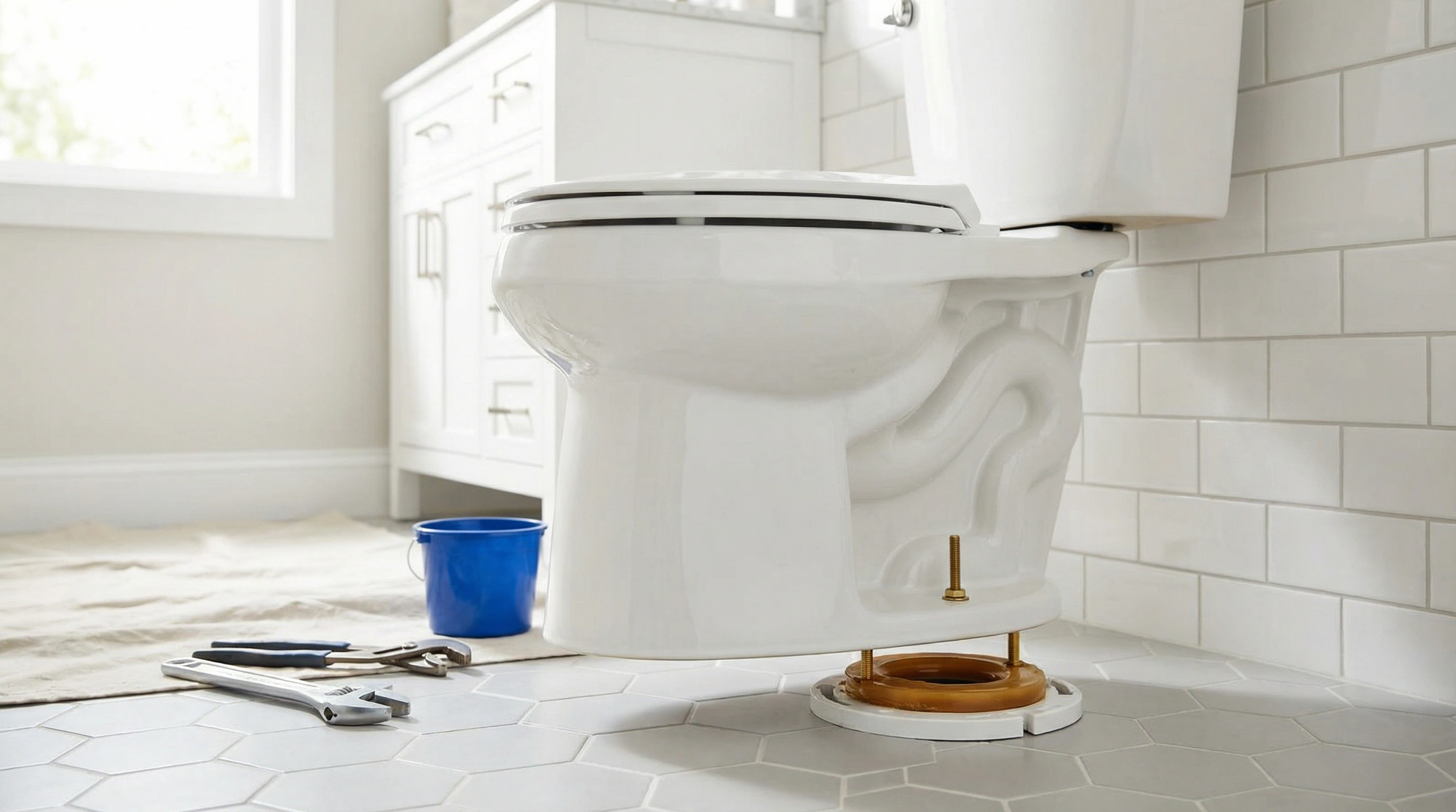
The wax ring is exactly what it sounds like. A ring of wax that sits between the bottom of your toilet and the drain flange in the floor. It creates a waterproof seal. It also keeps sewer gas from coming up into your bathroom. When it fails, water leaks out every time you flush, and eventually you start smelling things you dont want to smell.
Why do they fail. Age, mostly. Wax dries out over time. Also movement, if your toilet rocks at all, every rock breaks the seal a little more until its not sealing at all. Also bad installation from the start, which I’ve seen more times than I can count.
According to the EPA, household leaks can waste more than 1 trillion gallons annually nationwide. Ten percent of homes have leaks that waste 90 gallons or more per day. Your toilet leaking at base isnt just annoying. Its money down the drain and damage to your floor.
Replacing the Wax Ring
This is a job most people can do themselves. You need a new wax ring, which costs about $5, and a few hours. Maybe a new set of tee bolts while youre at it.
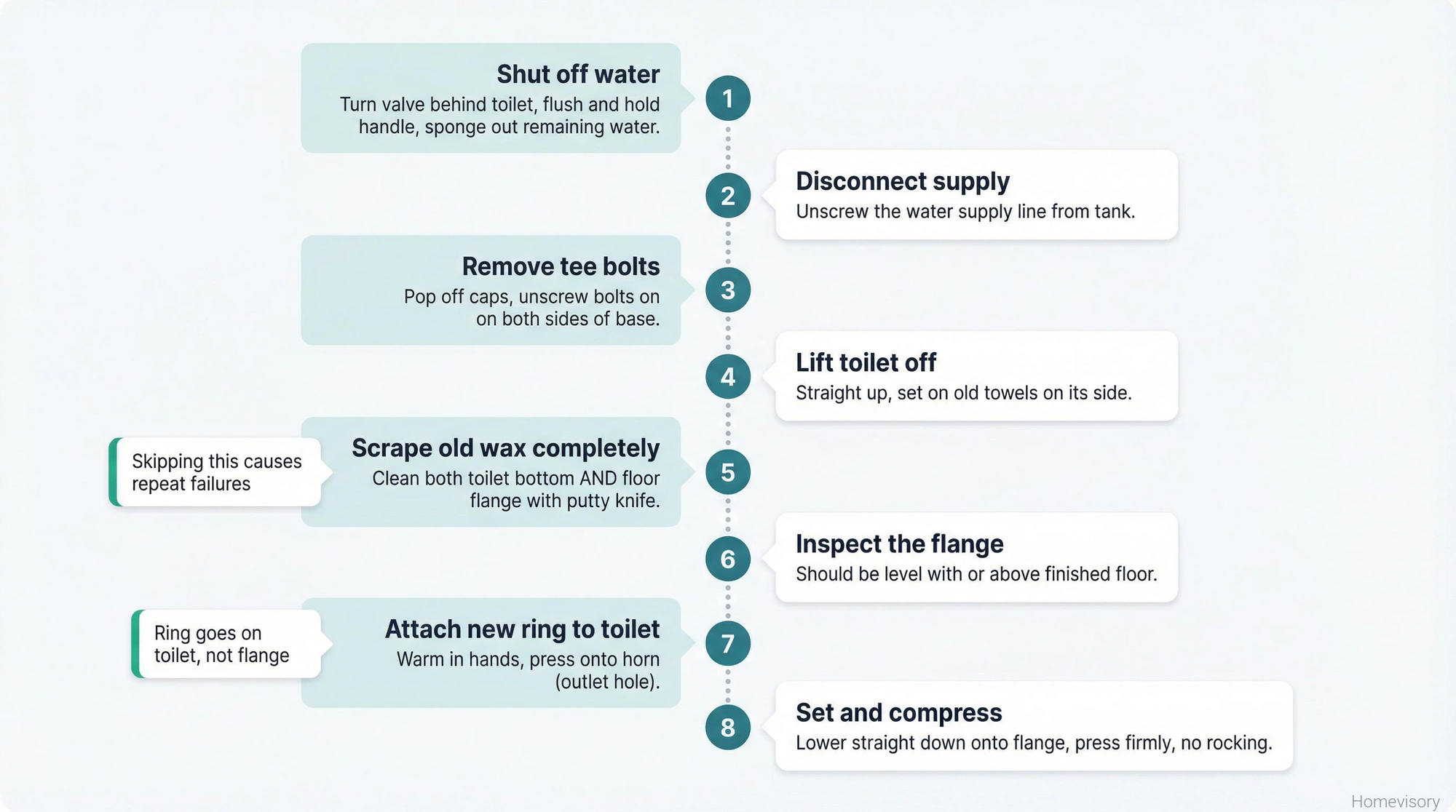
Turn off the water supply, thats the valve behind the toilet, then flush and hold the handle down to drain as much water as possible from the tank. Sponge out whats left. Disconnect the water supply line. Pop the caps off the tee bolts at the base and unscrew them. Now you can lift the toilet straight up and off.
This is the part where Ratchet, my dog, always decides to investigate. Every single time. I’ll be standing there holding a toilet and he walks right over to sniff the open drain hole. Dogs.
Set the toilet on its side on some old towels. Scrape off the old wax ring from the bottom of the toilet and from the flange in the floor. People skip this step and just stick the new ring on top of old wax residue and then wonder why it leaks again in six months. Get it clean. Use a putty knife. Take your time.
Look at the flange while youre down there. Is it cracked. Is it sitting above the floor or below it. The flange should be level with or slightly above your finished floor. If its too low, you need an extra-thick wax ring or a flange extender. Replacing a wax ring costs between $150 and $391 if you hire someone, depending on your area. Doing it yourself costs about $5-15 in parts.
Press the new wax ring onto the bottom of the toilet, not onto the flange. This is important. Warm the ring in your hands first if its cold, makes it more pliable. Center it over the horn, that’s the outlet hole on the bottom of the toilet. Then carefully lower the toilet straight down onto the flange, threading the tee bolts through the holes at the base. Press down firmly to compress the wax and create the seal. Dont rock it side to side, just straight down pressure.
Tighten the tee bolts evenly, alternating sides, until the toilet is snug against the floor. Not too tight. Porcelain cracks. Just snug. Reconnect the water, let the tank fill, flush a few times, and check for leaks.
Tee Bolts That Have Come Loose
Sometimes the toilet leaking at base isnt the wax ring at all. The tee bolts, those two bolts on either side of the base, might have loosened over time.
Check if your toilet rocks when you sit on it. Even a little wobble means the seal is compromised. Every rock breaks the wax seal a little more.
Try tightening the bolts first. Pop off the plastic caps, use an adjustable wrench, alternate sides, quarter turn at a time. Again, dont overtighten. Cracked toilet bases are not fun.
If tightening doesnt stop the rock or the leak, youre back to replacing the wax ring because its probably already damaged.
Toilet Leaking From Tank
Different location, different problem. If water is dripping from where the tank connects to the bowl, thats usually the tank-to-bowl gasket or the tank bolts.
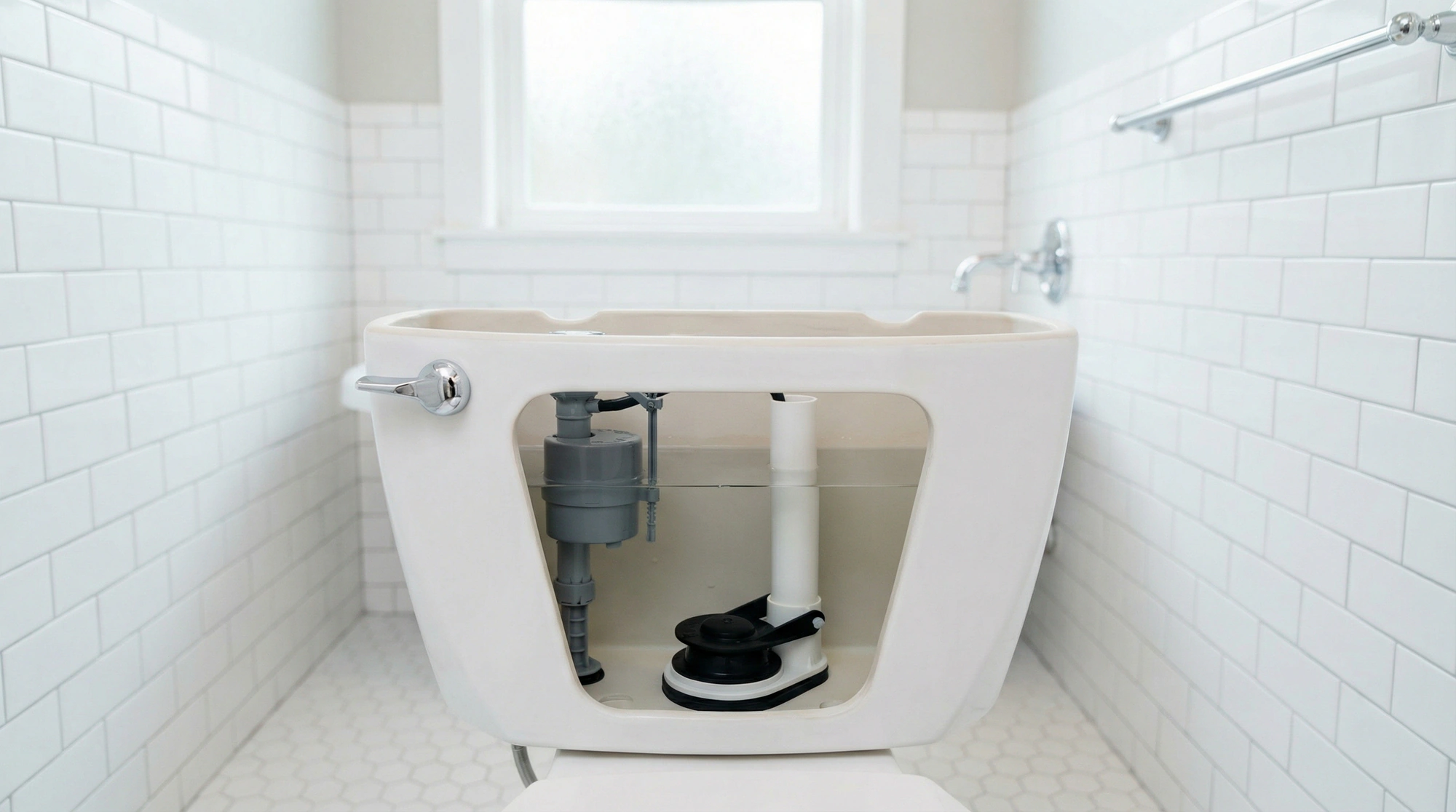
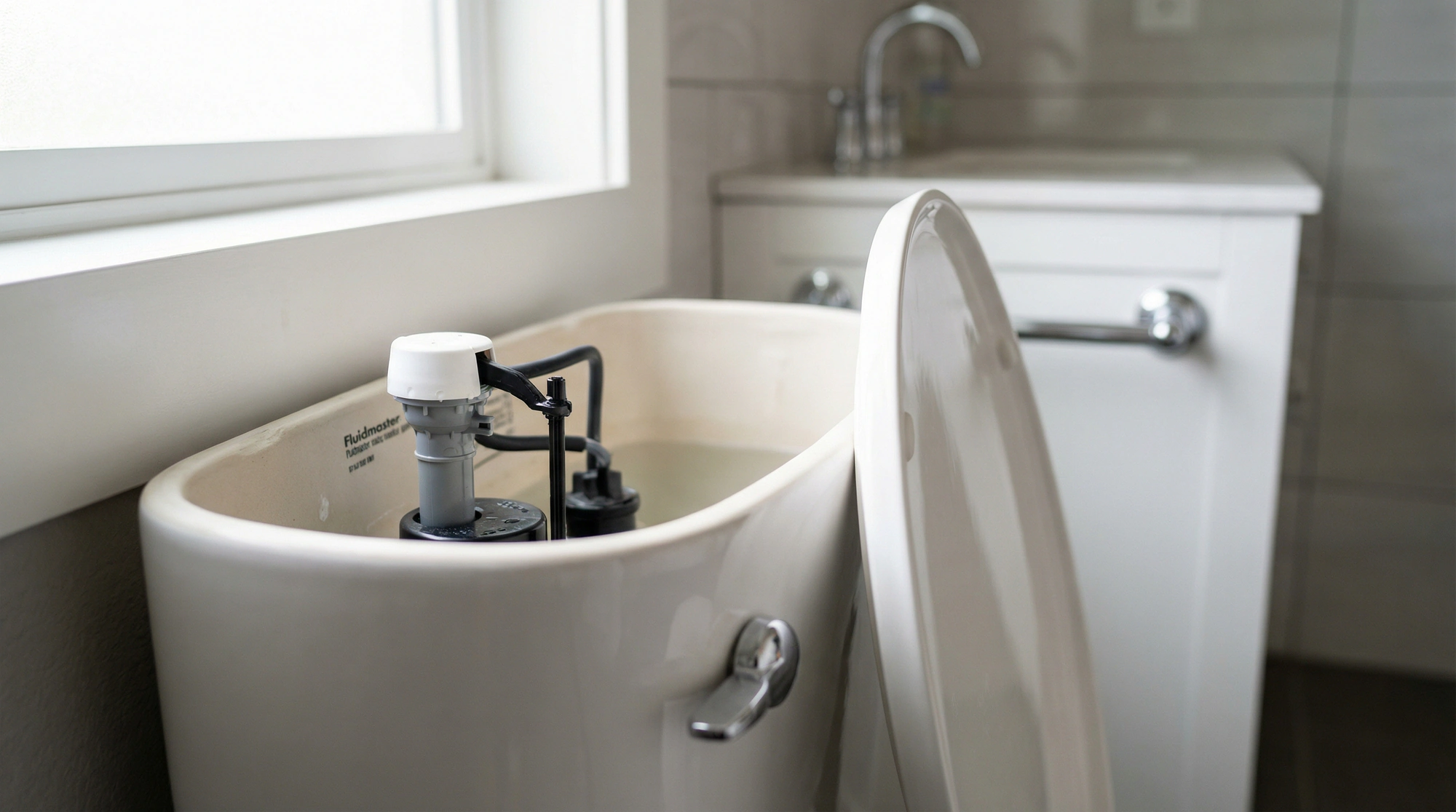
Turn off the water and drain the tank. Look inside at the two or three bolts that connect the tank to the bowl. Each one has a rubber washer. Those washers wear out. The NYC Department of Environmental Protection recommends testing your toilets for leaks at least once a year because these problems develop slowly.
Replace the washers. Theyre cheap. While youre at it, replace the gasket between the tank and bowl, that big rubber donut that seals the flush valve to the bowl. Maybe $15 for all the parts.
Toilet Flapper Not Sealing
This causes running toilets, not base leaks. Different problem. But I’ll mention it because people confuse them.
If your toilet runs randomly or you hear water trickling into the bowl, thats the flapper not sealing. The EPA notes that an old or worn flapper can cause your toilet to flush on its own or silently leak thousands of gallons a year.
Check the flapper. Replace it. $10 at any hardware store. Takes five minutes. Moving on.
Why You Cant Ignore This
I mentioned my shower tile shortcut disaster before, but it applies here. Water finds every mistake you make. A toilet leaking at base might seem minor, a little puddle after flushing, but water gets into places you cant see.
According to the EPA, even a small, slow toilet leak can waste up to 200 gallons of water per day. But the water bill isnt really the problem. The problem is what that water does to your floor.
The subfloor under your bathroom is probably plywood or OSB. It absorbs water. Once water gets into wood, repairs can cost thousands of dollars. That’s the thing about bathroom leaks. Theyre never just about the bathroom. My shower tile shortcut in 2011, I tiled over old tile to save time, and eleven months later the grout cracked, tiles popped off, subfloor was soft from water damage that had been happening slowly the whole time. Raquel made me sleep on the couch because I “smelled like mold.”
Toilets account for nearly 30 percent of an average home’s indoor water consumption. Any leak in that system matters.
When to Call Someone
Most toilet leaking at base situations are DIY-friendly. But there are times to call a plumber:
- Cracked toilet bowl or base
- Damaged floor flange that needs replacing
- Subfloor damage you can see or feel
- You lifted the toilet and now youre not confident about putting it back
Professional repair for a base leak runs about $240 on average, with hourly rates between $75 and $150 depending on your area. If the floor flange is broken or the subfloor needs repair, expect to pay more.
Whatever. Just get it fixed. Waiting makes everything worse.
Keeping Track of This Stuff
The real problem isnt fixing a toilet leak. The real problem is noticing it in the first place and not putting it off for six months like my Texas client did.
Thats what we do here at Homevisory. Our home task manager helps you track maintenance, set reminders, and catch problems before they turn into disasters. You can sign up for free and actually stay on top of things instead of hoping youll remember to check the wax ring before your bathroom floor turns soft.
Fix the leak. Then set up a system so you dont ignore the next one. And if your toilet has other problems beyond the base leak, our complete toilet repair guide covers every common issue from running toilets to weak flushes.