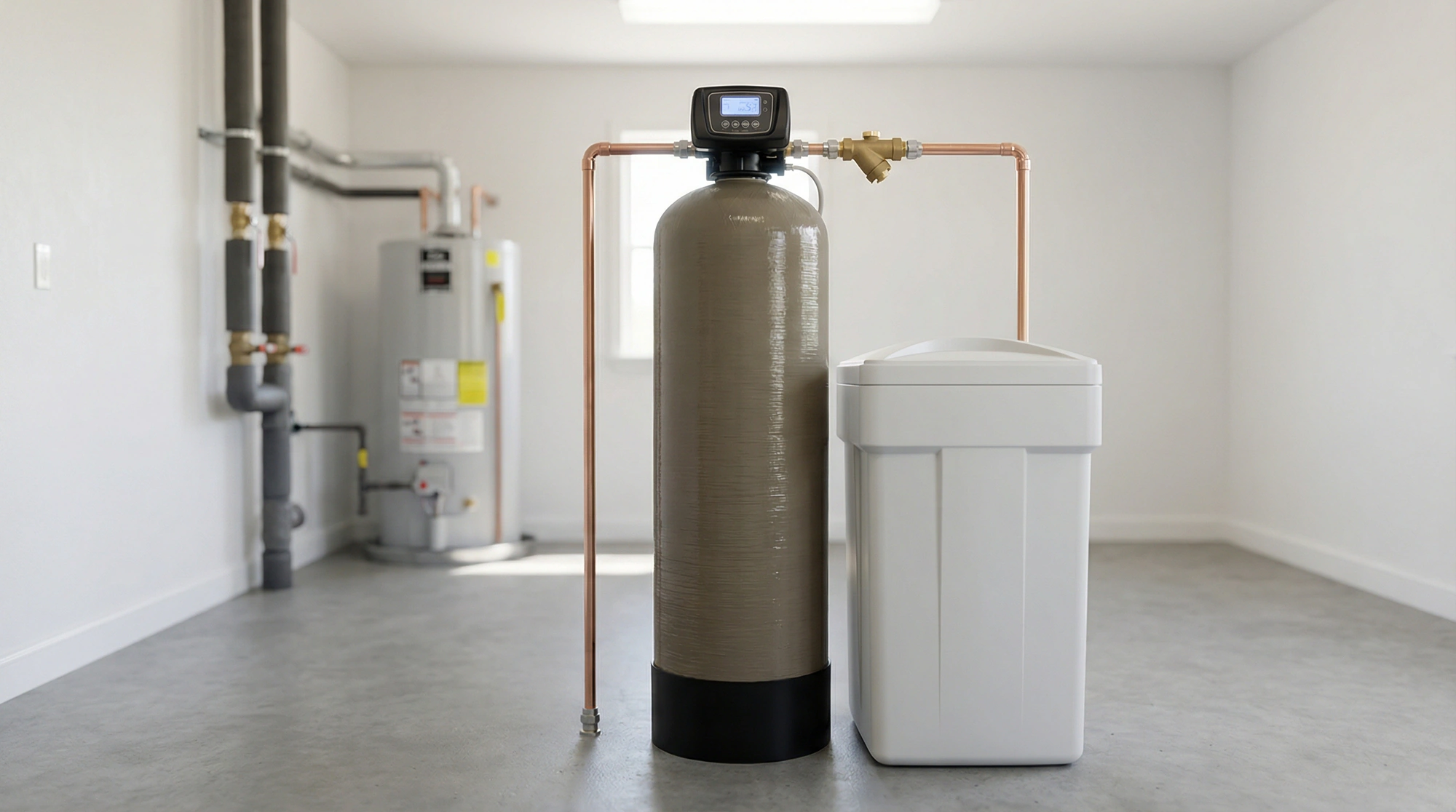
Finding the best water softener for well water isnt the same as picking one for city water. I need to say that upfront because I see people make this mistake constantly. They go online, read some reviews, buy whatever has good ratings, and then six months later theyre calling someone like me because their resin bed is fouled with iron and the whole system is basically garbage.
Well water is different. Its not treated. Its not regulated the same way. According to the EPA, private wells aren’t covered by the Safe Drinking Water Act, which means youre responsible for knowing whats in your water. Nobody else is testing it for you. Nobody else is treating it before it reaches your house.
So before I tell you what to buy, we need to talk about what youre actually dealing with.
Test Your Water First
My dad used to say, about machine work at the factory, he used to say “you cant fix what you dont measure.” He was talking about tolerances on parts. But it applies here too. You cannot pick the best water softener for well water if you dont know whats in your water.
Hardness is the obvious thing. Thats the calcium and magnesium that causes scale buildup, makes your soap not lather, leaves spots on everything. The USGS defines hard water as anything above 60 mg/L, and they found that hard water is especially common in the east-central and western United States because of carbonate aquifers.
But hardness isnt the only thing in well water. Thats what people miss.
A USGS study of 2,100 private wells found that about one in five had at least one contaminant above human health benchmarks. One in five. And that doesnt even count the stuff thats not a health issue but will destroy your softener, like iron and manganese.
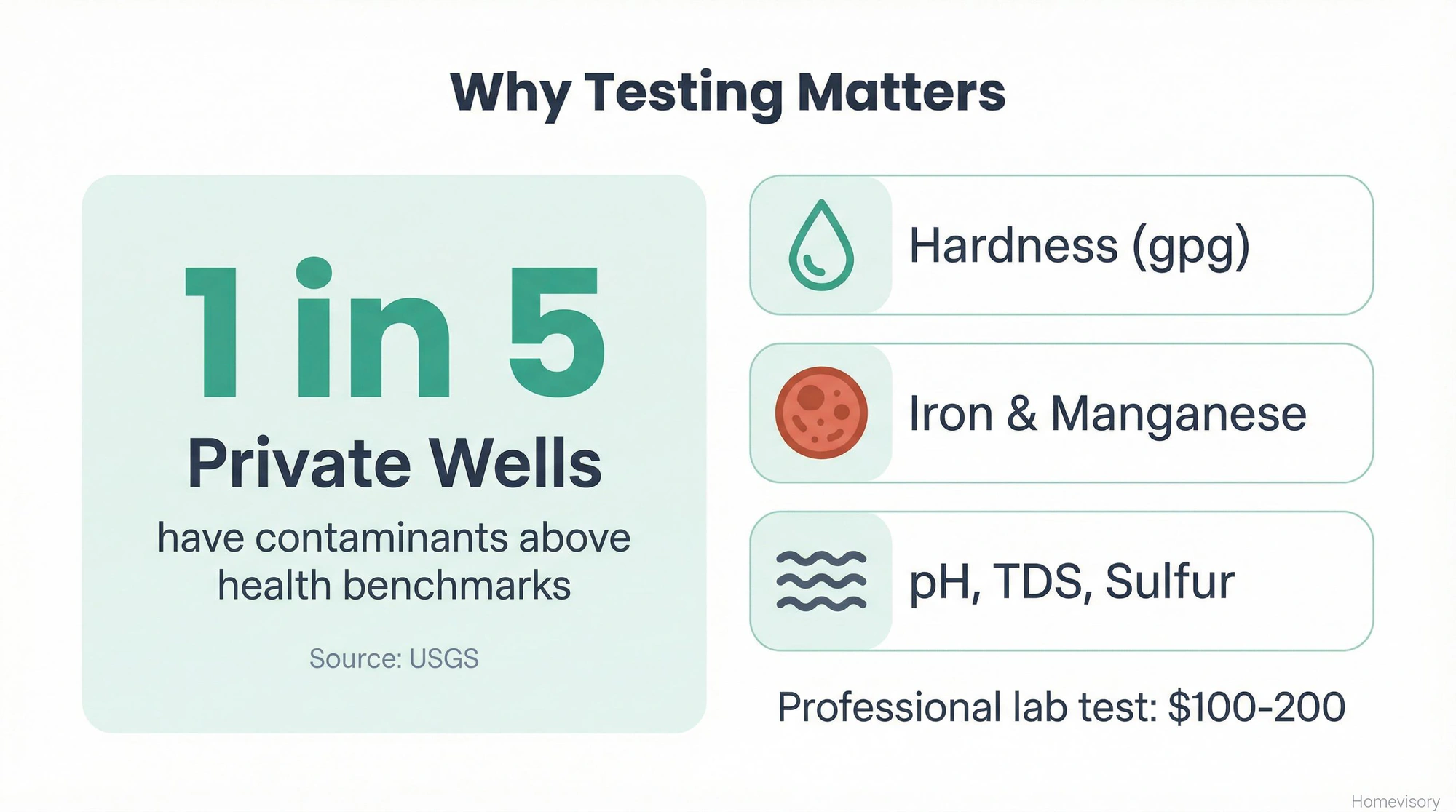
Get a comprehensive water test. Not a $20 strip test from the hardware store. A real test from a state-certified lab. The EPA recommends this, and most state health departments have lists of certified labs. Youre looking for:
- Total hardness (in grains per gallon)
- Iron (ferrous and ferric)
- Manganese
- pH
- TDS (total dissolved solids)
- Sulfur/hydrogen sulfide if you smell rotten eggs
This costs $100-200 depending on where you live. People dont want to spend it. They want to skip straight to buying equipment. Then they spend $2,000 on a softener that fails in 18 months.
The Iron Problem (This Is Where Most People Mess Up)
I worked on a house in Texas, this was probably 2008 or 2009, and the owner had bought one of those high-end softeners. Name brand, good reviews, paid a plumber to install it. Should have been set for years.
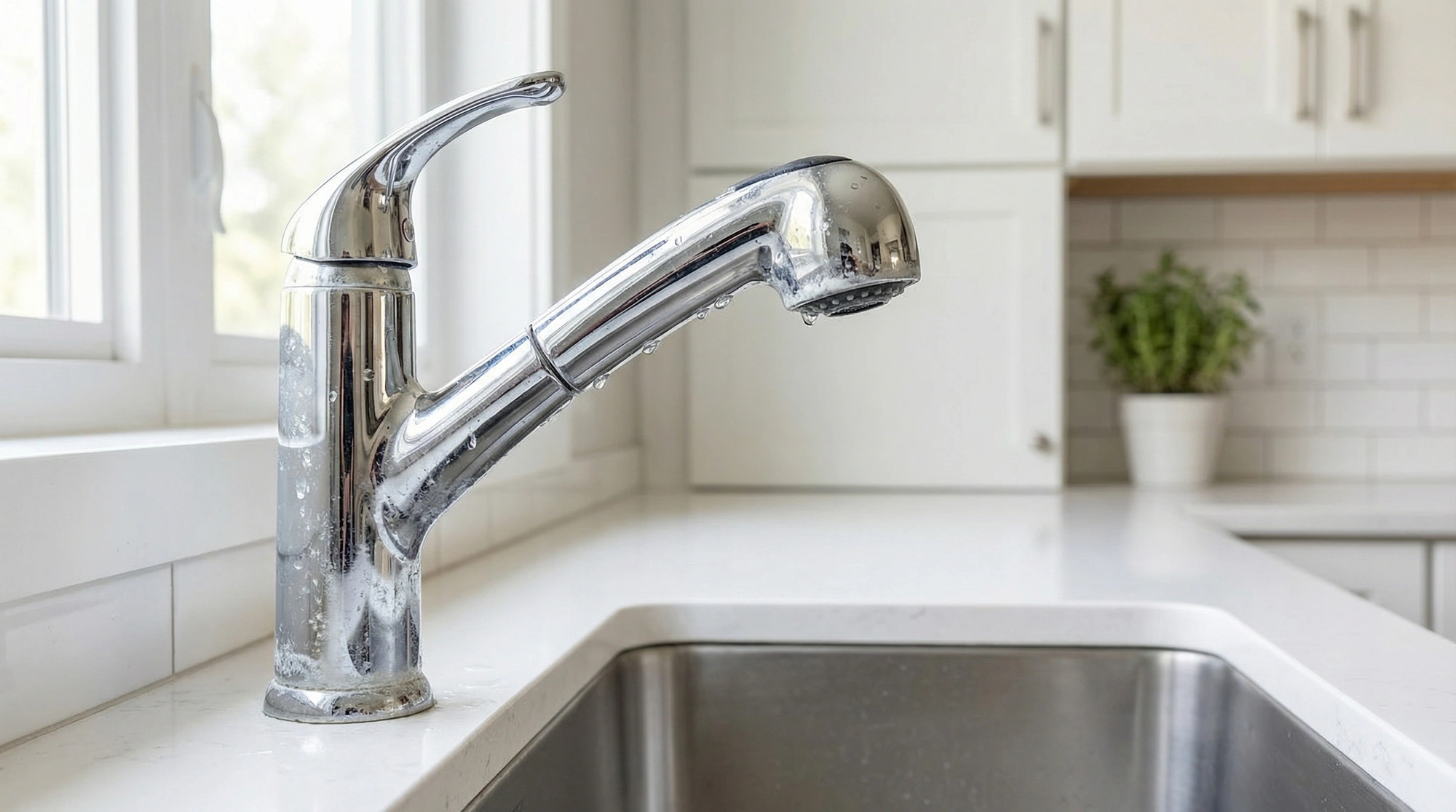
The bathtub was orange. I mean orange. Rust stains everywhere. The toilet bowl looked like someone had been pouring iced tea into it for a decade.
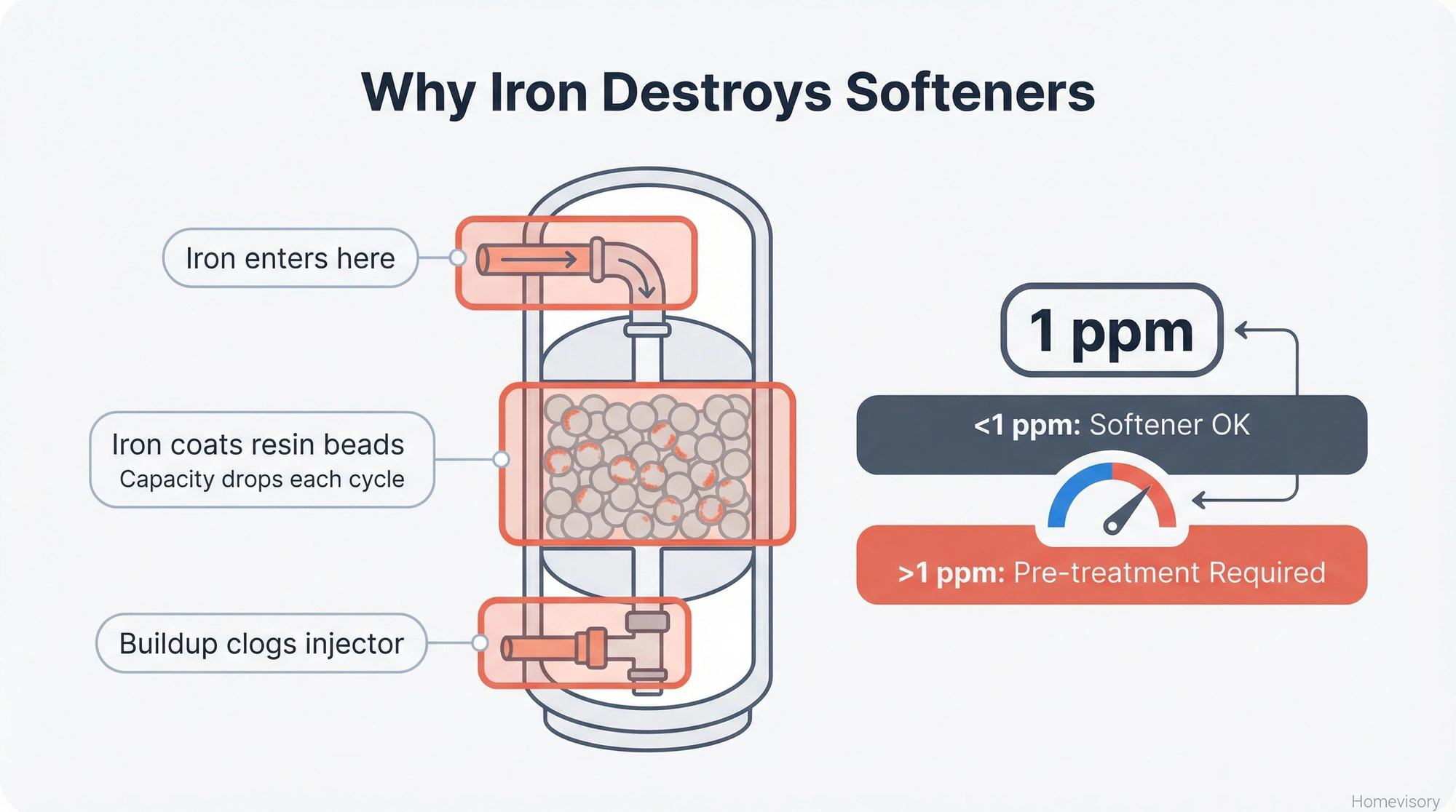
The softener was dead. Resin bed completely fouled with iron. The thing had been running for maybe two years.
Here’s what happened. His well water had 3 ppm of iron in it. Maybe more. Standard water softeners can handle some iron, usually up to 1-2 ppm if youre being optimistic and the conditions are right. Anything above that, you need pre-treatment.
The New Hampshire Department of Environmental Services has good data on this. They note that iron concentrations in groundwater can range from barely detectable to over 10 mg/L depending on local geology. Manganese can get above 1.0 mg/L. And they specifically warn that manganese above 0.3 mg/L isnt advisable for long-term consumption.
So youve got health concerns AND equipment concerns.
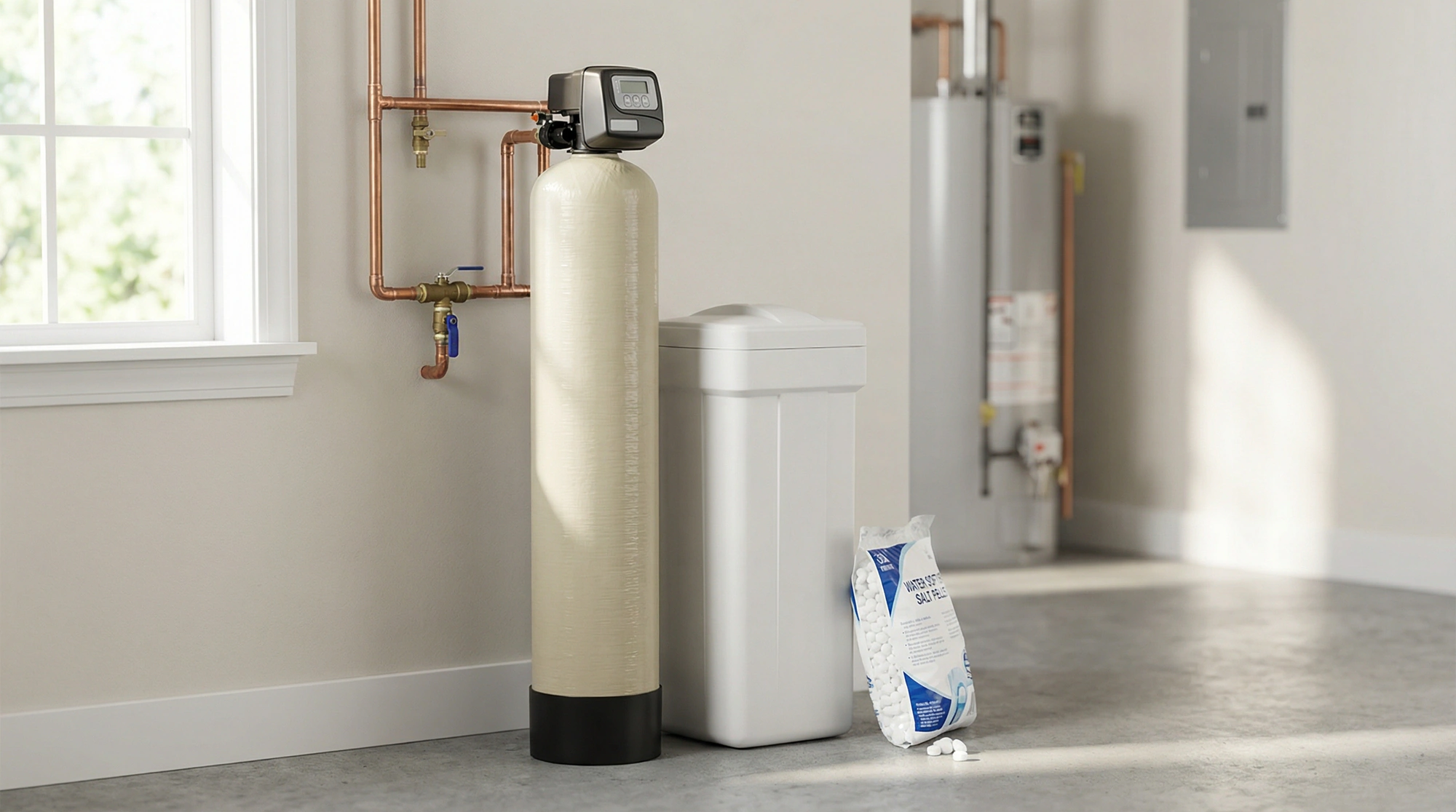
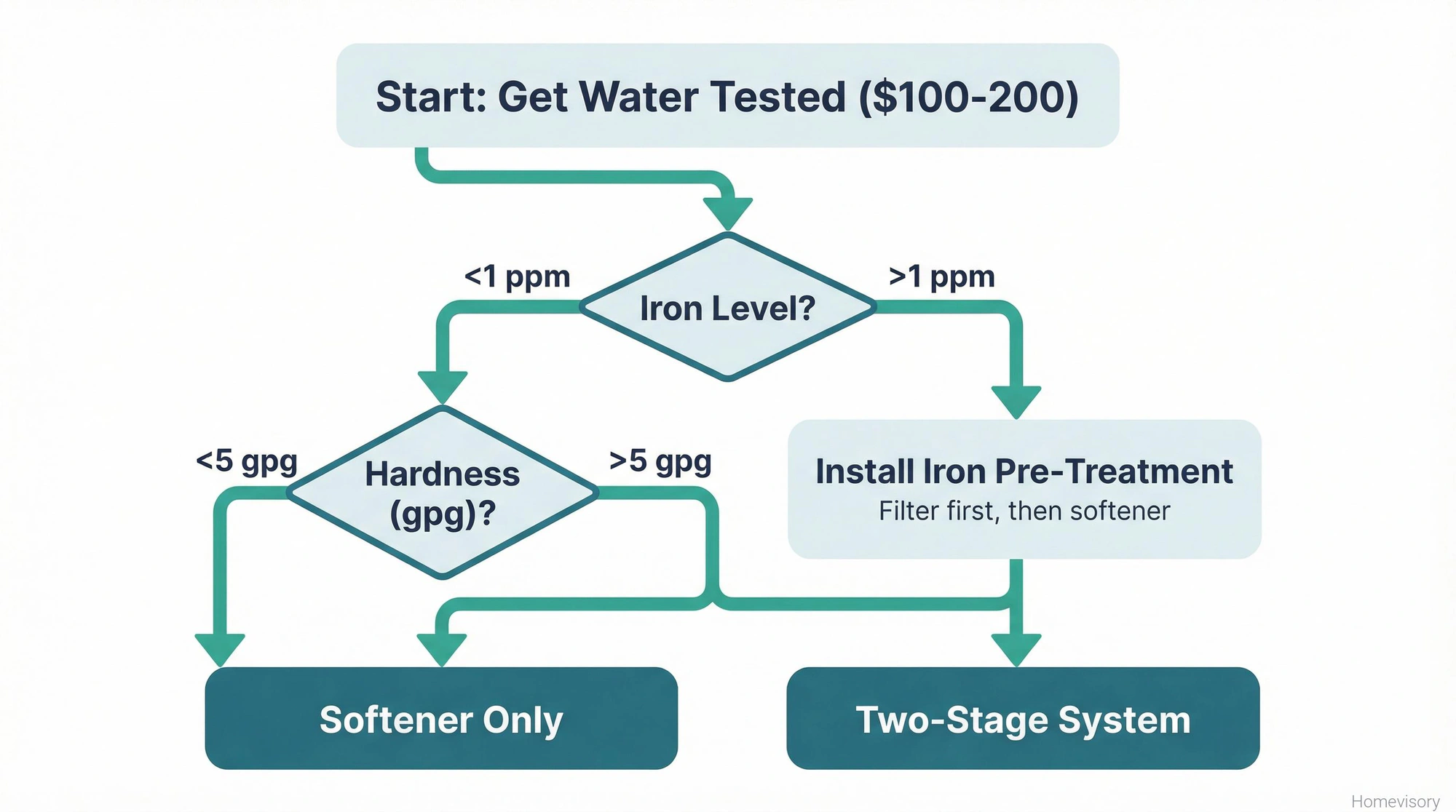
If your water test shows iron above 1 ppm or manganese above 0.5 ppm, you need to install an iron filter BEFORE your softener. This is non-negotiable. The iron filter removes the iron and manganese, then the softener handles the hardness. Two-stage system. Costs more upfront. Saves you from replacing your softener every couple years.
Options for iron pre-treatment:
- Air injection/oxidation systems - inject air to oxidize iron, then filter it out. Work well for moderate iron levels.
- Greensand filters - use manganese dioxide media. Need potassium permanganate for regeneration. More maintenance but very effective.
- Birm filters - need pH above 6.8 and dissolved oxygen. Cheaper to operate but more specific requirements.
Which one you need depends on your specific water chemistry. This is why the test matters. I cant tell you which iron filter to buy any more than I can tell you what size shoes to wear. Depends on your situation.
Grain Capacity and Why It Matters More for Well Water
Softeners are rated by grain capacity. A 32,000 grain softener can remove 32,000 grains of hardness before it needs to regenerate. Simple enough. But here’s where well water complicates things. Well water is often harder than city water. Way harder. City water might be 10-15 grains per gallon if its hard. Well water can be 25, 30, even 50+ grains per gallon in some areas. So you need to calculate your daily hardness load, which is your water usage multiplied by your hardness level, and then figure out how many days you can go between regenerations with a given grain capacity. Most people want to regenerate every 5-7 days, not more often because regeneration uses water and salt, and not less often because the resin can develop issues if it sits too long. If youre a family of four using 80 gallons per day with 25 gpg hardness, thats 2,000 grains per day, which means you need at least a 32,000 grain system to go a week between regenerations. But if your water is 35 gpg, now youre at 2,800 grains per day and you probably want a 48,000 grain system.
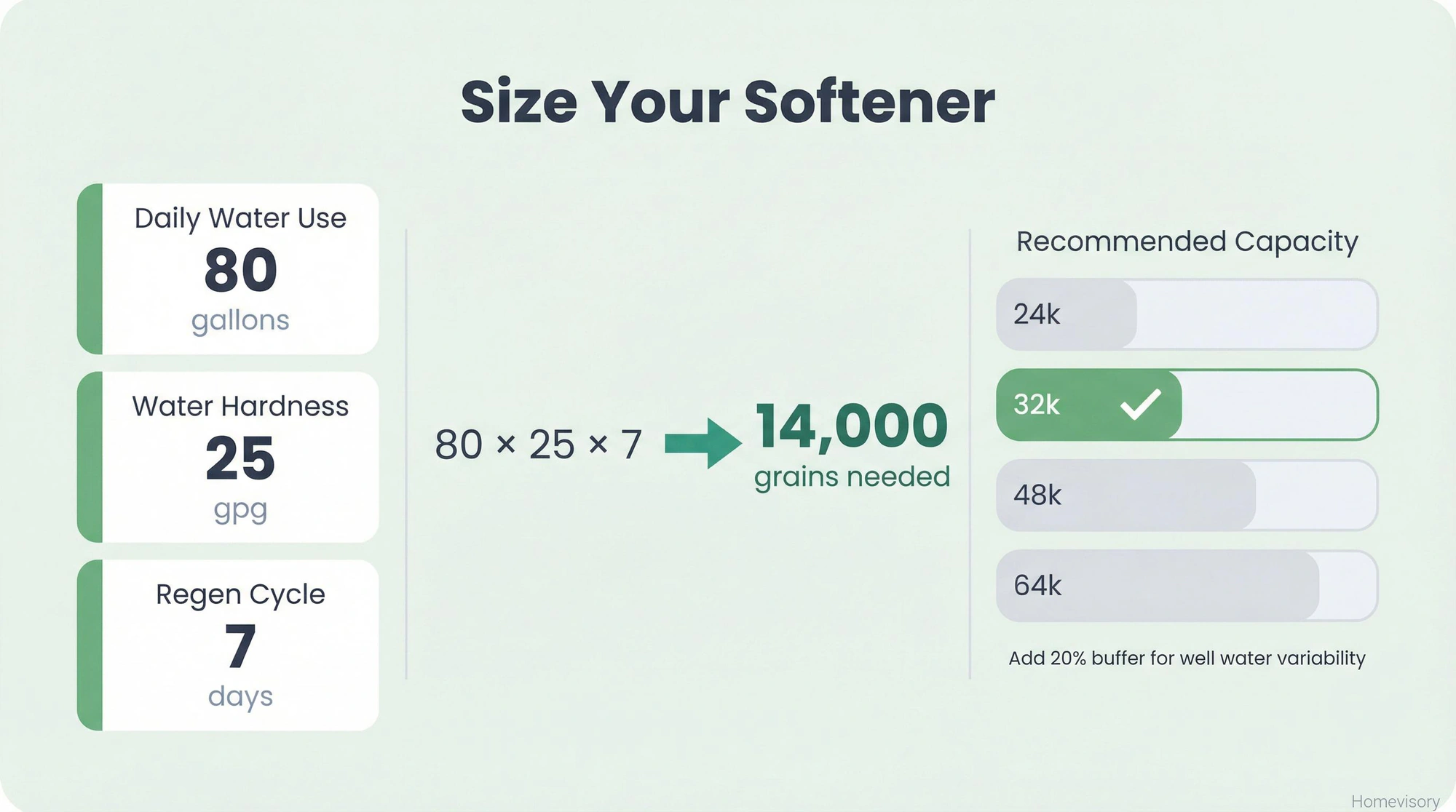
Do the math. Dont guess. Dont buy whatever the salesperson recommends without running your own numbers.
What to Actually Look For
For well water specifically, here’s what matters:
NSF/ANSI 44 certification. This is the standard for residential water softeners. NSF International establishes the requirements for how softeners should perform, specifically for removing calcium and magnesium ions. The standard also defines soft water as less than 1 grain per gallon. If a softener doesn’t have this certification, I’m not interested.
Demand-initiated regeneration. Old softeners regenerate on a timer. Every three days, every week, whatever. Newer systems regenerate based on actual water usage. This matters because traditional regeneration can use 25 gallons of water or more per day, potentially up to 10,000 gallons per year. Demand systems are more efficient. The EPA notes that efficient softeners should use 5 gallons or less per 1,000 grains removed.
High-quality resin. Crosslink percentage matters. Standard is 8%. For well water with any iron at all, you want 10% crosslink resin. More durable. More resistant to fouling. Costs more but lasts longer.
Bypass valve. You need to be able to bypass the softener for outdoor watering, or when you need to service it. Every decent unit has one. Make sure its included.
Brands Worth Considering
I’m not going to rank these best to worst because it depends on your water and your budget. These are brands I’ve seen work well on well water:
Fleck-controlled systems. Fleck makes the control valve, not the whole softener. A lot of independent companies build systems around Fleck valves. The 5600SXT is probably the most common residential valve. Reliable. Parts are available everywhere. If something breaks in eight years, you can fix it.
Kinetico. Non-electric, twin-tank systems. Regenerate based on demand using water pressure instead of electricity. More expensive upfront but very reliable. Good for well water because they handle fluctuating water quality better. Downside is proprietary design, so you need their dealer for service.
Water Right. Made in USA. Sanitizer models are designed specifically for problem water. Good option if youve got bacteria concerns along with hardness.
Pentair. Formerly Fleck (they bought them). Commercial-grade stuff thats been adapted for residential. Overkill for some situations but if you want something that will last 20 years, this is an option.
Salt-Free Systems
I’m not getting into the salt-free debate here. They’re not softeners. Theyre scale inhibitors. Different thing. The Water Quality Association is clear that these systems dont actually remove calcium and magnesium, they just change the form so it doesnt stick to pipes as easily. You still have hard water. You still wont get soft water results with soap and detergent. Some people are fine with that. Some people need actual softening.
If you want soft water as defined by actual standards, less than 1 gpg hardness, you need ion exchange. Period.
What about magnetic or electronic “softeners.” Dont. Just dont. Moving on.
Installation and Cost
Installation typically runs $1,500 on average, with most people paying between $200 and $6,000 depending on complexity. Basic systems with simple installation can be on the lower end. Whole-home setups with pre-treatment, new plumbing runs, electrical work, thats where you get toward the higher numbers.
For well water specifically, budget for:
- Water testing: $100-200
- Iron pre-treatment if needed: $800-2,000
- Softener: $600-2,500 for the unit
- Installation: $150-500 if you have accessible plumbing
- Salt storage and ongoing supply
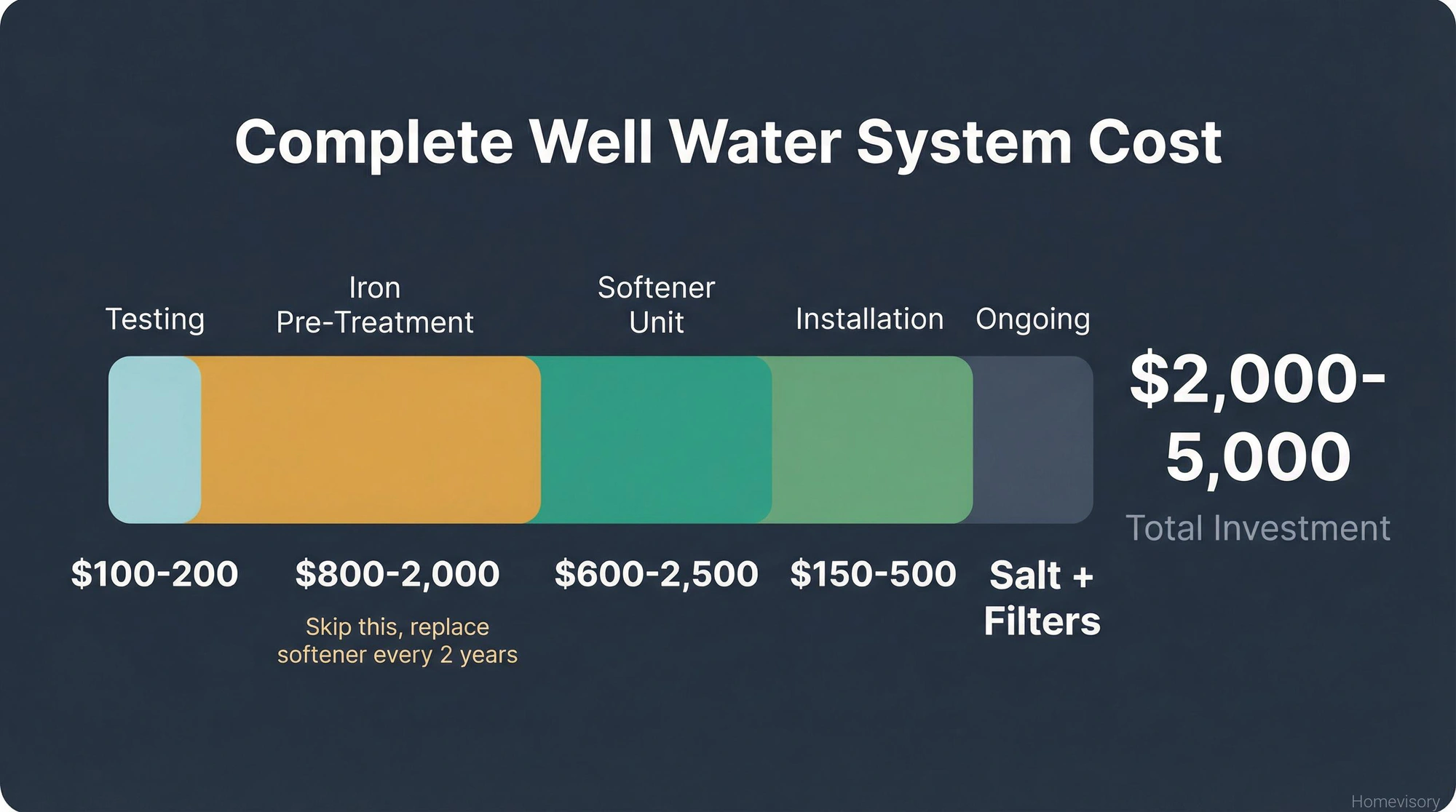
Total for a complete well water treatment system with iron removal: $2,000-5,000. Can be more for complex situations.
Can you DIY it. Depends on your skills. The plumbing isnt complicated if you have a good spot to install with existing connections. The programming is mostly just setting your hardness level and regen time. But if you mess something up, youre drinking untreated well water or flooding your mechanical room. Your call. If you want to tackle it yourself, check out our guide on how to install a water softener.
The Sulfur Smell Thing
I worked a job site in rural Georgia once, renovation on an old farmhouse, and the well water had so much hydrogen sulfide in it that you could smell it from the driveway when someone turned on a faucet inside. Rotten eggs. The whole crew ate lunch in their trucks with the windows up because nobody wanted to be near that house when water was running. We finished that job in three days. Fastest I ever worked. Anyway.
If you have sulfur smell, thats a separate issue from hardness. Aeration or oxidation can help. Carbon filtration after. Some whole-house systems combine everything. But it’s another thing to address on top of your softener.
What I Actually Recommend
Get your water tested first. I know I keep saying it. I dont care.
If your iron is below 1 ppm and manganese is minimal, a quality ion-exchange softener sized appropriately for your hardness and usage will do the job. Look for NSF 44 certification, demand regeneration, and a reputable valve (Fleck, Clack, or Kinetico-style).
If your iron is above 1 ppm, install pre-treatment. Iron filter first, then softener. Yes it costs more. The alternative is replacing your softener every two years.
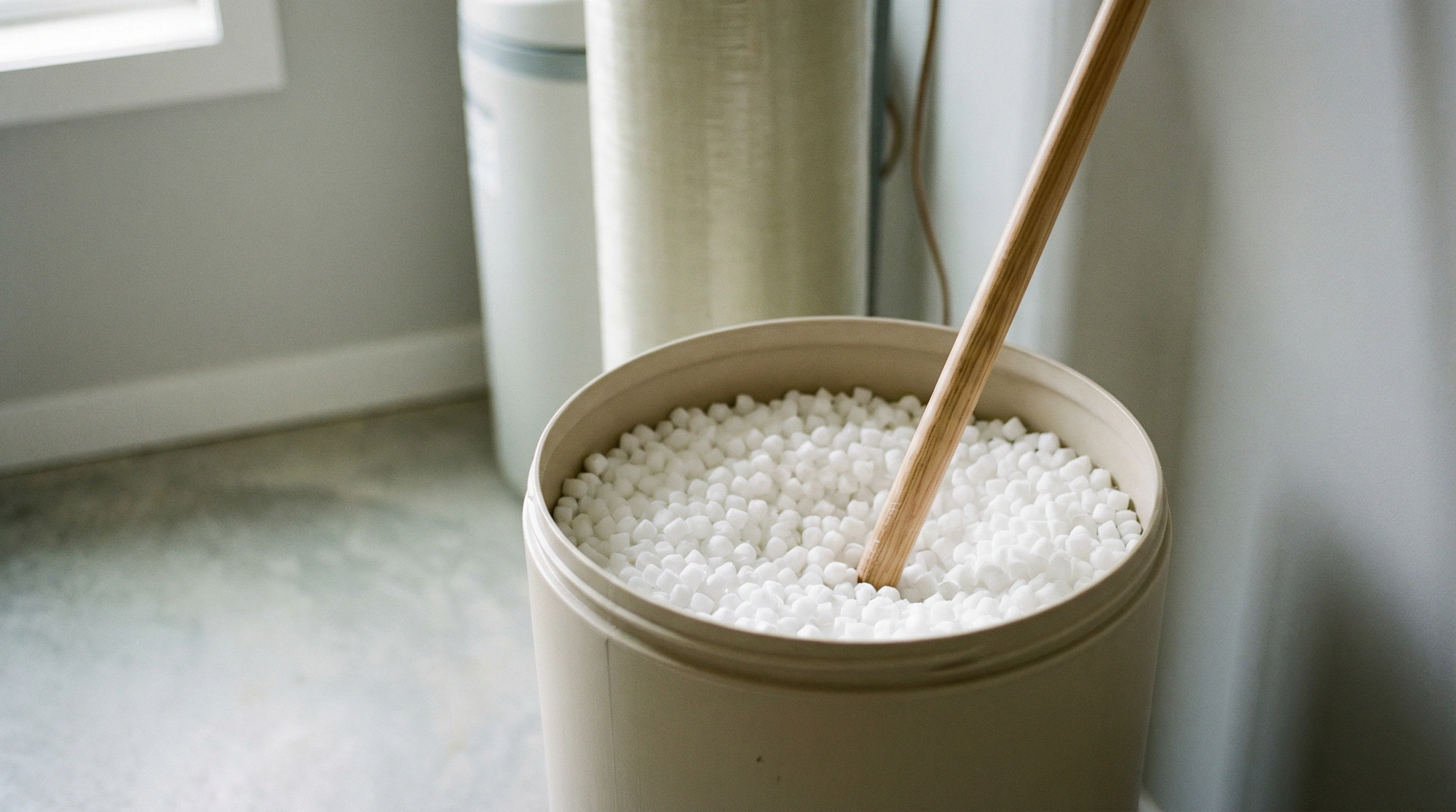
Whatever you buy, maintain it. Check salt levels. Clean the brine tank annually. Replace sediment pre-filters. These arent set-and-forget systems. For the full picture on testing, treatment, and upkeep, see our hard water solutions guide. We also have a complete guide on water softener maintenance if you want the detailed breakdown.
If keeping track of water softener maintenance, filter changes, and salt refills sounds like exactly the kind of thing that slips through the cracks, thats what we built Homevisory for. Its a Homevisory home task manager that reminds you when stuff needs to be done so you dont end up with a fouled resin bed and orange bathtubs. Free to sign up. Thats what we do here at Homevisory.