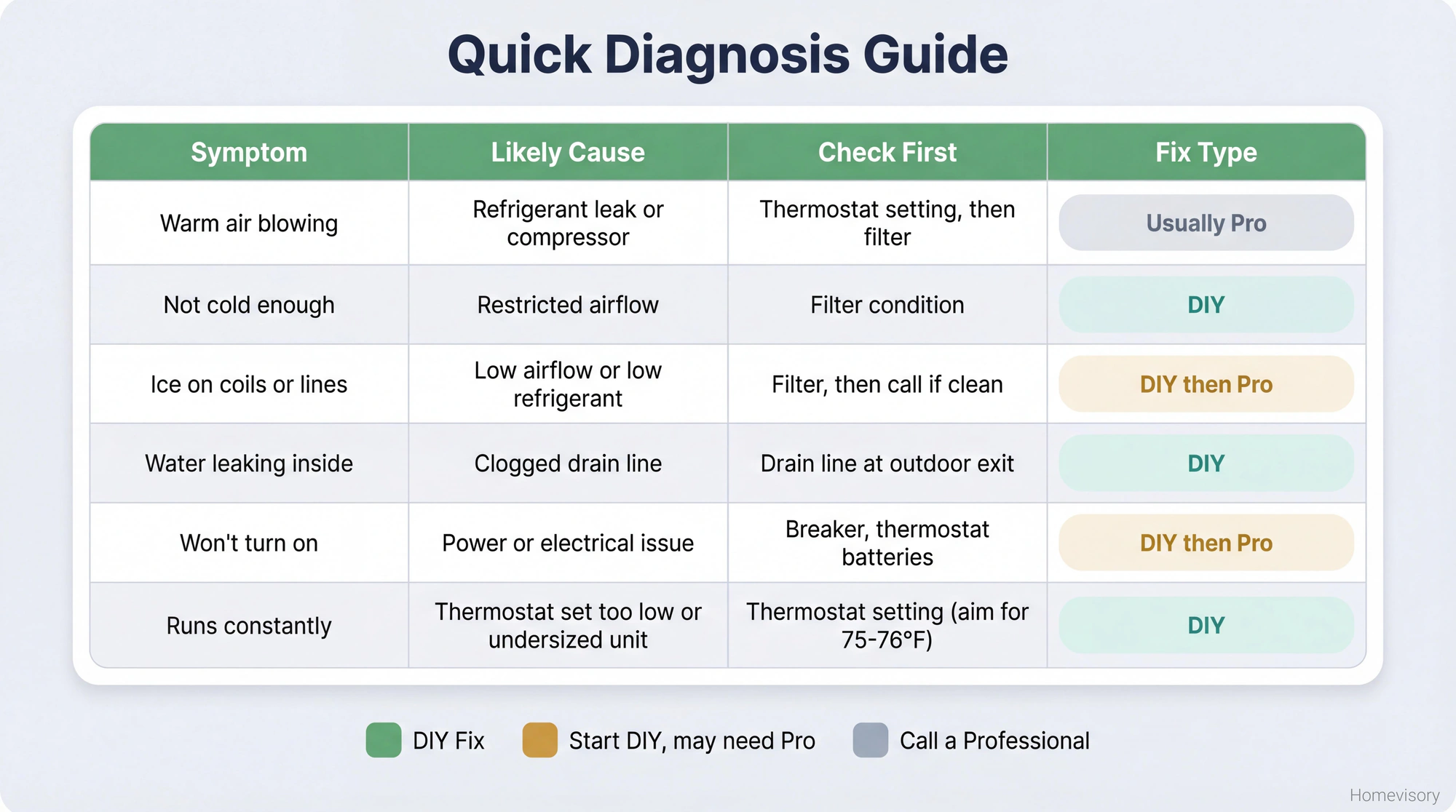
Look, if your AC is blowing hot air right now, I get it. Its July or August, youre sweating, and youre searching for answers instead of calling someone because you want to know if this is a $20 fix or a $2,000 problem.
Most of the time its the $20 fix. Sometimes its not. Heres how to figure out which one you’re dealing with.
The Filter (Just Check It)
I know. Everyone says check the filter. You’ve heard it a thousand times. You’re probably rolling your eyes right now because you want me to tell you something you don’t already know.
Check the filter anyway.
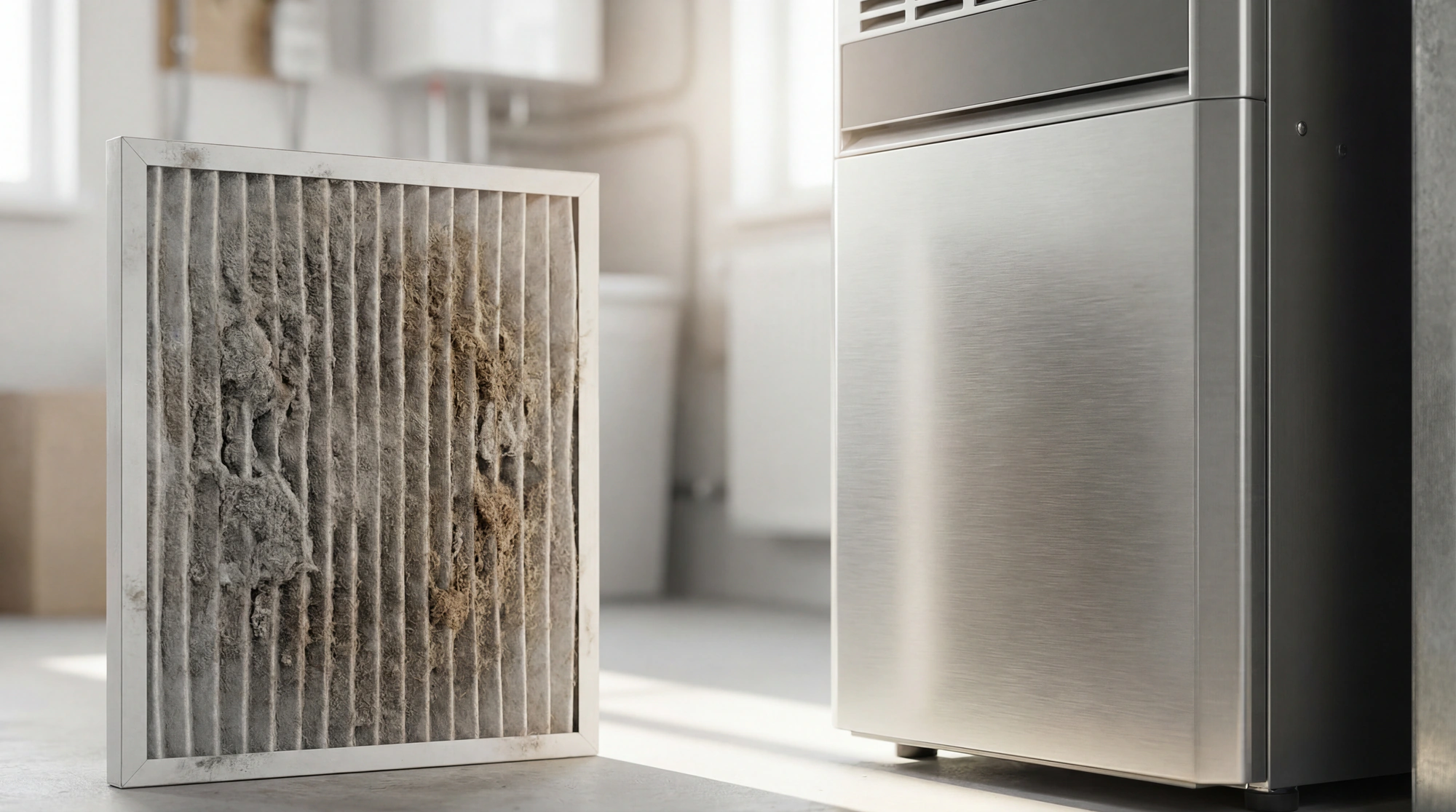
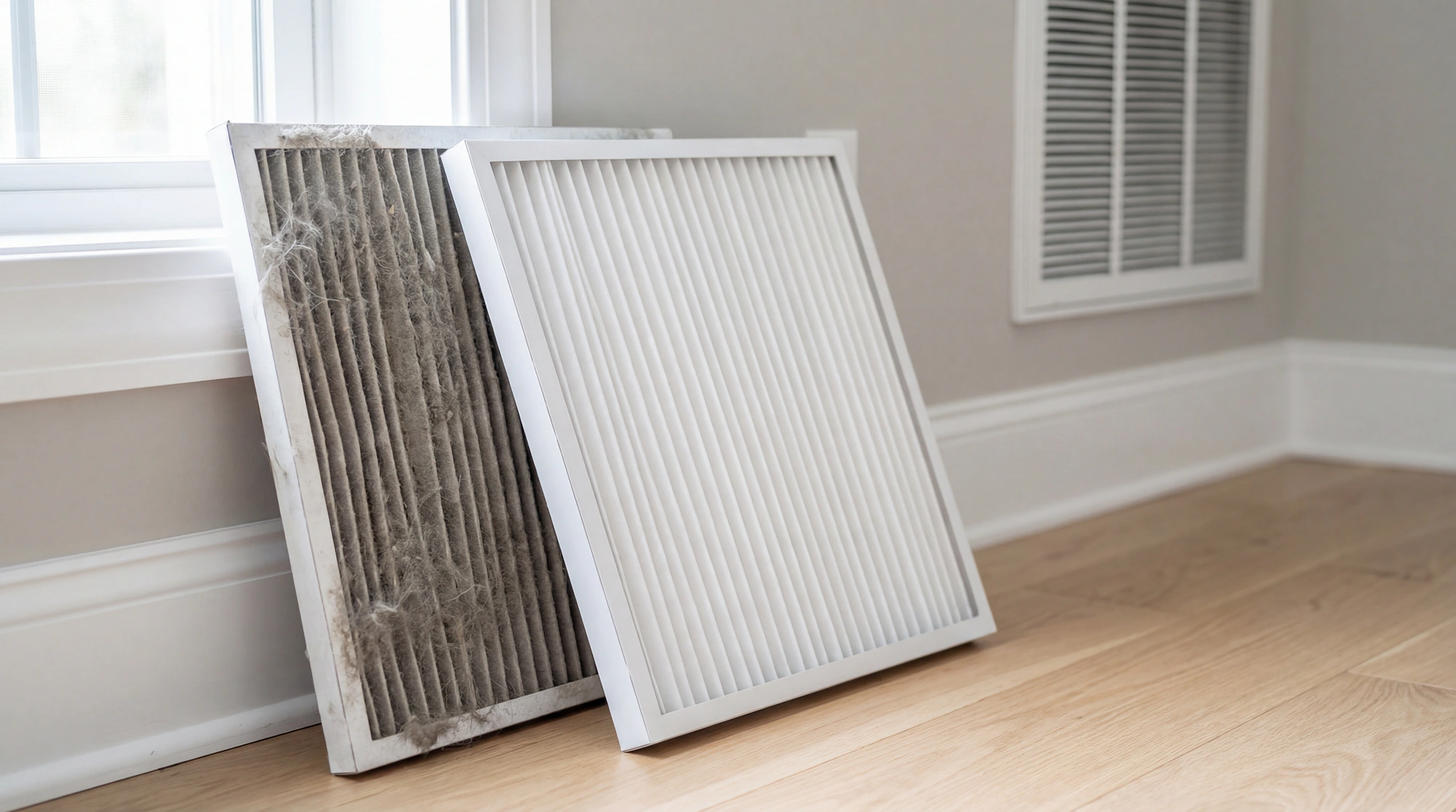
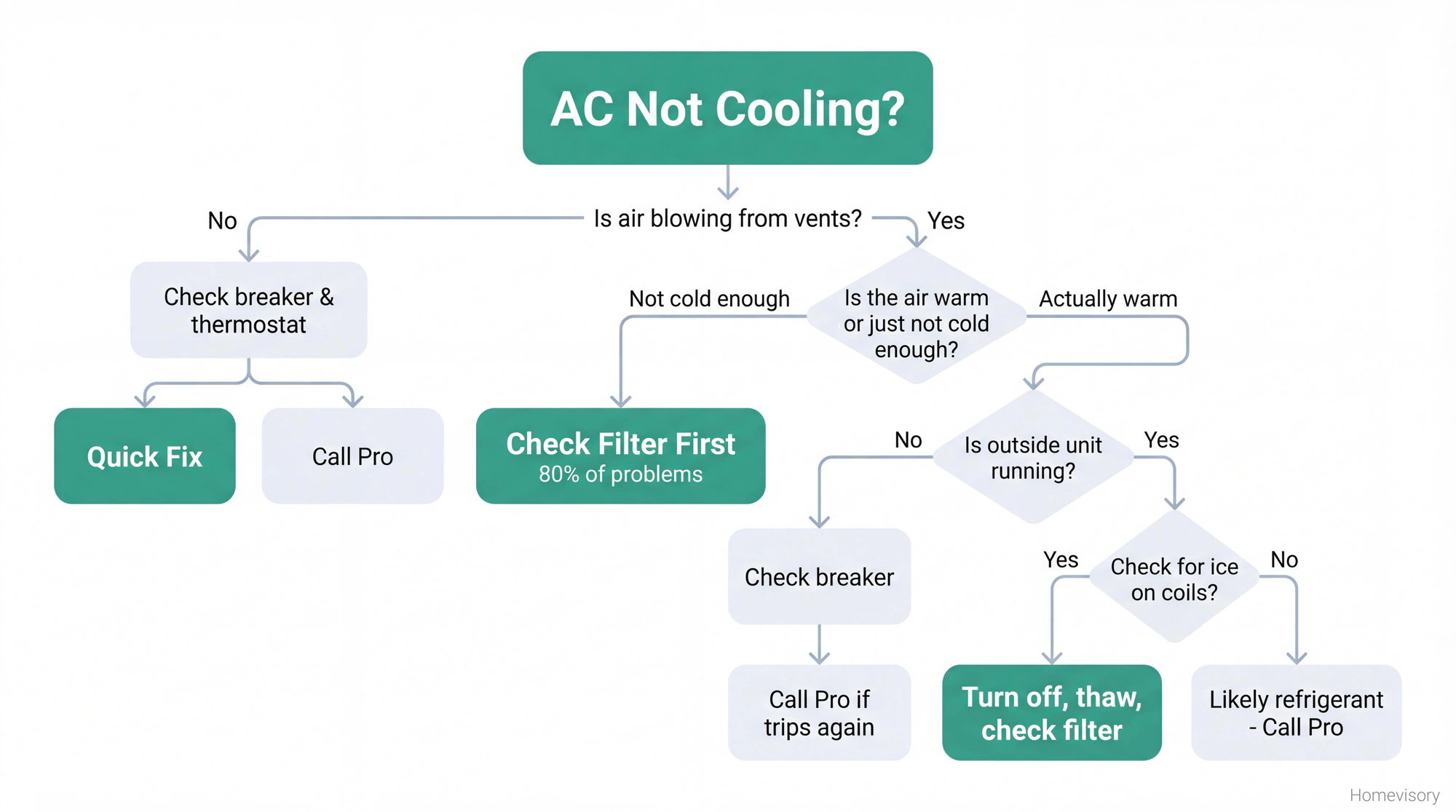
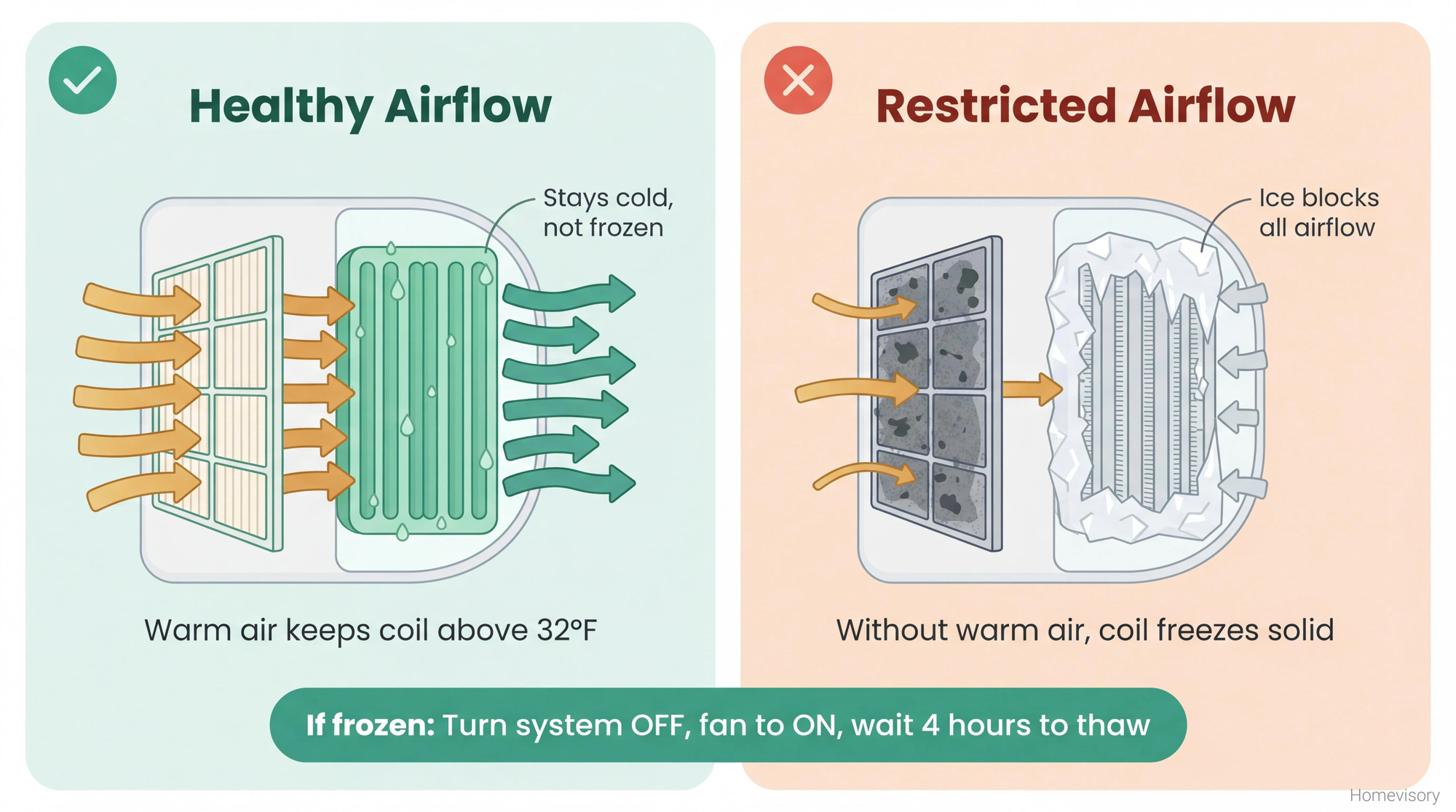
I cannot tell you how many times I’ve talked to someone who swears up and down that their AC is broken, the whole system needs to be replaced, something is seriously wrong, and then I ask when they last changed the filter and there’s this long pause. That pause tells me everything. The filter is the answer to why is my ac not cooling about eighty percent of the time and I’m not exaggerating that number. When the filter is clogged your system cant pull enough air through and the evaporator coil gets too cold because theres not enough warm air passing over it and then it freezes and then you get no cooling at all or you get warm air because the system is basically suffocating itself. The filter is fifteen dollars at Home Depot. Fifteen dollars. People will spend three hundred on a service call before they’ll spend fifteen on a filter and I dont understand it but I see it constantly.
Pull your filter out right now. Hold it up to a light. If you can’t see light through it, that’s your problem.
Change it. Wait four hours for any ice to melt if there was ice. Turn the system back on.
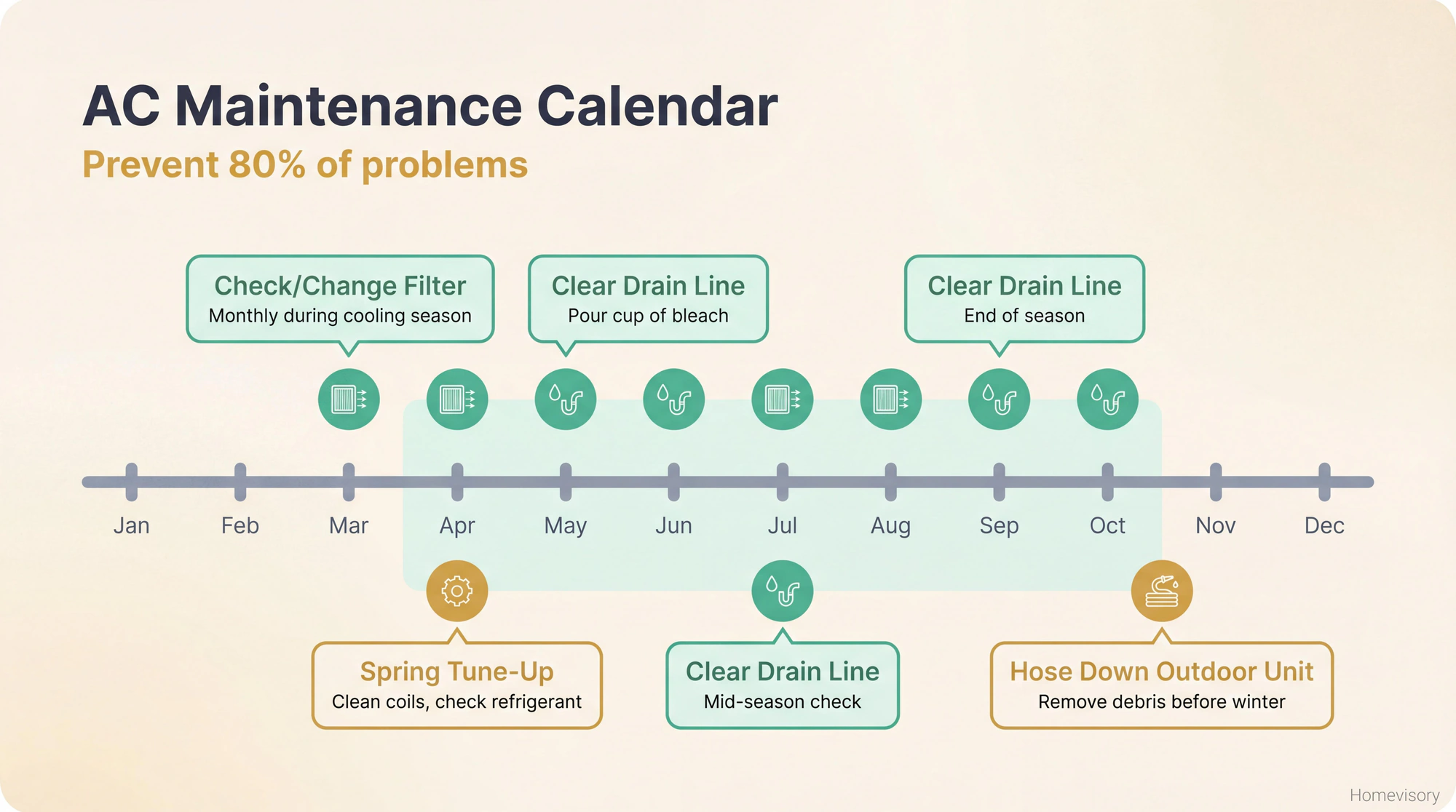
Done. For more on filter schedules, check our guide on how often to change your HVAC filter.
Is It Actually Blowing Hot Air or Just Not Cold Enough
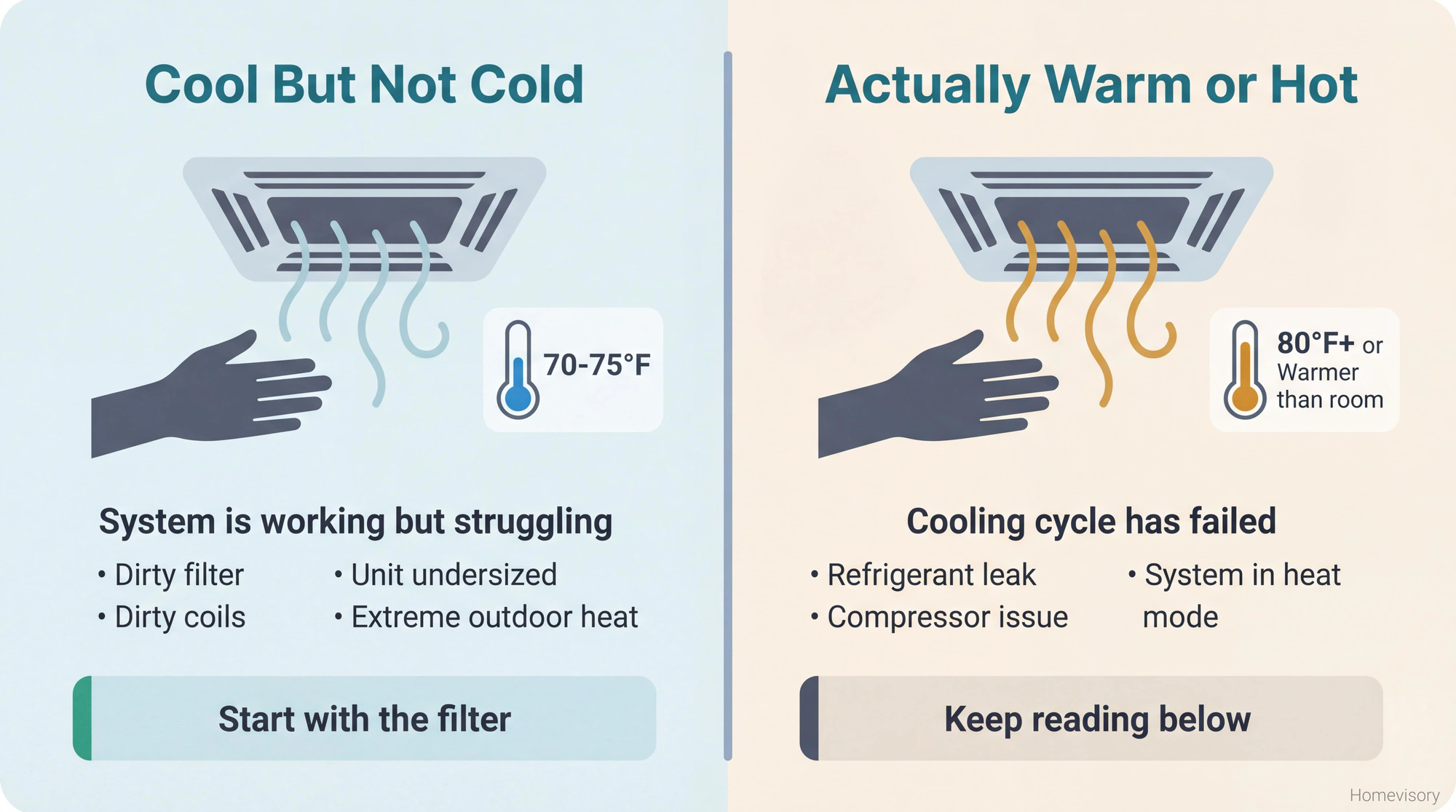
This matters. Theres a difference between why is my ac blowing hot air and “my AC is running but it’s not as cold as I want.”
Hot air means something is wrong with the cooling cycle. Could be refrigerant, could be compressor, could be the system is in heat mode somehow.
Not cold enough usually means the system is working but struggling. Dirty coils. Dirty filter. Undersized unit. Outside temperature too extreme.
Put your hand on the vent. Is the air actually warm, like warmer than the room temperature? Or is it cool but not cold?
If its cool but not cold, start with the filter. If its actually warm or hot, keep reading.
Thermostat Issues
Is it set to cool. Is the fan set to auto instead of on.
I have to ask because I’ve driven to people’s houses and the thermostat was set to heat. In August. Someone bumped it. The kids were messing with it. Whatever.
Also check the batteries if it’s a battery-powered thermostat. Dead batteries mean the thermostat cant tell the system what to do.
Moving on.
Why Is My AC Freezing Up
This one surprises people. Your AC is supposed to make cold air, so why would ice be a bad thing.
The evaporator coil, the one inside your house, gets cold. Really cold. But it’s supposed to have warm air constantly passing over it. That warm air keeps the coil from dropping below freezing. If airflow is restricted, the coil temperature drops too far and moisture in the air freezes onto it.
Once you’ve got ice on the coil, you’ve got a block of ice preventing any air from getting through.
Causes:
- Dirty filter (told you)
- Dirty evaporator coil
- Blower motor not working
- Low refrigerant
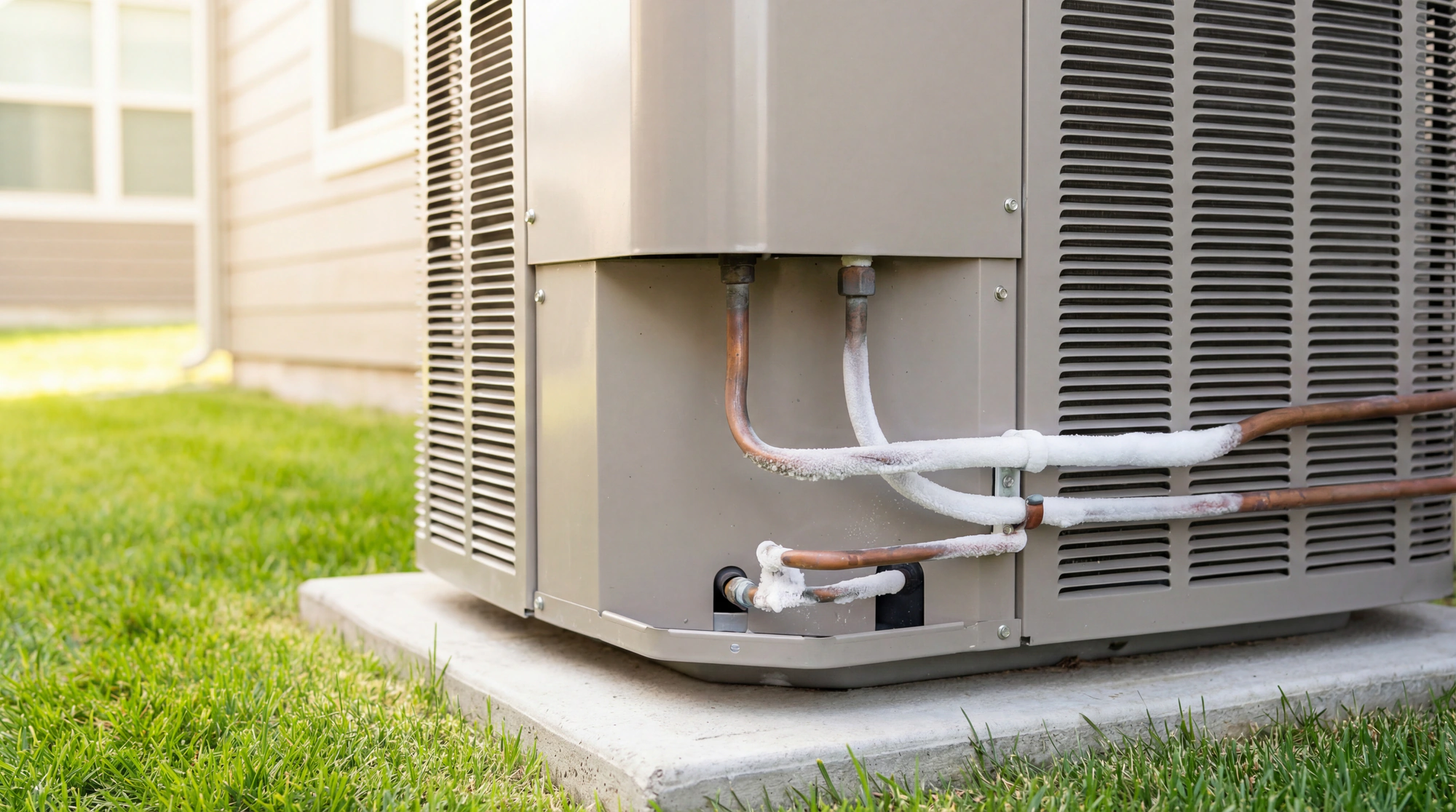
If you see ice on the indoor unit or the refrigerant lines, turn the system off. Set the fan to ON so it runs without cooling. Let everything thaw. This takes a few hours. Then address the root cause.
If its the filter, change it. If its the coil, you might need someone to clean it. If its refrigerant, you definitely need someone.
The Outside Unit
Go look at your condenser unit. The big box outside.
Is it running? You should hear the fan and possibly the compressor humming.
If it’s not running at all, check your breaker panel. Sometimes the breaker trips. Reset it once. If it trips again, stop, because something is causing it to trip and you dont want to keep forcing it.
If it’s running but the fan isn’t spinning, that’s usually a capacitor or motor issue. I’m not getting into capacitor replacement here because you can get shocked and I don’t want that on my conscience. Call someone.
If it’s running and the fan is spinning, look at the coils. Are they covered in dirt, leaves, cottonwood fluff, whatever else blows around your yard? The outside unit dumps heat. If it cant dump heat because the coils are blocked, the whole system struggles.
Hose it down. Gently. From the inside out if you can, so you’re pushing debris away from the coils instead of further into them.
Refrigerant and the Stuff You Cant Fix Yourself
My dad Curtis worked in a factory for thirty-something years. He used to say the machine tells you what’s wrong if you listen. He was talking about industrial equipment, big presses and conveyors and stuff I never worked on, but it applies to everything.
Your AC is telling you something.
If you’ve got good airflow, clean filter, outside unit running fine, thermostat set correctly, and you’re still getting warm air, you’re probably low on refrigerant. Refrigerant doesnt get “used up” in a healthy system. If you’re low, you have a leak.
This is where I tell you to call someone.
I spent some time working jobs in Chicago during my travel years, commercial renovation stuff, and I remember my first winter there thinking I understood cold because I grew up in Atlanta and Texas. I did not understand cold. There was a morning where my eyelashes froze together walking from the parking lot to the job site. My eyelashes. I learned a lot about HVAC that winter because those buildings needed serious heating and I was working alongside guys who actually knew what they were doing with refrigerant and compressors. But yeah.
The point is refrigerant work requires certification. It requires gauges. It requires knowing what youre doing. This isnt a filter change.
If someone tells you just buy a recharge kit from the auto parts store, ignore them. Those kits are for cars and even then theyre questionable. Your home AC is a closed system. If its low, something is leaking, and adding refrigerant without fixing the leak is throwing money away.
Why Is My AC Leaking Water
Two different kinds of leaking.
Water inside the house usually means the condensate drain is clogged. When your AC cools air, it pulls moisture out of the air. That moisture has to go somewhere. It drips into a pan and drains outside through a PVC pipe.
If that pipe is clogged with algae, mold, or debris, water backs up and overflows. You can usually clear it with a wet/dry vac on the outside drain opening. Some people pour a cup of bleach down the drain line every few months to prevent buildup. I do this. It takes thirty seconds.
Water, or actually ice, on the refrigerant lines outside means you’re back to the freezing issue. Low refrigerant or restricted airflow.
Why Is My AC Not Turning On
Breaker first. Then thermostat. Then check if theres a shutoff switch near the indoor unit that someone flipped.
Some systems have a safety float switch in the condensate pan that shuts everything down if water backs up. If your drain is clogged, the float switch might be killing power to prevent flooding.
If youve checked all that and nothing, its probably electrical. Contactor, capacitor, control board. I’m not getting into that. You need someone with a multimeter and knowledge.
When Its Actually the Compressor
If your compressor is dead, youll know because the outside unit will run, the fan will spin, but theres no cooling at all and the compressor itself is silent or making a clicking noise and shutting off.
Compressor replacement on an older system usually means its time for a new system. The compressor is the heart of the whole thing and replacing it costs almost as much as replacing everything.
This is the $2,000 problem I mentioned at the beginning. Sorry.
My Neighbor and His Electric Bill
I have a neighbor in Palm Beach who runs his AC at 68 degrees. Sixty-eight. In Florida. In August. And he complains constantly about his electric bill.
I’ve told him. Raquel has told him. His wife has told him. He won’t listen.
Your AC has limits. It’s designed to cool your house about 20 degrees below the outside temperature. If it’s 98 outside, expecting 68 inside means your system runs constantly, never cycles off, works itself to death.
Set it to 75 or 76. Use ceiling fans. Close blinds on the sunny side. Your system will last longer and your bill will be reasonable.
Whatever. His house, his money.
The Homevisory Thing
This is why I helped build the Homevisory task manager. Not because I think you’re stupid, because youre clearly not stupid if youre reading this and trying to fix it yourself. But because remembering to change the filter every month or three months or whatever your system needs, remembering to clear the drain line, remembering to hose down the outside unit, thats a lot to keep track of.
The task manager tells you when to do it. That’s it. You sign up, you set up your systems, it reminds you before things become problems.
Most AC problems I see are maintenance problems. The system was fine until someone ignored it for too long. The filter got clogged. The drain got blocked. The coils got dirty. Our complete HVAC maintenance checklist covers everything you need to do to prevent these issues.
You can sign up free at Homevisory. Let us help you remember the stuff that’s easy to forget.
Ready to stay on top of your home maintenance? Sign up for the Homevisory home task manager - it’s free.