The Panic Moment
Your toilet wont flush and you’re standing there holding the handle like maybe if you try it again, different this time, it’ll work. It wont. That’s not how toilets work. But I get it. Theres something uniquely stressful about a toilet that wont flush, especially if you’ve got company coming over or kids lined up outside the bathroom door.
The good news is that most of the time when a toilet wont flush, the fix is something you can handle yourself in under twenty minutes. The bad news is people make it worse by doing the wrong thing first, usually plunging when the problem isnt a clog, or flushing repeatedly and flooding their bathroom.
So lets figure out what’s actually going on.
Start With What You Can See
My old woodshop teacher Mr. Davis used to say, about troubleshooting anything, he used to say “every problem has a diagnostic order.” Start with the simple, move to the complex. Dont skip steps and dont assume you know the answer before you’ve checked. He was talking about joinery but it applies to toilets too.
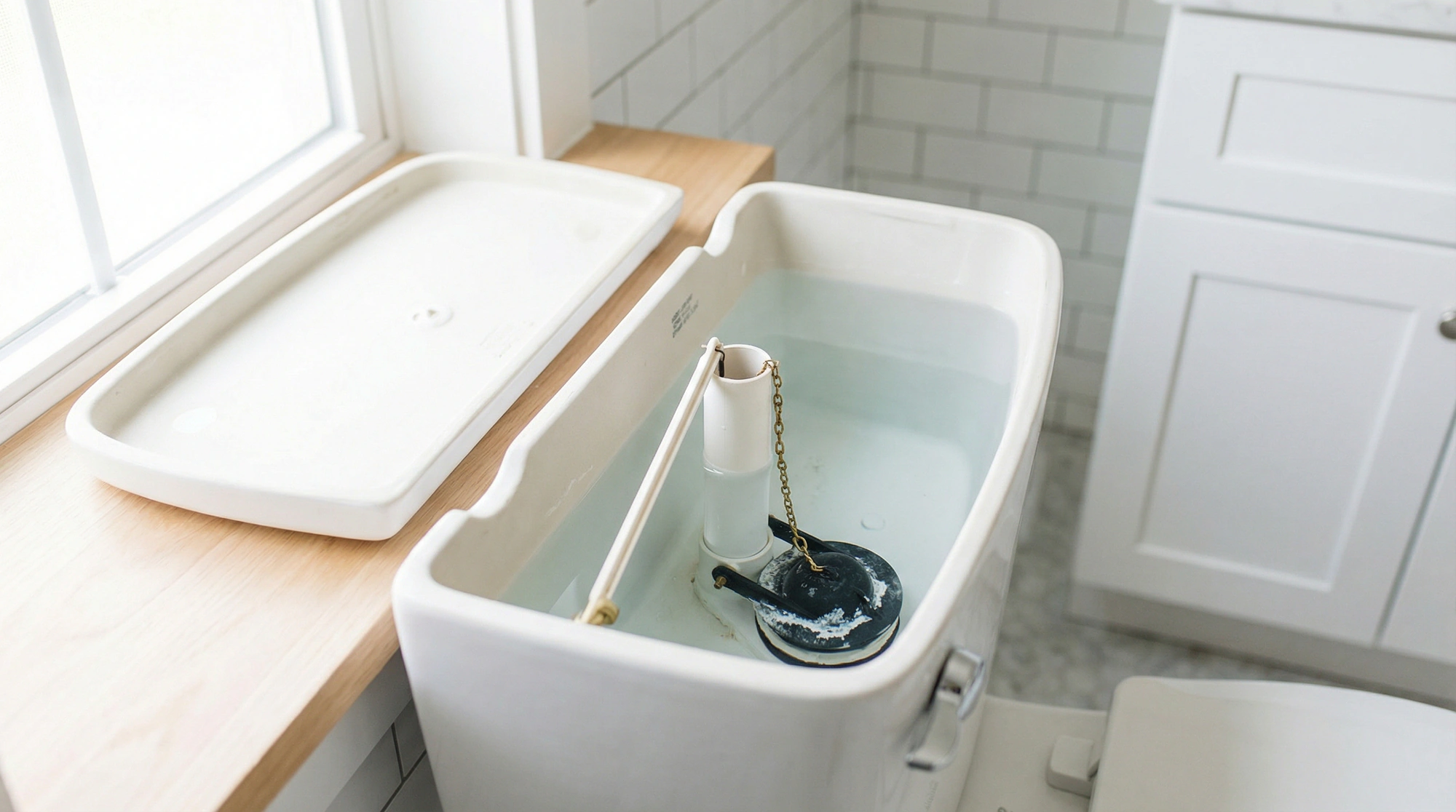
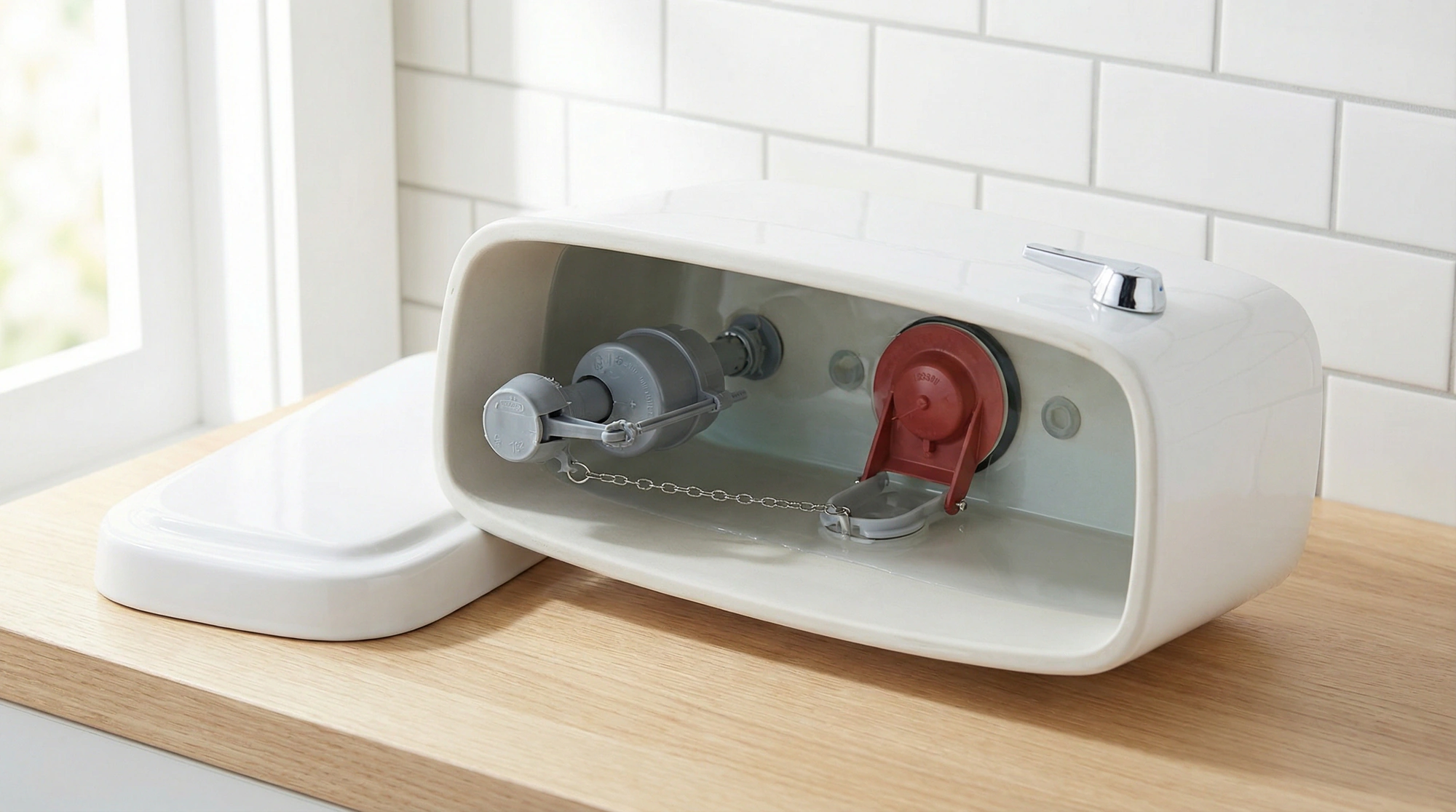
Take the tank lid off. Seriously, just lift it off and set it somewhere it wont fall. Ceramic breaks. Now look inside. Is there water in the tank? Is it filled to about an inch below the overflow tube? When you push the handle, does anything happen inside?
These questions matter because a toilet that wont flush can mean three or four different things, and the fix depends on which one you’re dealing with.
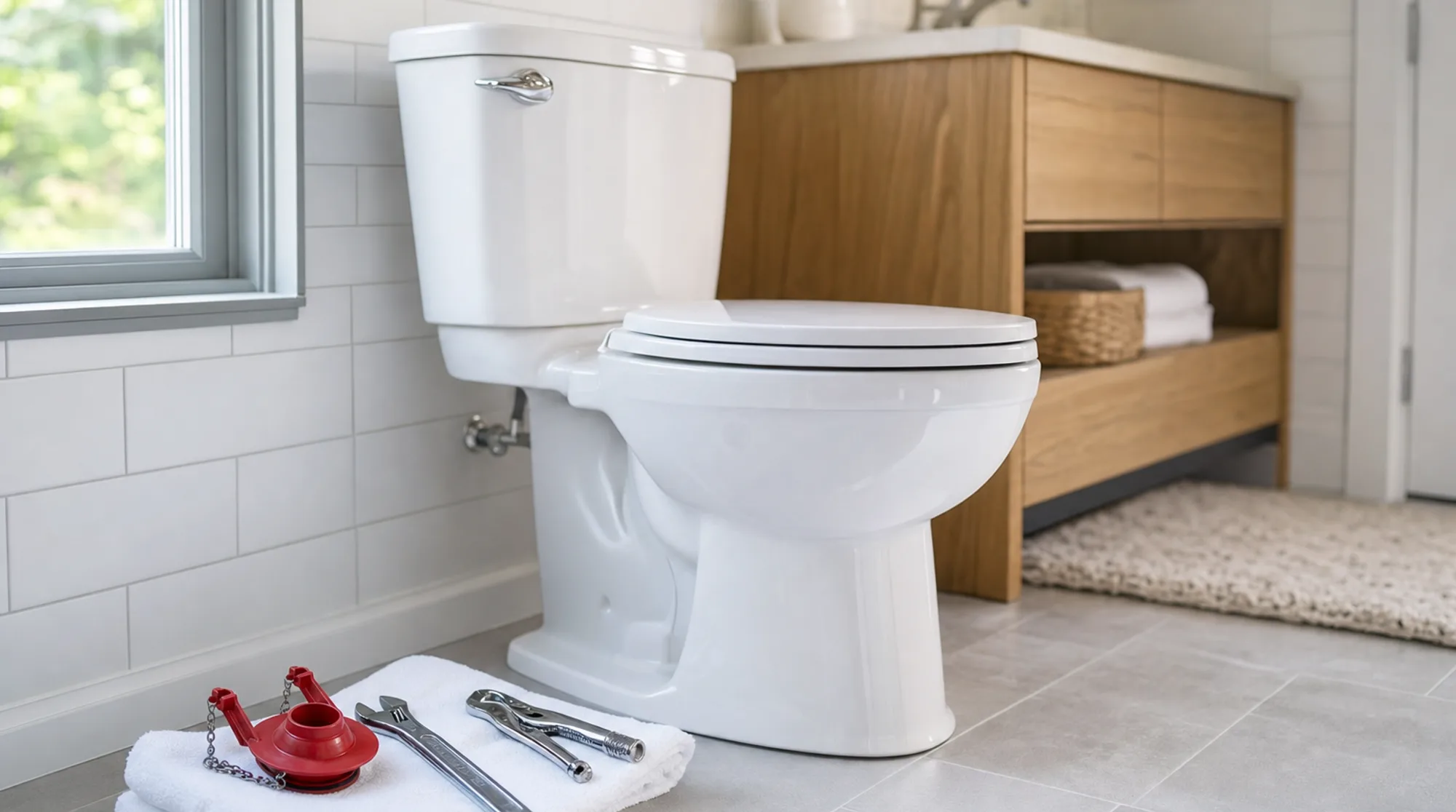
The Flapper
I’m going to spend more time on this than anything else because the flapper is the most common reason a toilet wont flush properly and most people dont even know what it is.
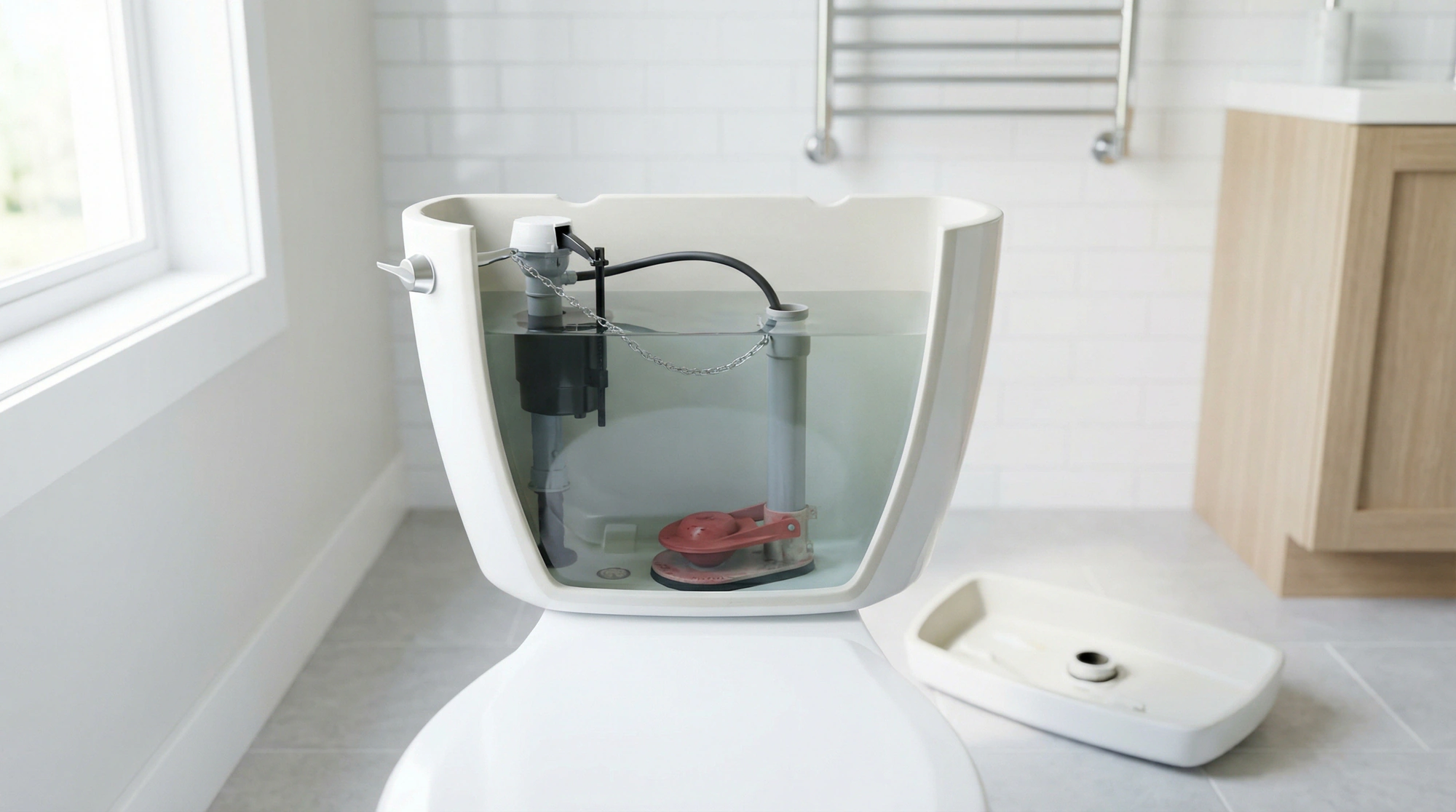
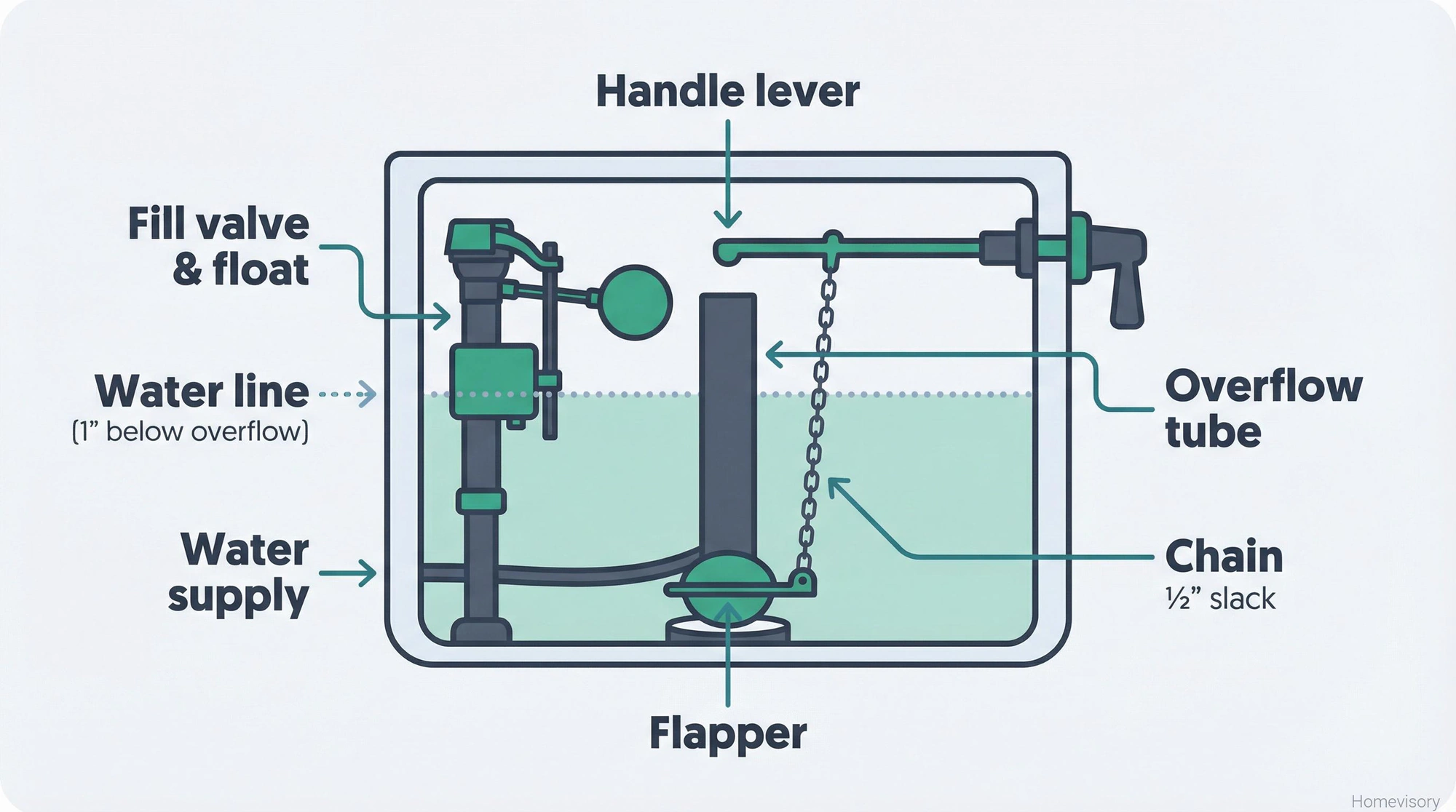
At the bottom of your tank theres a rubber piece that covers the drain hole. When you push the handle, a chain lifts this flapper, water rushes from the tank into the bowl, and thats your flush. When you let go, the flapper drops back down, the tank refills, and you’re ready for next time.
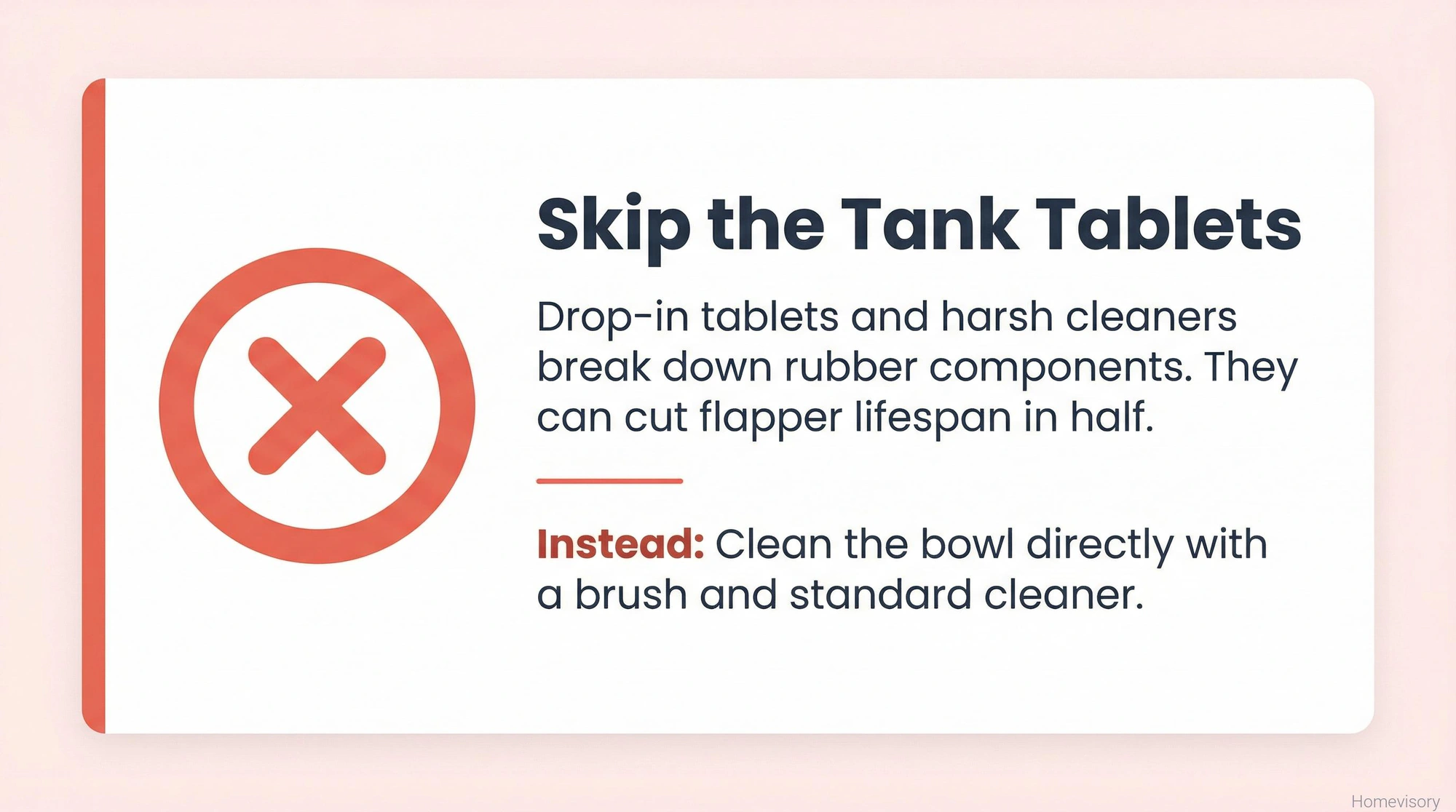
The problem is that flappers are made of rubber, and rubber degrades. It gets soft, warped, or develops mineral buildup that prevents a good seal. When this happens, water slowly leaks from the tank into the bowl, the tank never fills completely, and your flush is weak or nonexistent. According to HomeAdvisor, a good flapper should last four to five years, but drop-in tank tablets and harsh cleaners can cut that lifespan in half because they break down the rubber faster. I cannot stress this enough. Stop using those blue tablets. I know they make the water look like a swimming pool and you think they’re keeping things clean but they are slowly destroying the rubber components in your tank and then you’ll be calling me asking why your toilet wont flush. Just stop using them.
My sister called me last year, probably March, and she said her toilet “just stopped working.” Wouldn’t flush at all. I asked her if the handle felt loose or tight. Loose, she said, like it wasnt connected to anything. I told her to look at the chain. It had come unhooked from the handle lever. Took her thirty seconds to reattach it. That was the whole problem.
If your handle feels loose or floppy, check that chain. If the chain is connected but has too much slack, the flapper wont lift high enough for a full flush. Too tight, and the flapper cant seal properly, which causes that slow leak I mentioned. You want about half an inch of slack when the flapper is closed.
Replacing a flapper costs maybe eight dollars. You can get a universal one at any hardware store. Turn off the water supply, flush to empty the tank, unhook the old flapper, hook on the new one. Fifteen minutes.
The Fill Valve
If the tank isnt filling with water at all, or its filling too slowly, the problem is probably your fill valve. This is the tall thing on the left side of the tank with the float attached to it.
Here’s what to check. Is the float stuck? Sometimes they get hung up on something. Give it a little wiggle. Is water coming in at all when you turn the supply valve on and off? If no water is coming in, you might have a supply line issue or a failed fill valve.
Fill valves are maybe fifteen to twenty dollars and the install is a little more involved than a flapper but still doable. The EPA notes that older toilets can use as much as 6 gallons per flush, and if your fill valve is ancient, you might consider upgrading to a WaterSense model while you’re in there. But I’m getting ahead of myself.
The Clog Situation
Right. Clogs. According to Angi, clogs are the number one plumbing problem, which is not surprising to anyone who has raised teenagers.
Richard, my second kid, used to go through toilet paper like it was free. Half a roll per visit, I’m not exaggerating. I had a conversation with that boy multiple times about what a reasonable amount of toilet paper looks like and I dont think it ever stuck. He’s 22 now and I assume his roommates have the same conversation with him. Not my problem anymore. But yeah, excessive toilet paper is a clog cause, along with stuff that should never go down a toilet in the first place.
If the bowl is full of water and it wont drain, you have a clog. Now you can plunge. Use a flange plunger, not the cup-style one you use for sinks. The flange has that extra piece that folds out and creates a better seal in the toilet drain.
Cover the drain hole completely, push down slowly to get the air out, then plunge vigorously. Youre trying to create pressure that pushes the clog through. Give it maybe fifteen or twenty good pumps. Then check if water starts draining.
If plunging doesnt work, you can try a toilet auger. It’s a flexible cable that goes down the drain and either breaks up the clog or hooks onto it so you can pull it out. Not pleasant work, but effective.
Water Supply
This is embarrassing to include but I’ve seen it happen. The water supply valve, the little oval handle near the floor behind your toilet, might be turned off. Maybe someone closed it during a repair and forgot to open it. Maybe a kid was playing with it.
Turn the valve counterclockwise to open. Thats it. Moving on.
When the Problem is Bigger
Sometimes the issue is not in the toilet itself. Main sewer line problems, vent stack blockages, septic issues, these can all cause a toilet that wont flush or drains slowly. If youve got multiple fixtures backing up, or you hear gurgling in other drains when you flush, thats a system problem.
I’m not getting into that here. Call a plumber. Toilet repair costs average around $271, but if your main line is compromised, you’re looking at a completely different situation that requires someone with a camera scope and probably a backhoe. Not a Saturday afternoon project.
The Water Level Thing
If the water level in the tank is too low, you wont get a full flush. There should be a water line marked on the inside of the tank, or aim for about an inch below the overflow tube.
The fill valve has an adjustment, usually a screw or a clip on the float rod, that lets you raise or lower the water level. Turn the screw or move the clip, flush, see where the water settles. Adjust again if needed.
Its not complicated. But people overthink it because they dont understand that the water level in the tank is what creates the pressure for the flush. More water, better flush. Too little water, weak flush. Simple cause and effect.
What About Low-Flow Toilets
I get asked about this a lot. The EPA reports that toilets account for nearly 30 percent of an average home’s indoor water consumption, so yeah, efficiency matters. But the first generation of low-flow toilets from the early 90s had problems. They often required multiple flushes to clear waste, which kind of defeated the purpose of saving water.
Modern WaterSense toilets are different. The engineering got better. If you have an older low-flow toilet that constantly gives you trouble, it might be worth replacing rather than trying to fix a fundamentally weak design.
I remember my dad Curtis fixing our toilet in Atlanta when I was maybe eight or nine. He had me hold the flashlight, which looking back was probably just to keep me occupied, but I thought I was helping. He replaced something inside the tank and it took him maybe ten minutes. He didnt explain what he was doing. Men of that generation didn’t really narrate their work. They just did it. Anyway.
What To Do Right Now
If your toilet wont flush and you’re reading this hoping for the quick answer, here it is:
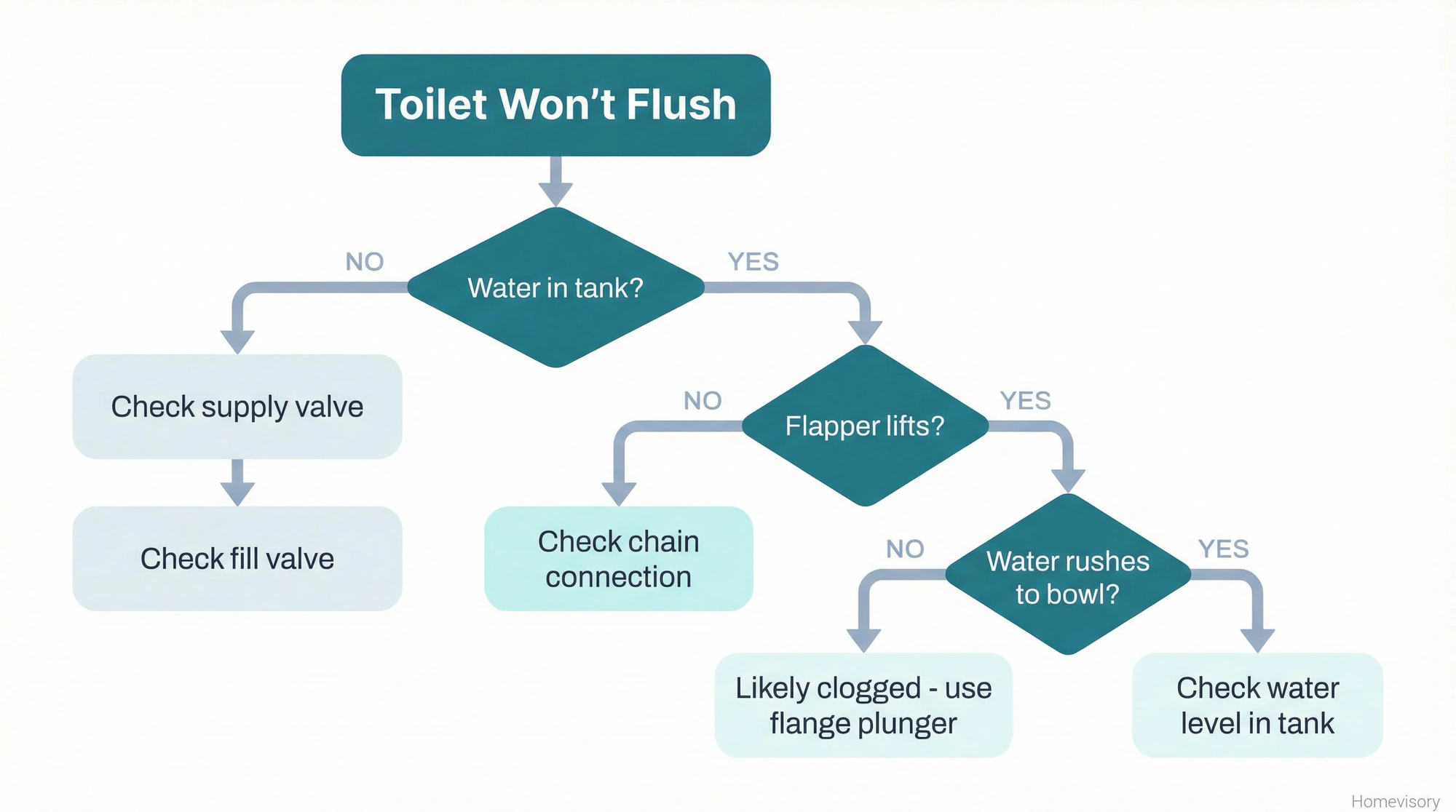
Take the lid off the tank. Is there water in it? No? Check if the supply valve is open and if the fill valve is working. Yes? Push the handle and watch what happens inside. Does the flapper lift? Does water rush into the bowl? If the flapper isnt lifting, check the chain. If the flapper lifts but water barely moves, you probably have a clog.
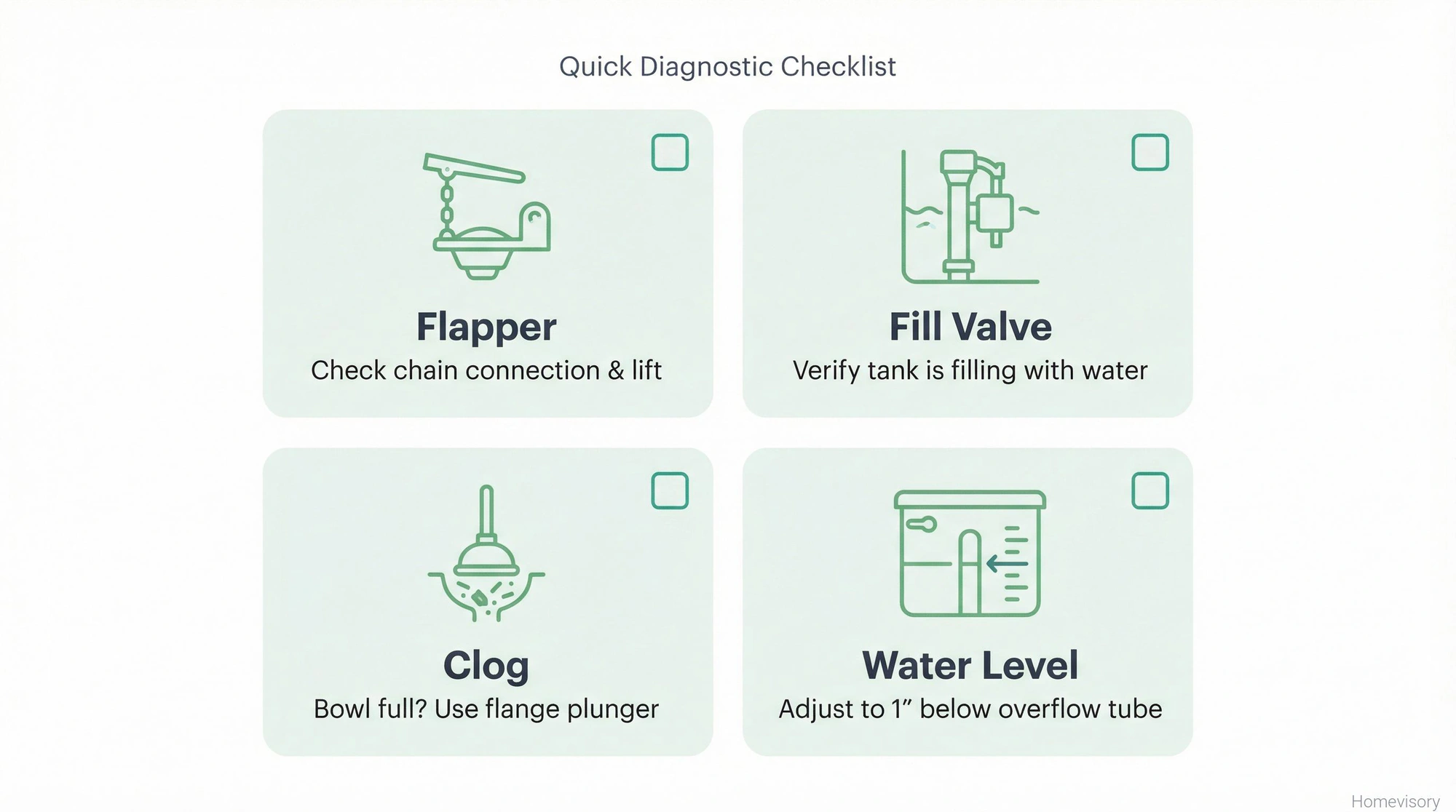
Most toilet problems are one of these things. Flapper, fill valve, clog, water level. Work through them in order. Dont call a plumber until youve checked the basics. Our complete toilet repair guide covers all of these in detail if you want the full breakdown.
Keeping Track
This is the kind of maintenance that’s easy to forget about until something goes wrong. You’re not thinking about your toilet flapper on a normal Tuesday. You’ve got other things to do. But checking these components once a year takes five minutes and saves you from standing in your bathroom at 7 AM wondering why your toilet wont flush when you’re already late for work.
That’s what we do here at Homevisory. We built a home management system that reminds you to check these things before they become emergencies. The faucet aerators, the flapper, the water heater anode rod, all the stuff that nobody thinks about until it fails. Its free to sign up and it takes the mental load off so you can focus on living in your house instead of constantly reacting to it.
You shouldnt have to remember everything. Let the system remember for you.