When Your Toilet Tank Wont Fill
You flush and nothing happens. Or worse, something happens but its that weak, pathetic trickle that takes ten minutes to refill. A toilet tank not filling is one of those problems that seems like it could be a dozen different things but its usually one of three.
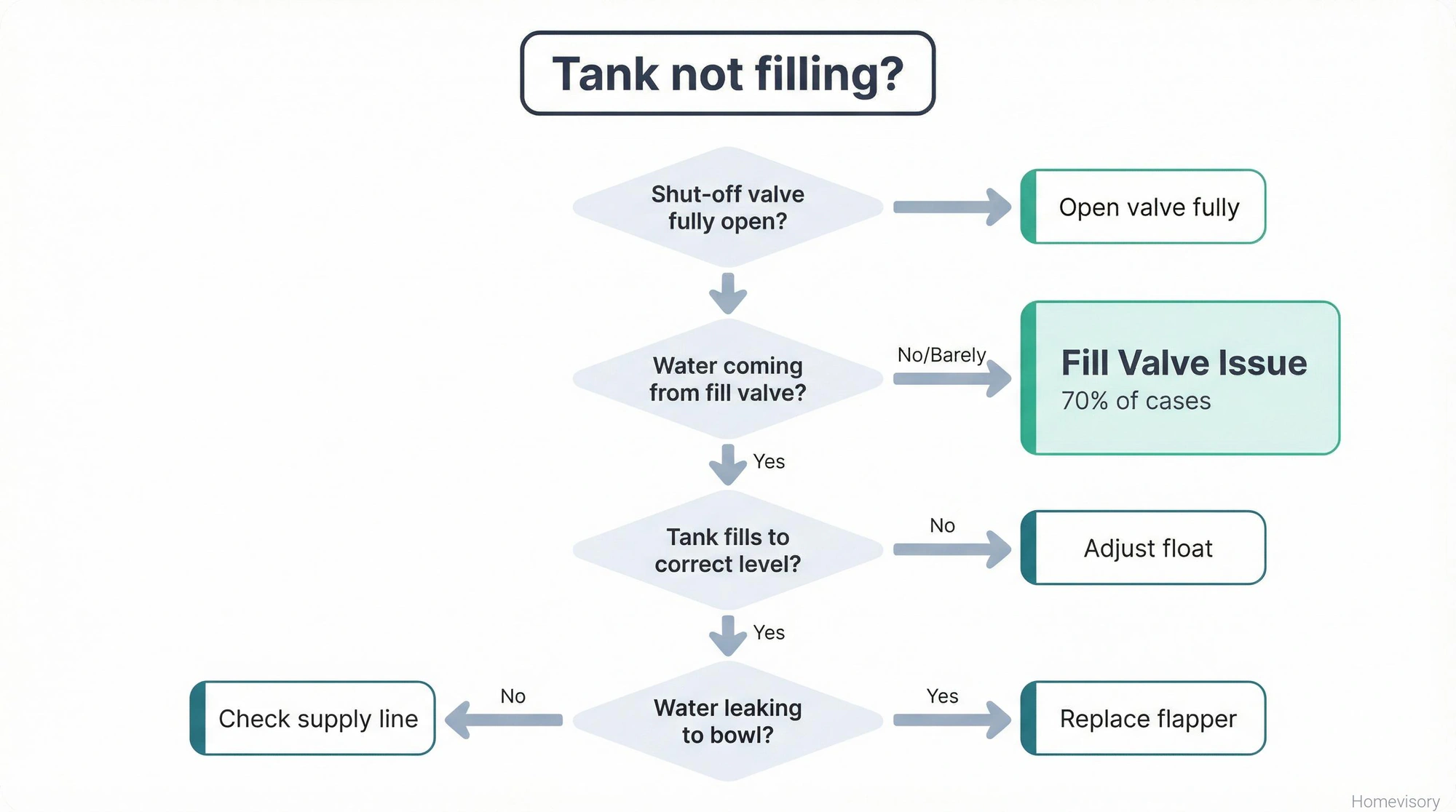
I’ve been fixing toilets for thirty years. Commercial buildings, residential, new construction, renovations, whatever. And I can tell you that when someone calls about a toilet tank not filling, I already know what Im going to find about 70% of the time. The other 30% is split between a few other causes, and maybe 2% is something actually weird.
My dad Curtis used to say something about his factory job, he’d say “check the simple stuff first before you tear the whole machine apart.” He was talking about assembly line equipment but it applies to everything. Especially toilets.
Start With the Shut-Off Valve
This is the part where I tell you to check whether the water is actually on, and you’re going to roll your eyes because obviously you already checked that. But I’m telling you anyway because I once drove forty-five minutes to a job site in Plano where a property manager swore up and down that the toilet was broken, and the shut-off valve was just closed. Someone had turned it off during a previous repair and never opened it back up.
The shut-off valve is on the wall behind or beside the toilet, near the floor. Turn it counterclockwise. All the way. If it’s stiff or doesn’t turn at all, thats a different problem, you might have a corroded valve, and you should probably replace it. But thats a side issue.
If the valve is open and you still have a toilet tank not filling, keep reading.
The Fill Valve Is Usually the Problem
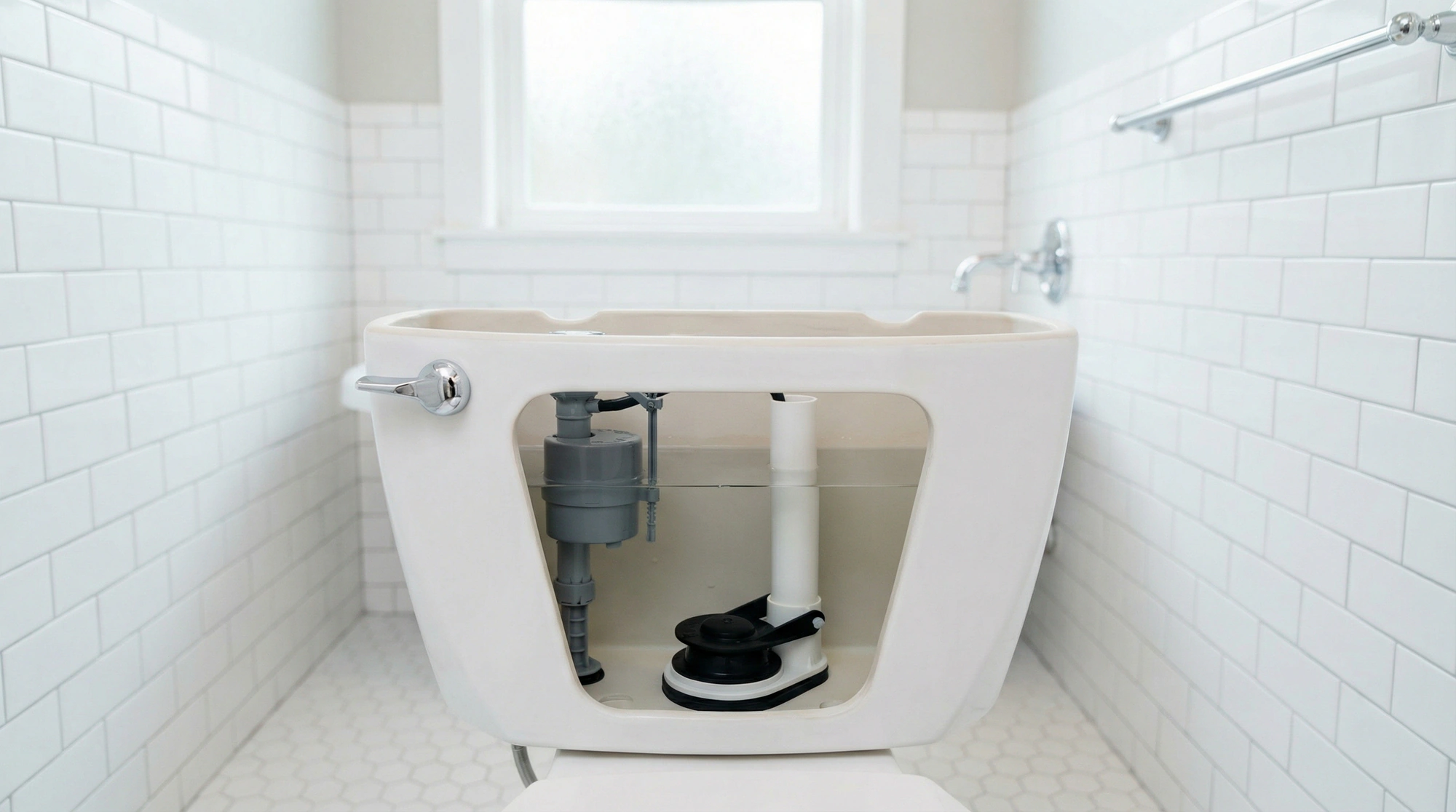
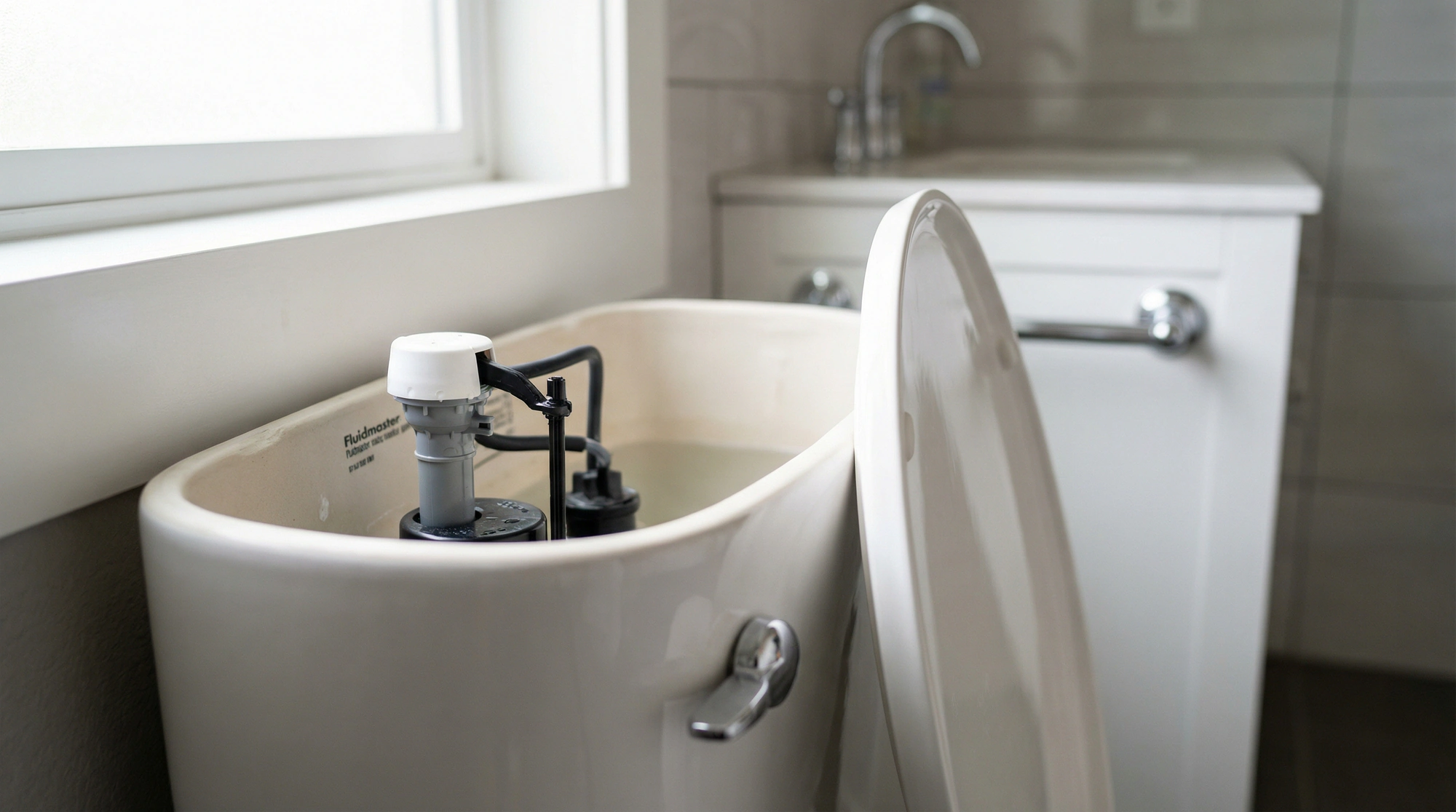
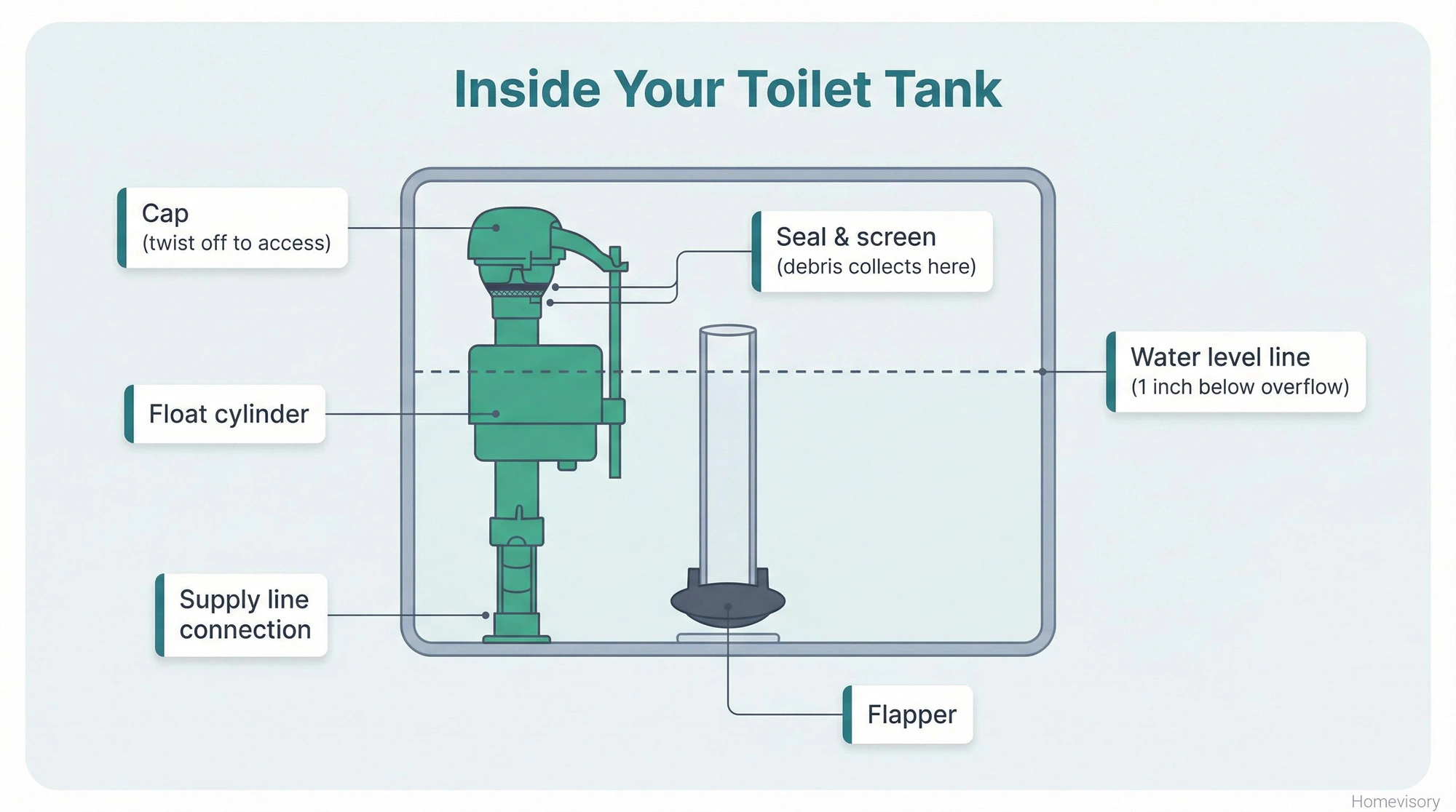
This is where I’m going to spend most of our time because the fill valve is the culprit more often than not and people always want to skip past it to something more complicated. The fill valve is the tall mechanism on the left side of your tank, its the thing that controls water flowing into the tank after you flush. When it fails, your tank either fills too slowly, fills to the wrong level, or doesnt fill at all. The symptoms depend on how its failing. Sometimes its a gradual thing where the valve gets clogged with sedite and mineral buildup over years and slowly loses flow. Sometimes its sudden, something inside breaks or a seal goes bad and you go from working toilet to problem toilet overnight. I’ve seen fill valves that looked fine from the outside but were completely gunked up inside with calcium deposits, especially in areas with hard water. Palm Beach has hard water. Atlanta did too. You get used to cleaning this stuff out.
Diagnosing it is pretty simple. Take the lid off your tank. Flush the toilet and watch what happens. If water isn’t coming out of the fill valve at all, or if its barely a dribble, there’s your answer.
Cleaning vs Replacing
You can try cleaning the fill valve first. Turn off the water supply, flush to empty the tank, then look at the top of the fill valve. Most modern ones have a cap you can twist off. Underneath is a seal and sometimes a small screen or filter. Debris gets trapped there. Rinse it off, put it back together, turn the water on.
Sometimes that works. Sometimes it doesn’t.
Here’s my honest opinion. Fill valves cost between eight and fifteen dollars at any hardware store. A Fluidmaster 400A, which is what I usually use, runs about ten bucks. If your fill valve is more than five years old and giving you trouble, just replace the whole thing. You can clean it, get another six months out of it, and then be dealing with the same problem again. Or you can spend ten dollars and thirty minutes and be done with it. The EPA’s WaterSense program notes that older toilet components often contribute to water waste, and a failing fill valve can let water run continuously without you even noticing.
How to Replace It
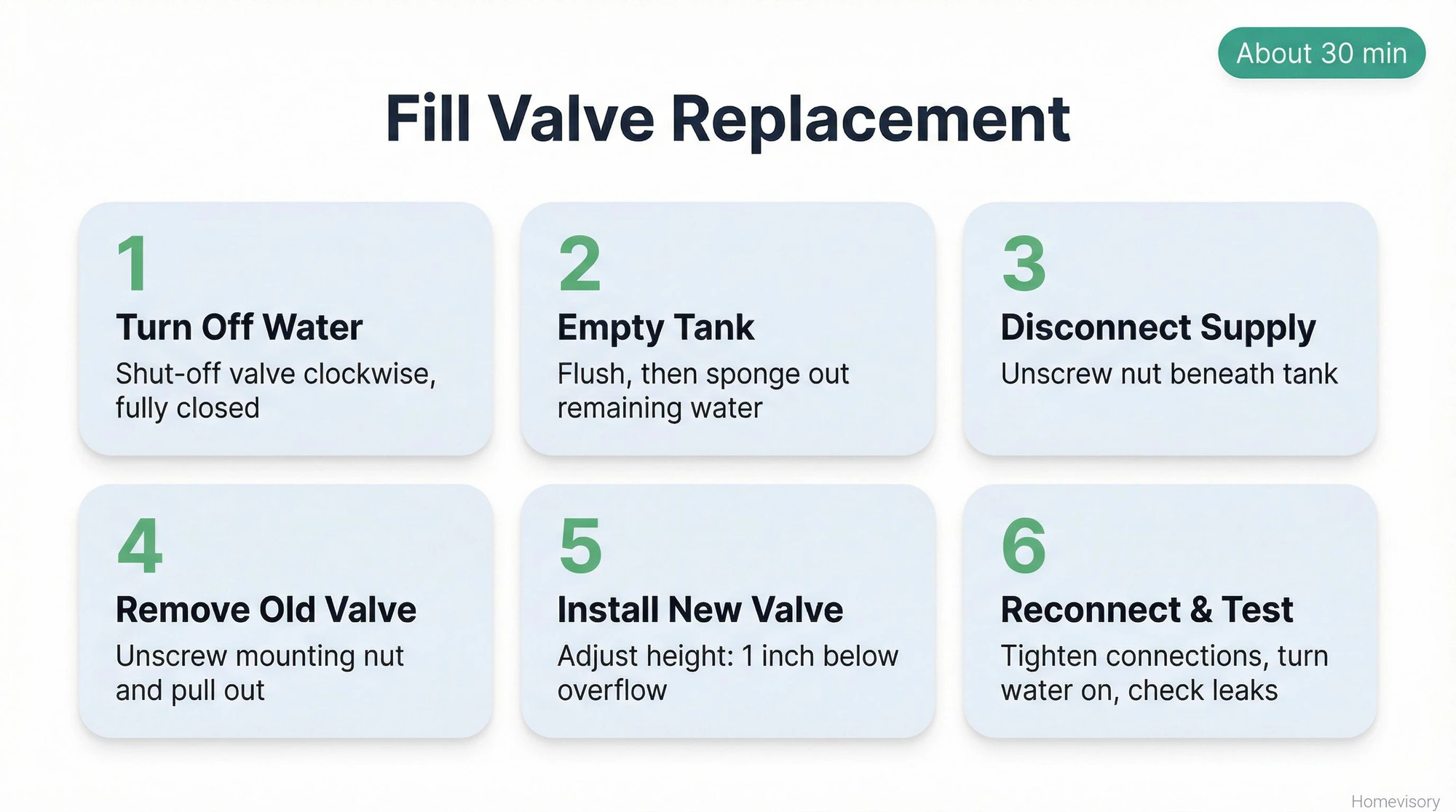
Turn off the water. Flush the toilet. Soak up whatever water is left in the tank with a sponge or towels. Disconnect the water supply line from the bottom of the fill valve, theres a nut underneath the tank. Unscrew the mounting nut and pull the old valve out.
Put the new one in. Adjust the height according to the instructions, it should be about an inch below the top of the overflow tube. Tighten the mounting nut, reconnect the supply line, turn the water on. Flush a few times and check for leaks.
I taught Richard how to do this when he was fifteen. His bathroom toilet was running constantly and I told him he could either pay me twenty bucks to fix it or I’d teach him to do it himself. He picked the lesson. Took us maybe forty minutes including me explaining everything twice and him dropping the mounting nut behind the toilet. He’s twenty-two now and has fixed toilets in three different apartments. Probably saved himself a couple hundred bucks in service calls. Anyway.
The Float and Water Level
If the fill valve is working but your tank isn’t filling to the right level, check the float. The float tells the fill valve when to stop, its either a ball on an arm or a cylinder that rides up and down on the fill valve itself.
If the water stops too low, your flush will be weak. If it doesn’t stop at all, water will continuously drain into the overflow tube and you’ll hear it running all the time.
Adjusting the float is easy. On a ball float, bend the arm down slightly to lower the water level or up to raise it. On a cylinder float, there’s usually a screw or clip that lets you slide it up or down. The water level should be about an inch below the top of the overflow tube. There’s often a line marked on the inside of the tank.
If the float is damaged or waterlogged, it won’t rise properly and your toilet tank not filling to the correct level is what you get. Replace it. On most modern fill valves the float is part of the assembly, so you’d replace the whole fill valve anyway.
The Flapper and Overflow
This is less about the tank not filling and more about why it seems like it’s not filling. If your flapper is bad, water leaks from the tank into the bowl constantly. The fill valve keeps trying to refill, but the water just drains away.
Put a few drops of food coloring in the tank. Wait fifteen minutes without flushing. If the color shows up in the bowl, your flapper is leaking.
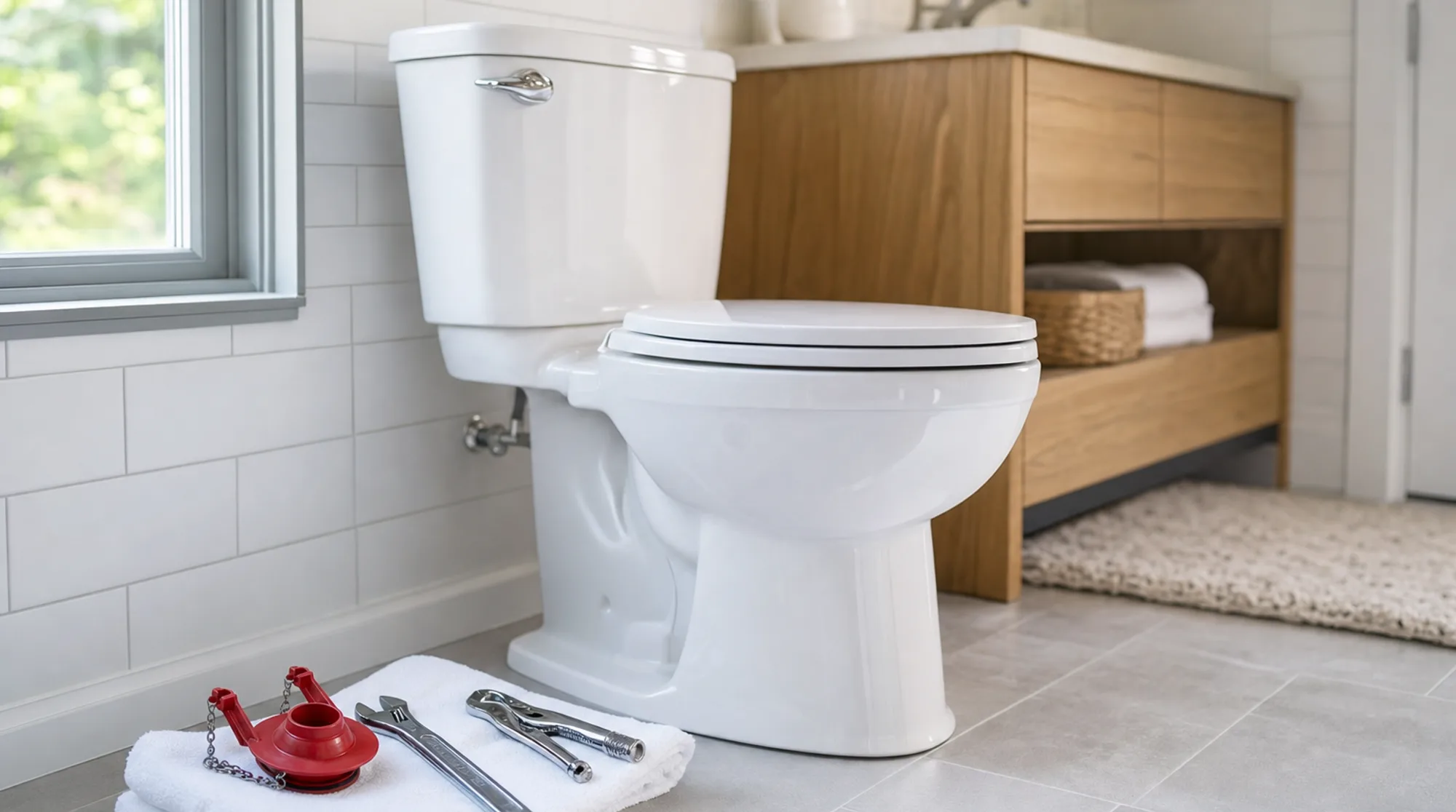
Flappers wear out. The rubber gets stiff, warped, or coated with mineral deposits. Whatever. Just replace it. Flappers cost three to five dollars and you dont need any tools. Unhook the old one from the mounting ears on the overflow tube, pull the chain off the flush lever, put the new one on. Done.
The Supply Line
The supply line is the braided or solid tube that connects the shut-off valve to the bottom of the fill valve. If its kinked, corroded, or clogged, water cant get to the tank.
Check for kinks. If you have an old chrome supply line thats been there for twenty years, consider replacing it with a braided stainless steel one. They’re more flexible, less prone to problems, and cost maybe six dollars.
Water Pressure Issues
If you’ve checked everything else and water is barely trickling into the tank, you might have a water pressure issue. This could be a problem with your home’s pressure regulator or an issue with the municipal supply.
Try other fixtures. Is the kitchen sink slow? The shower? If everything is slow, the problem isn’t your toilet, its your water supply.
Call your water company. I’m not getting into that here.
Moving on.
When to Call a Plumber
Most toilet tank not filling issues can be fixed by anyone with basic tools and an hour of patience. But there are times when you call someone.
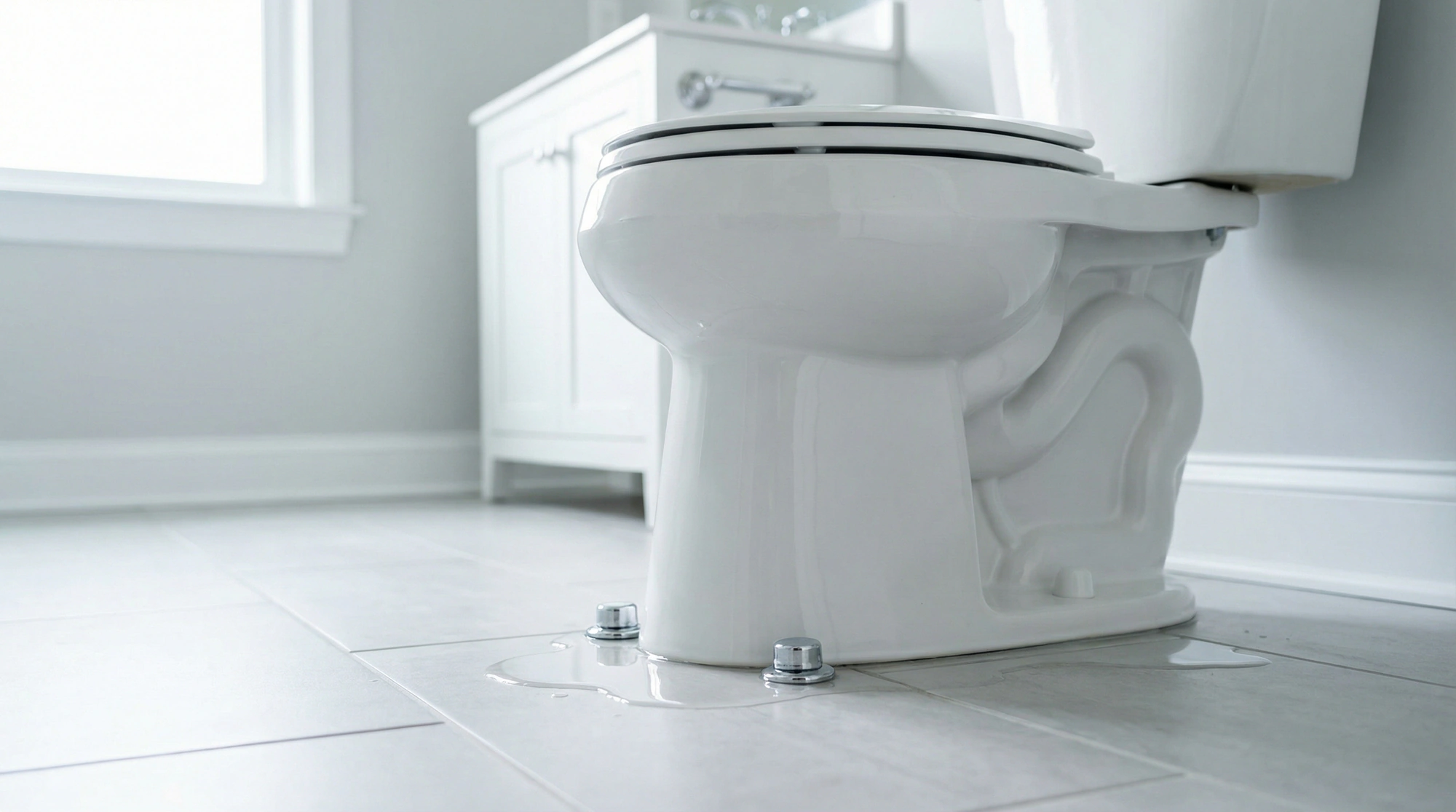
If you have water damage around the base of the toilet. If you suspect a problem in the wall behind the toilet. If you’ve replaced parts and the problem keeps coming back. If you’re not comfortable working with water supply lines.
The International Association of Plumbing and Mechanical Officials maintains codes and standards that licensed plumbers follow. I’m not saying you need a licensed plumber to replace a fill valve. I’m saying if you’re in over your head, there’s no shame in calling one.
Parts You Might Need
Here’s a quick list:
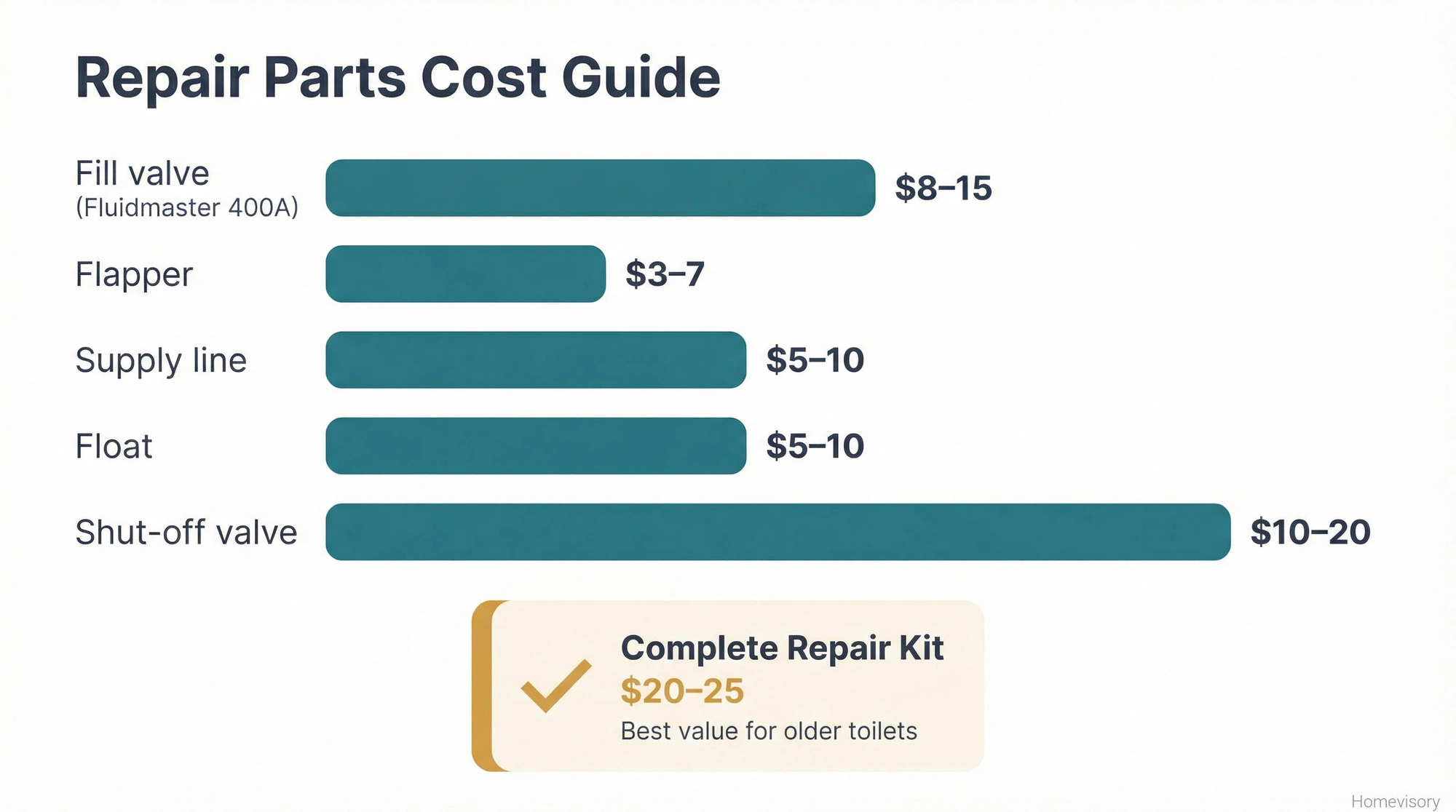
- Fill valve: $8-15 (Fluidmaster 400A is solid)
- Flapper: $3-7
- Supply line: $5-10
- Float (if separate): $5-10
- Shut-off valve (if replacing): $10-20
You can buy a complete toilet repair kit that includes the fill valve, flapper, and sometimes the supply line for around $20-25. Not a bad investment if your toilet is older and you’re already in there.
One thing that annoys me. Toilet manufacturers have gotten into this thing where they use proprietary parts. Specific flappers that only fit their toilets. Special fill valves with weird connections. Its frustrating because you used to be able to walk into any hardware store and grab a universal kit. Now you sometimes need the exact model number and have to order online. I get that companies want to sell their own replacement parts but it makes life harder for everyone. Gripe over.
Prevention
I’m not going to give you a whole lecture about maintenance because honestly most people don’t do it anyway. But if you want to avoid dealing with a toilet tank not filling in the first place, check the inside of your tank once a year. Look for mineral buildup, check that the flapper is flexible, make sure nothing is corroding.
If you have hard water, consider a water softener or at least clean your toilet components more frequently. Hard water affects roughly 85% of American homes according to the U.S. Geological Survey, so you’re probably dealing with some level of mineral buildup whether you know it or not.
And if something seems off, don’t ignore it. A toilet that takes forever to fill is going to keep taking forever to fill until you fix it. These things don’t get better on their own.
Toilet problems aren’t complicated. They’re just annoying. And if you handle them when they’re small, you don’t end up with a bathroom you can’t use on a Sunday morning when you have guests coming over. Ask me how I know. If youre dealing with more than just a filling issue, our complete toilet repair guide walks through every common problem.
If keeping track of home maintenance tasks feels overwhelming, Homevisory can help. Our free home task manager sends you reminders for seasonal maintenance, tracks what you’ve done, and helps you stay ahead of problems before they become emergencies. That’s what we do here at Homevisory.