
The White Film Nobody Wants to Talk About
Soap scum is one of those problems people pretend doesnt exist until company comes over. Then suddenly everyone’s scrubbing their shower at 10 PM like their life depends on it. I’ve been there. Everyone’s been there.
The stuff builds up so gradually that you don’t notice it happening. You’re showering every day, looking at the same glass door or tile wall, and your brain just adjusts. Then one day you actually look at it, really look, and you realize you’ve been standing in a haze of white film for months. Maybe years.
I’m going to tell you how to get rid of it and, more importantly, how to stop it from coming back. But first you need to understand what you’re actually dealing with because most people don’t, and thats why they keep buying products that don’t work.
What Soap Scum Actually Is
This is the part where most articles just say “soap scum is the residue left behind when soap mixes with water” and move on. Thats not wrong but its not helpful either.
Soap scum is what happens when the fatty acids in bar soap react with the minerals in your water, specifically calcium and magnesium. The technical term is calcium stearate or magnesium stearate depending on which mineral is more present in your water. This creates an insoluble compound, meaning it doesnt dissolve back into water, which is why running more water over it does absolutely nothing. It just sits there. Layer after layer, day after day, until you’ve got a coating that feels waxy and looks like someone frosted your shower doors with cream cheese.

If you have hard water, and about 85% of American homes do according to the USGS, this problem is significantly worse for you. Hard water has higher concentrations of dissolved minerals, so there’s more calcium and magnesium available to react with your soap. I lived in Texas for years and the water there is brutal. You could practically feel the minerals. My shower doors would film over in a week if I wasn’t staying on top of them. When I moved to Florida, which has its own hard water issues depending on where you are, I thought it would be different. It wasn’t. Water chemistry varies by region but most of the country is dealing with some level of mineral content.

Here’s something else nobody mentions. Body oils, dead skin cells, and whatever else washes off you in the shower mix into this compound. So soap scum isnt just soap and minerals. Its soap and minerals and you. Sounds gross because it is. The American Cleaning Institute notes that these organic compounds actually feed mold and mildew growth, which is why soap scum often has that pink or black tinge after a while. Thats biological growth on top of the mineral deposits.
My dad used to say, about something totally different, he said attack the problem while its small or it becomes your whole shift. He was talking about issues on the factory floor in Atlanta, machines that needed attention, that kind of thing. But it applies here perfectly. Fresh soap scum wipes off with a damp cloth. Month-old soap scum requires chemistry and elbow grease. Year-old soap scum might require a chisel. I’m exaggerating. Mostly.
The Best Soap Scum Removers (What Actually Works)
People overcomplicate this. There are three approaches that work and about forty products that claim to work but dont. I’ll tell you what I actually use.
Vinegar and Dish Soap
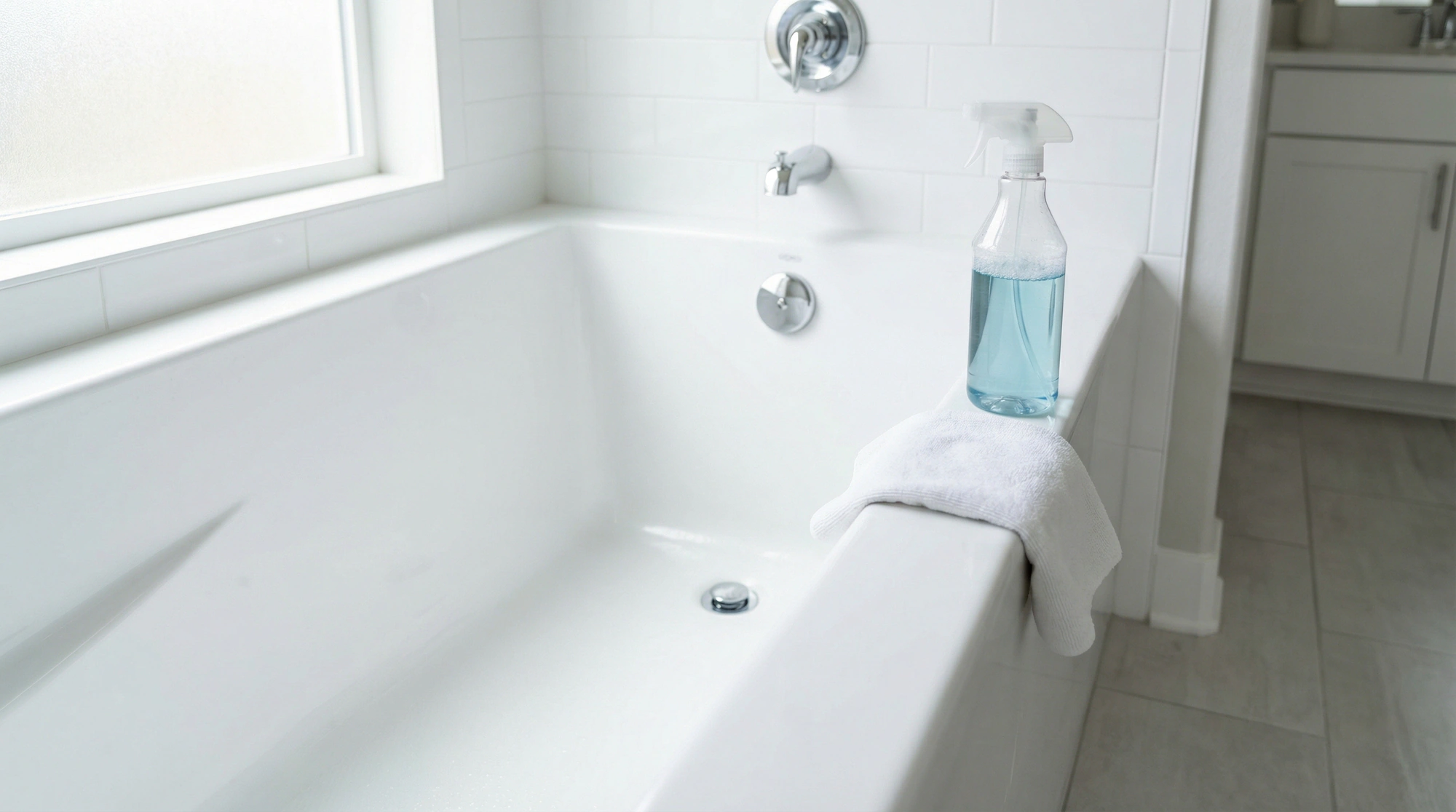
This is the one. The best soap scum remover for most situations is something you already have in your kitchen. Mix equal parts white vinegar and dish soap, specifically Dawn but honestly any dish soap works, in a spray bottle. Shake it up. Spray it on. Wait fifteen minutes. Scrub. Rinse.
The vinegar is acidic enough to dissolve the mineral deposits. The dish soap cuts through the oily residue and body oils mixed in. Together they handle both components of the soap scum compound. This combination has been recommended by everyone from university extension services to your grandmother and theres a reason it keeps getting passed around. It works.
I have to heat my vinegar in the microwave for about a minute before mixing. Warm vinegar works faster. Not boiling, just warm.
Commercial Acidic Cleaners
If vinegar isnt cutting it, you need something stronger. Products containing phosphoric acid or hydrochloric acid will dissolve heavy buildup faster. Bar Keepers Friend, Zep Shower Cleaner, Kaboom, these all fall into this category. The EPA’s Safer Choice program has labeled some bathroom cleaners that are effective while being less harsh, if that matters to you.
Read the labels. Some of these products will damage natural stone, certain metals, or colored grout. I ruined a soap dish in San Diego by spraying it with something I didnt read the label on. It was marble. The acid etched it. Looked like the surface of the moon.
Baking Soda Paste
For scrubbing power without scratching, make a paste with baking soda and a little water. This is mildly abrasive, enough to help lift deposits without damaging most surfaces. I use this on glass doors specifically because I don’t want to scratch them and glass is harder than most people think but I’m still careful.
What Doesnt Work
The essential oil sprays. The “natural” cleaners that are basically scented water. The stuff that costs twenty dollars and comes in a tiny bottle with a wellness brand label. Moving on.

Steam cleaners. Some people swear by them. I’ve never seen one do anything that elbow grease and vinegar couldn’t do better. If you want to buy one, fine. But dont expect miracles.
How to Actually Remove It
Here’s where most people mess up. They spray something on, wait thirty seconds, wipe once, and wonder why nothing happened. Soap scum removal is not fast. It requires contact time and mechanical action.
Spray your cleaner of choice, vinegar solution or commercial product, and let it sit. Fifteen minutes minimum. Twenty is better. For heavy buildup I’ll spray, wait twenty minutes, spray again, wait another twenty. The goal is to keep the surface wet with the cleaning solution long enough for the chemistry to happen. If it dries before its done working, you’re starting over.
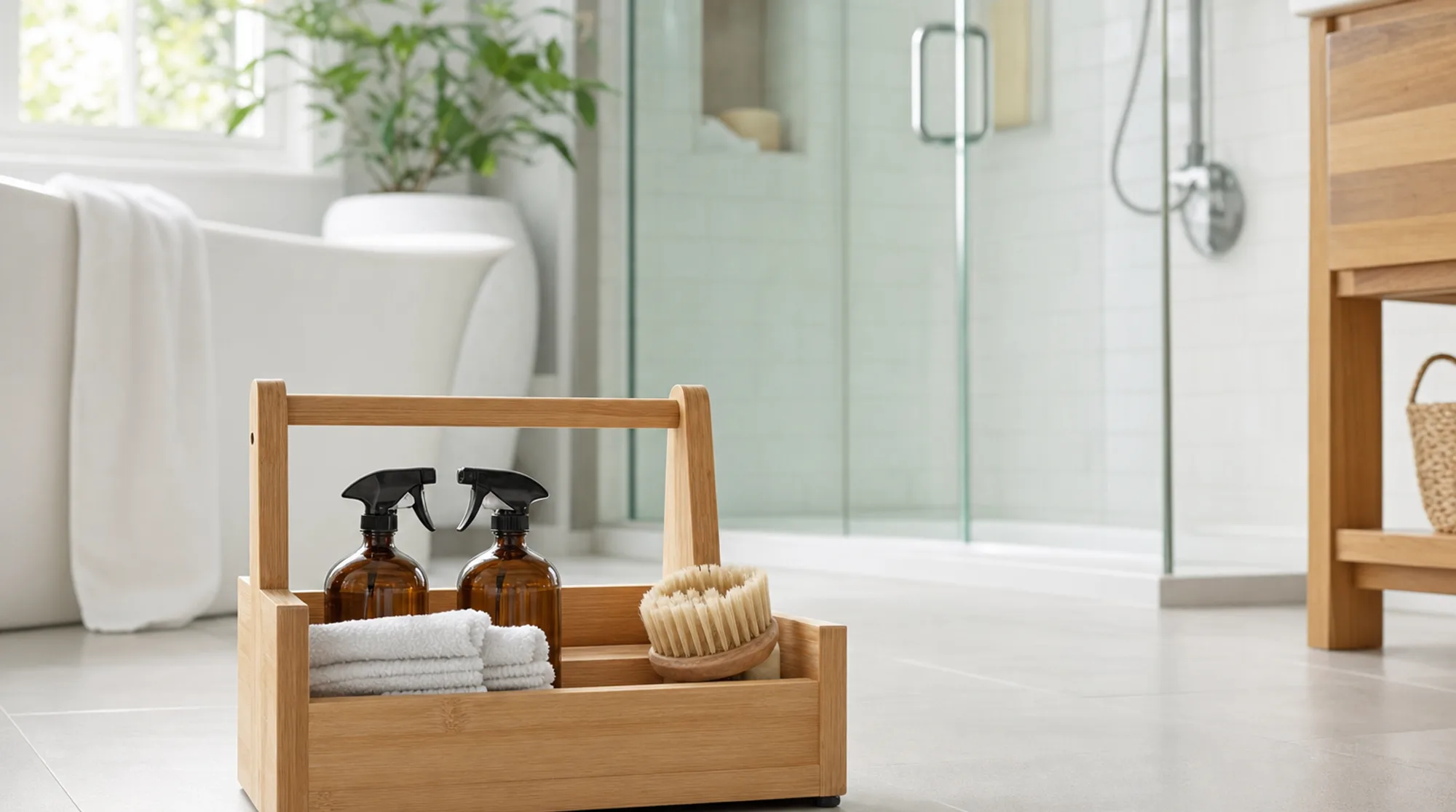
Then you scrub. This is the part people try to skip and you cannot skip it. A non-scratch scrub sponge or a stiff brush. I use those blue Scotch-Brite non-scratch pads on most surfaces. On glass I use a plastic scraper first to get the heavy stuff, then the sponge for the film.
Raquel has standards. I learned this the hard way in our first house in Texas, early 2000s, when I thought I could cheap out and just spray some Scrubbing Bubbles and call it good. She walked into the bathroom after I declared it clean and ran her finger down the glass. That finger came back with a white streak. She didnt say anything. She just looked at me. I went back in with vinegar and a brush and spent another forty minutes on something I’d already “cleaned.” I learned that day that visible clean and actually clean are different things. The expensive spray did basically nothing. The vinegar and scrubbing did everything.
After scrubbing, rinse thoroughly. Soap scum removers leave residue if you dont rinse them completely and that residue becomes a new layer of buildup. I use the showerhead on the handheld setting. If you don’t have a handheld, a cup of water works. Just get the product off.
Free printable
Save this for later: get the printable field guide
The free Homevisory field guide covers every season on one calm, printable plan: what to check, what normal looks like, and when to call for help. Tell us where to send it.
Sent! Check your inbox in the next minute or two.
Can't wait? Download the guide now
The Glass Door Problem
Glass shower doors deserve their own section because thats where soap scum is most visible and most annoying. The glass itself isnt the issue. Its that glass shows everything.
For maintenance, squeegee after every shower. Every. Single. Shower. Takes thirty seconds. Removes the water that would otherwise dry and leave mineral deposits. Removes the soap residue that would otherwise bond with those minerals. This alone will prevent 90% of buildup. I have a squeegee hanging in my shower. Has for twenty years.
For existing buildup on glass, the vinegar and dish soap solution works but you might need to use a razor blade scraper for heavy deposits. Hold it at a 45-degree angle, keep the glass wet, and scrape gently. The soap scum will come up in sheets. Satisfying in a gross way.
My mom Shirley used to clean our bathtub in Atlanta with something specific, I cant remember what it was, some product they don’t make anymore probably. She’d get on her knees every Saturday and scrub the whole thing by hand. The tub in that house was old, some kind of porcelain over cast iron, and it stayed white for as long as we lived there. I asked her once why she didn’t just use the sprays like everyone else and she said something about them not working as well as people think. Anyway.
Preventing Soap Scum Buildup
Removal is good. Prevention is better.
Switch to liquid body wash or synthetic soap bars if you’re still using traditional bar soap. Traditional bar soap is the primary cause of soap scum because of those fatty acids I mentioned earlier. Synthetic soap, which includes most body washes and some bar soaps labeled as “beauty bars” or “cleansing bars,” don’t contain the same compounds and don’t react with minerals the same way. You’ll still get some residue but nowhere near as much.
If you have hard water, a water softener is the real solution. I know its expensive. I know its a whole thing to install. But softened water dramatically reduces mineral deposits on everything, not just your shower but your dishwasher, washing machine, faucets, water heater, all of it. The investment pays off if you’re in a high-hardness area.

Daily shower spray. There are products specifically designed to spray after each shower that prevent buildup. Method makes one. Seventh Generation makes one. You can make your own with diluted vinegar in a spray bottle. The point is a quick mist on the walls and door after you shower, while the surfaces are still wet, prevents soap scum from bonding.
Ventilation. Run your bathroom fan during and after showers. Moisture hanging in the air lands back on surfaces and contributes to buildup. This is basic but people forget it.
Janelle leaves her conditioner everywhere. I don’t mean she spills it, I mean she uses too much of it and it rinses down and coats the bottom of the shower. Thats not soap scum technically but it’s equally annoying and requires the same treatment. Kids.
Soap scum is just one of several things working against your bathroom. Our complete bathroom cleaning guide covers tubs, grout, caulk, mold, and everything else that needs attention.
When to Just Replace Things
Sometimes the buildup is so old and so thick that removal isnt worth the effort. Plastic shower doors that have been neglected for years might never come clean. The soap scum can actually etch into certain surfaces over time, leaving permanent marks even after the deposit is removed. Caulk and grout absorb residue and discolor.
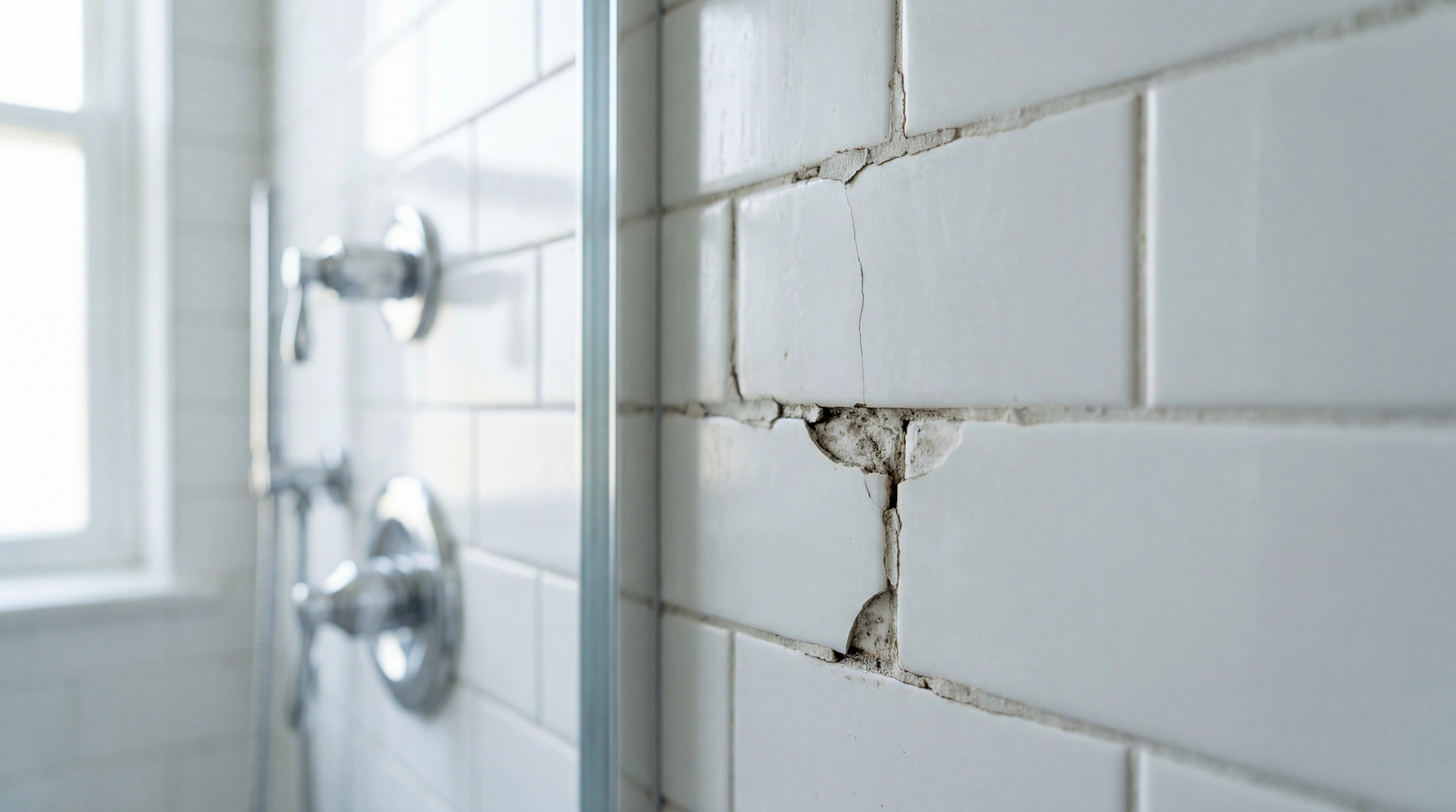
If you’ve tried everything I’ve described and the surface still looks bad, you might be looking at damage rather than dirt. Recaulking is easy and cheap. Regrouting is tedious but doable. Replacing a shower door costs a few hundred dollars and sometimes thats better than spending ten hours trying to restore something that won’t restore.
If you need a professional to clean your shower, I don’t know what to tell you. Call someone.
Staying On Top of It
Soap scum is a maintenance issue. You either deal with it regularly in small amounts or you deal with it rarely in large amounts. I know which one I prefer.
Squeegee daily. Spray weekly. Deep clean monthly. That’s the rhythm that works in my house. Raquel would probably say we deep clean every two weeks but Raquel has standards that most people don’t have and I’ve accepted that.
At Homevisory, we built our Homevisory home task manager around exactly this kind of thing. Not the emergency repairs or the obvious projects but the small recurring maintenance that prevents big problems. You can set up reminders for bathroom cleaning, track when you last deep cleaned, and stop thinking about soap scum entirely until your phone tells you its time. Sign up free and let the system handle the remembering so you can handle the actual cleaning.