
The Reset Button Exists for a Reason
Your gfci outlet not working is probably not a mystery. Its probably the reset button. I say this because I get emails about this constantly and about eighty percent of the time the person hasnt tried resetting it, or they tried once and gave up, or they didnt push it hard enough.
Push the reset button. Push it until it clicks. If it doesnt click, push harder. These things get stuck.
Still nothing? Okay. Now we can troubleshoot.
What a GFCI Actually Does
Before you start pulling outlets out of walls you should understand what youre dealing with. A GFCI, ground fault circuit interrupter, monitors the current flowing through the hot and neutral wires. If it detects even a tiny imbalance, like five milliamps, it trips. Shuts everything down in a fraction of a second.
Thats the whole point. It stops you from getting electrocuted.
The imbalance usually means current is going somewhere it shouldnt. Through you, for example. Through water. Through a frayed wire touching a metal box. The GFCI doesnt know where the current went. It just knows something left and didnt come back through the proper path.
My dad Curtis worked in a factory for thirty years and he used to say, about machines in general, he used to say “respect the machine before you try to fix it.” He wasnt talking about electrical specifically. He was talking about these big industrial presses they had. But it applies. Electricity deserves respect. Its not like fixing a squeaky hinge.
Why Your GFCI Outlet Stopped Working
A gfci outlet not working usually comes down to a few things:
It tripped and needs a reset. Already covered this. Try it again anyway.
Something downstream tripped it. This is the one people miss. A GFCI protects every outlet thats wired downstream from it. So you might have an outlet in your garage thats actually protected by a GFCI in your bathroom. The garage outlet stops working and you have no idea why because youre looking at the wrong outlet.
Its dead. GFCIs wear out. They have internal components that fail. If youve had the same one for fifteen or twenty years its probably done.
Its wired wrong. This is my favorite because Ive made this mistake myself and I should have known better.
Moisture got in. Outdoor GFCIs especially. Or bathrooms with bad ventilation. Water gets inside, things corrode, connections fail.
Troubleshooting Step by Step
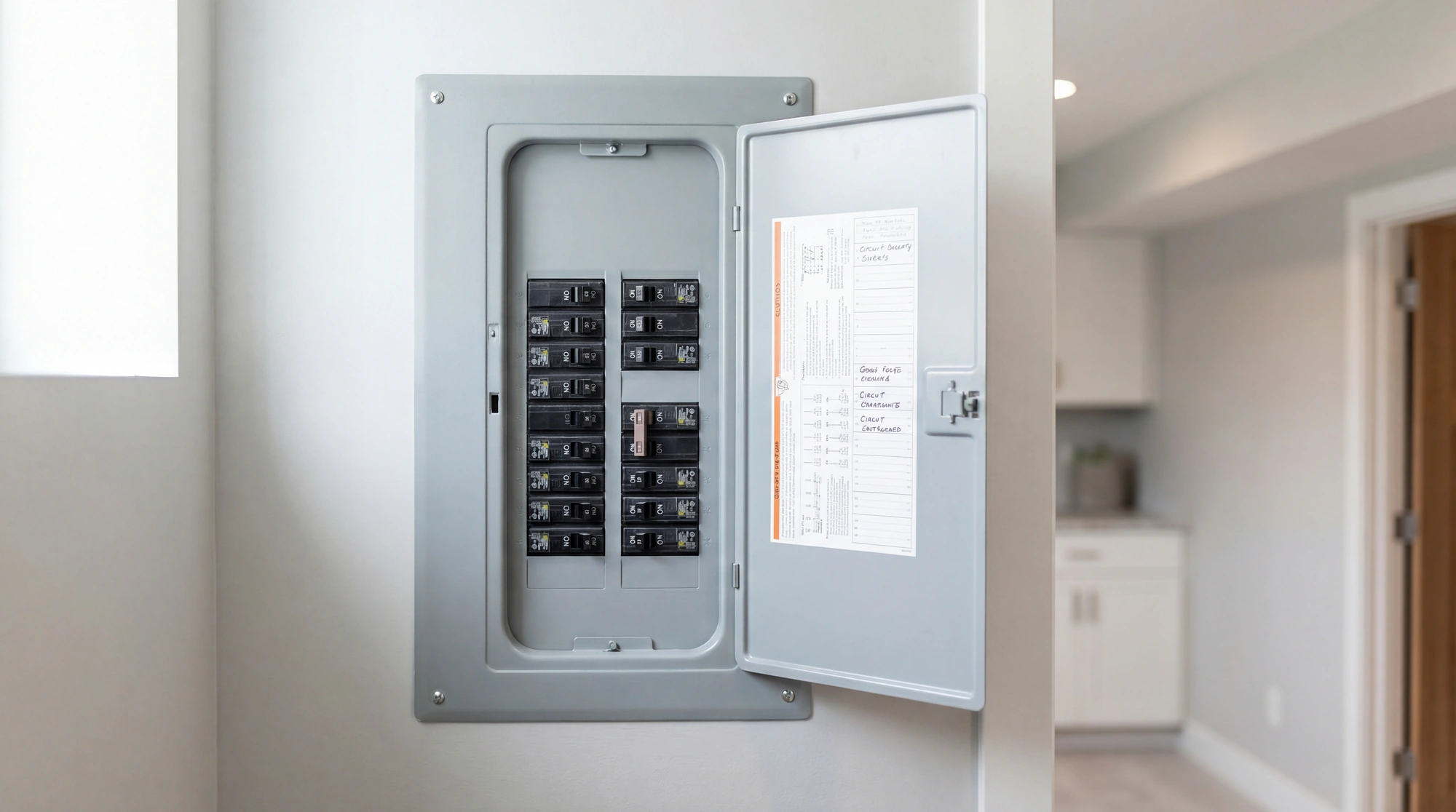
First check the obvious. I know I keep saying this but people skip it. Push reset. Check if theres power at other outlets on the same circuit. Check your breaker panel.
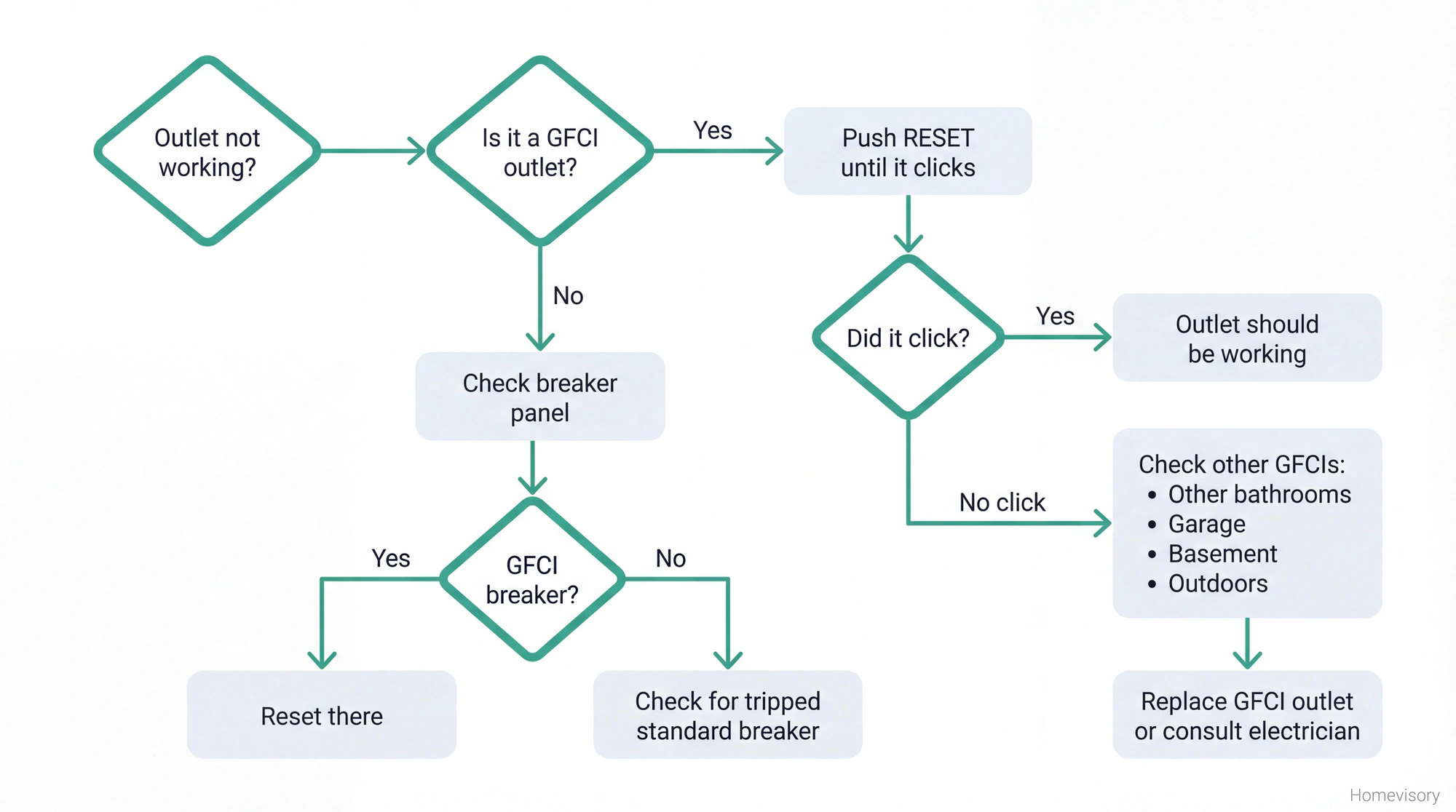
If the breaker is tripped, reset it. If it trips again immediately, you have a real problem, not a GFCI problem. Call an electrician.
If the breaker is fine but the GFCI wont reset, try this: push the test button, then push reset. Sometimes they need to trip before they can reset. I dont know why thats true but it is.
If it still wont reset, turn off the breaker for that circuit. Youre going to need to pull the outlet out and look at the wiring.
How to Wire a GFCI Outlet
Okay. This is where I need to slow down because this is where everyone screws up and its where I screwed up in 2003 and I still think about it.
I was doing a bathroom renovation in Richardson, north of Dallas, and I was wiring in a new GFCI and I was in a hurry because I had another job that afternoon and I connected the wires to the wrong terminals. Specifically I connected the outgoing wires, the ones feeding other outlets, to the LINE terminals instead of the LOAD terminals. The outlet worked fine. Tested it, had power, everything seemed good. Moved on.
Two weeks later the homeowner calls me because their outlet in the hallway stopped working. I go back and I cannot figure out whats wrong. The outlet looks fine. The connections are tight. The breaker is on.
It took me an hour to realize that the hallway outlet was supposed to be downstream from the bathroom GFCI but because I wired the GFCI wrong, the hallway outlet wasnt actually protected and when moisture got into the GFCI from shower humidity, it tripped, but because the load terminals werent being used, the downstream outlet just died with no way to reset it.
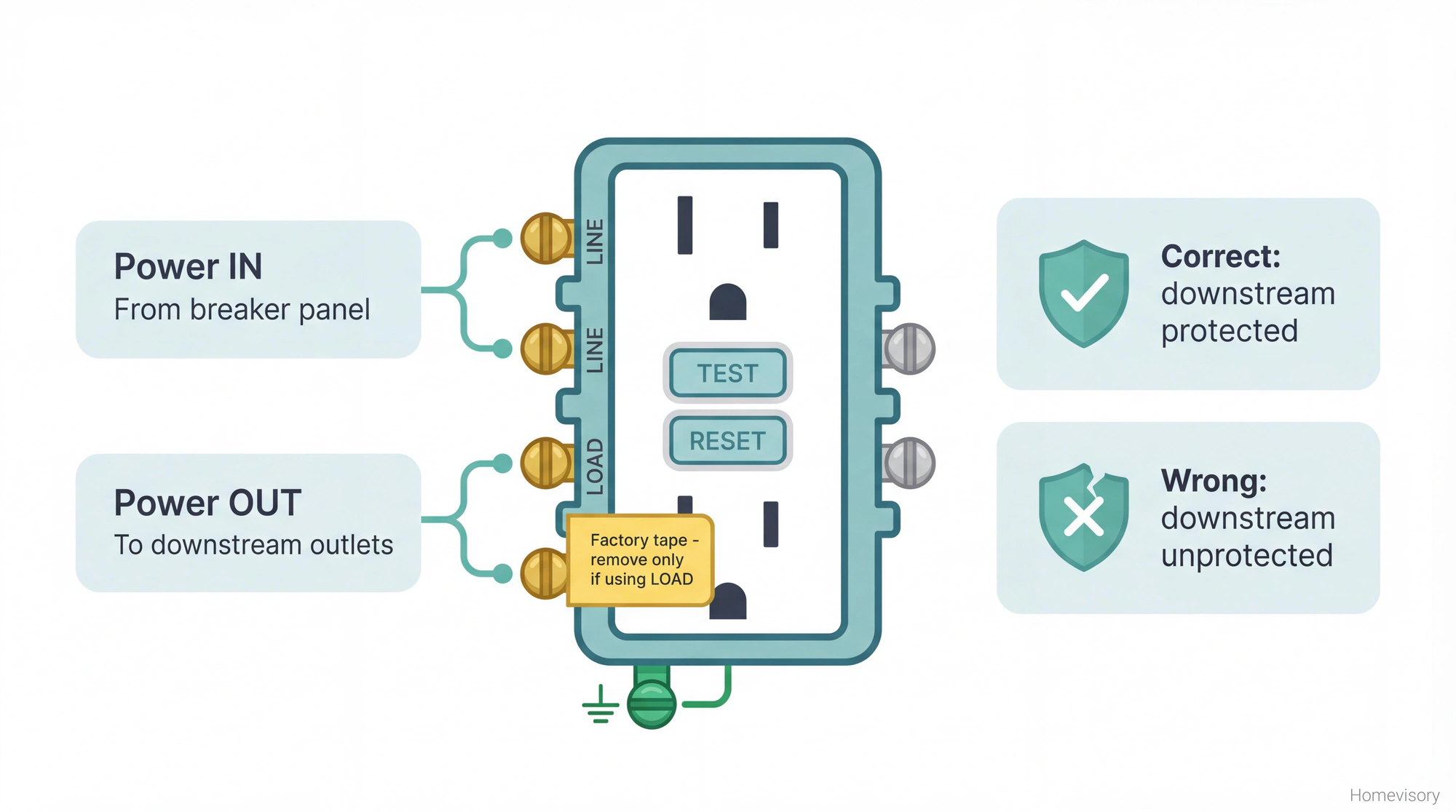
LINE terminals are for power coming in. From the breaker. From your electrical panel. This is the source. LOAD terminals are for power going out. To other outlets. To other switches. Things you want the GFCI to protect. If you mix these up, youll have an outlet that appears to work but doesnt actually protect anything downstream, or youll have downstream outlets that die mysteriously when the GFCI trips because the protection circuit isnt wired correctly. The LINE and LOAD terminals are usually labeled right on the outlet but people dont look or they dont understand what it means. I didnt fully understand it in 2003 even though I had been doing this for years and that should have been embarrassing but honestly it just taught me to slow down. Thats it.
The Actual Wiring Process
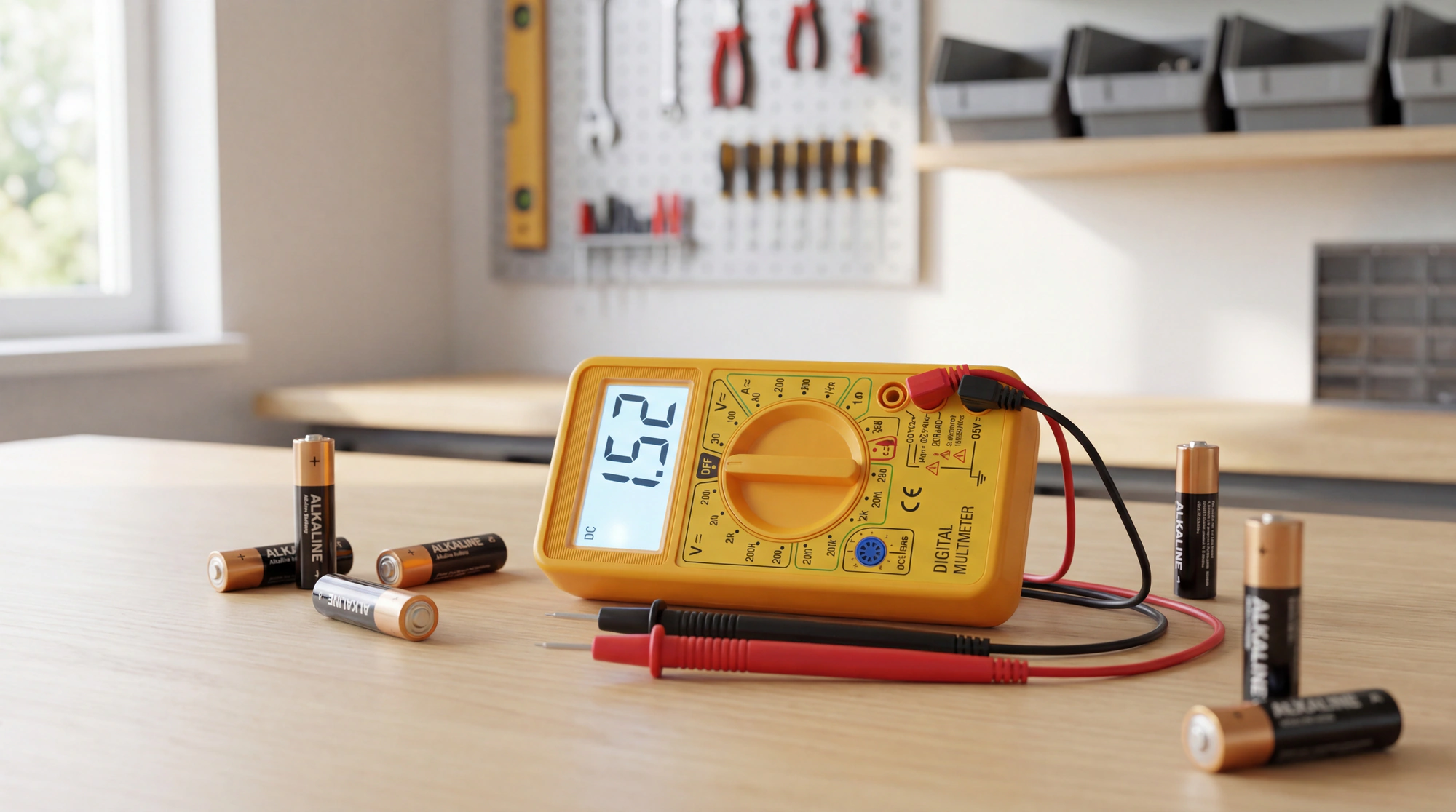
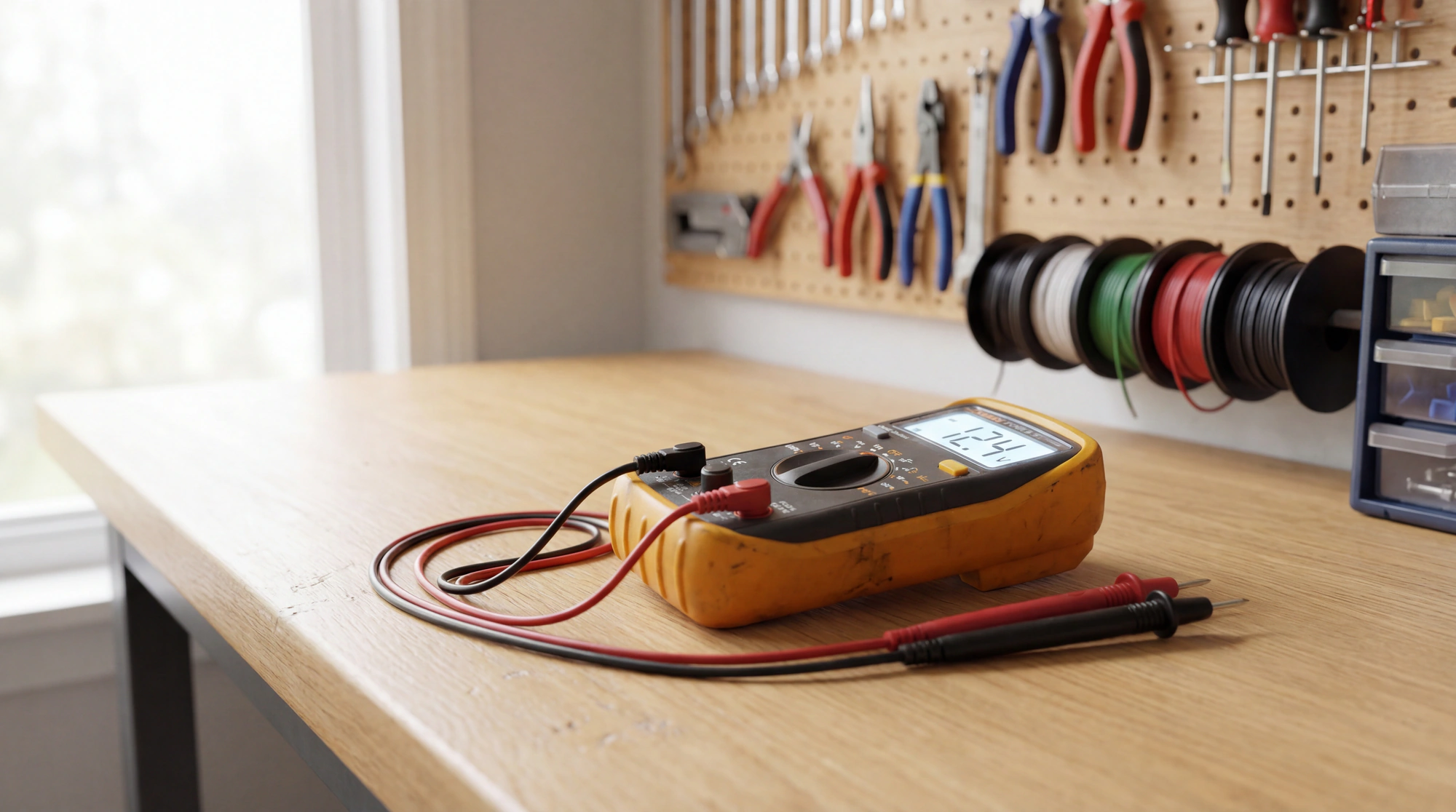
Turn off the breaker. Test with a voltage tester. Test again. I use a non-contact tester first, then I use a multimeter to confirm. Electricity doesnt care that you think you turned it off.
Pull the outlet out of the box. Take a picture of the existing wiring before you disconnect anything. I learned this the hard way too.
If youre replacing an existing GFCI, note which wires are on LINE and which are on LOAD. If youre replacing a standard outlet with a GFCI, you need to figure out which cable is coming from the panel (LINE) and which cable is going to other outlets (LOAD).
Usually theres only one cable in the box. Thats easy. All your wires go to LINE. The LOAD terminals stay empty or you use the yellow tape thats already covering them.
If theres two cables, one is LINE and one is LOAD. To figure out which is which: disconnect everything, turn the breaker back on briefly, and test each black wire with your voltage tester. The one thats hot is your LINE. Turn the breaker back off before you proceed. Obviously.
Connect the LINE wires first. Black to brass LINE terminal. White to silver LINE terminal. Ground to green screw.
Connect the LOAD wires. Black to brass LOAD terminal. White to silver LOAD terminal.
Push everything back in the box. Dont just shove it. Fold the wires carefully. If youre forcing it, something is wrong.
Turn the breaker on. Push reset. Test with the test button. Test the downstream outlets.
The Downstream Problem
This is worth its own section because its the thing I see most often when someone says their gfci outlet not working.
Mr. Davis, my shop teacher back in Atlanta, he said something once about electricity that I still remember. Something about how it takes the path of least resistance but its also stubborn, it wants to complete the circuit no matter what. I dont know why that stuck with me. He was mostly a woodworking guy anyway.
But yeah. Downstream outlets.
One GFCI can protect multiple outlets. This is common in bathrooms and kitchens. Building code requires GFCI protection near water sources, but it doesnt require every outlet to be a GFCI outlet. So builders put one GFCI at the start of the circuit and wire everything else downstream from the LOAD terminals.
When that one GFCI trips, everything downstream goes dead. But you dont see a tripped reset button on those outlets because they arent GFCIs. They just look like regular outlets.
So you have to find the upstream GFCI. Check other bathrooms. Check the garage. Check outdoors. Sometimes theres a GFCI in a weird place that protects outlets on a completely different floor. Once found one in a basement that protected a kitchen outlet.
Some houses also use GFCI breakers instead of GFCI outlets. Check your panel. If a breaker has a test button on it, thats a GFCI breaker. Reset it there.
When the GFCI Keeps Tripping
Different problem. If your gfci outlet keeps tripping, not just dead but actively tripping, you have a ground fault somewhere. Something on that circuit is leaking current.
Unplug everything. Reset the GFCI. If it holds, plug things back in one at a time until it trips. Thats your culprit. Usually a faulty appliance. Hair dryers are common. Old curling irons. Anything with a heating element that gets wet.
If it trips with nothing plugged in, the problem is in the wiring. Water in a junction box somewhere. Damaged wire insulation. This is beyond DIY for most people.
Speaking of beyond DIY, I once had a homeowner in Plano, maybe 2008 or so, who painted over their GFCI outlets. Like, painted right over the reset and test buttons. Thick latex paint. Then called me six months later because the outlets stopped working and they couldnt reset them because the buttons were literally stuck under paint. I spent twenty minutes with a utility knife scraping paint off an outlet. Charged them for a full hour because of principle.
When to Call an Electrician
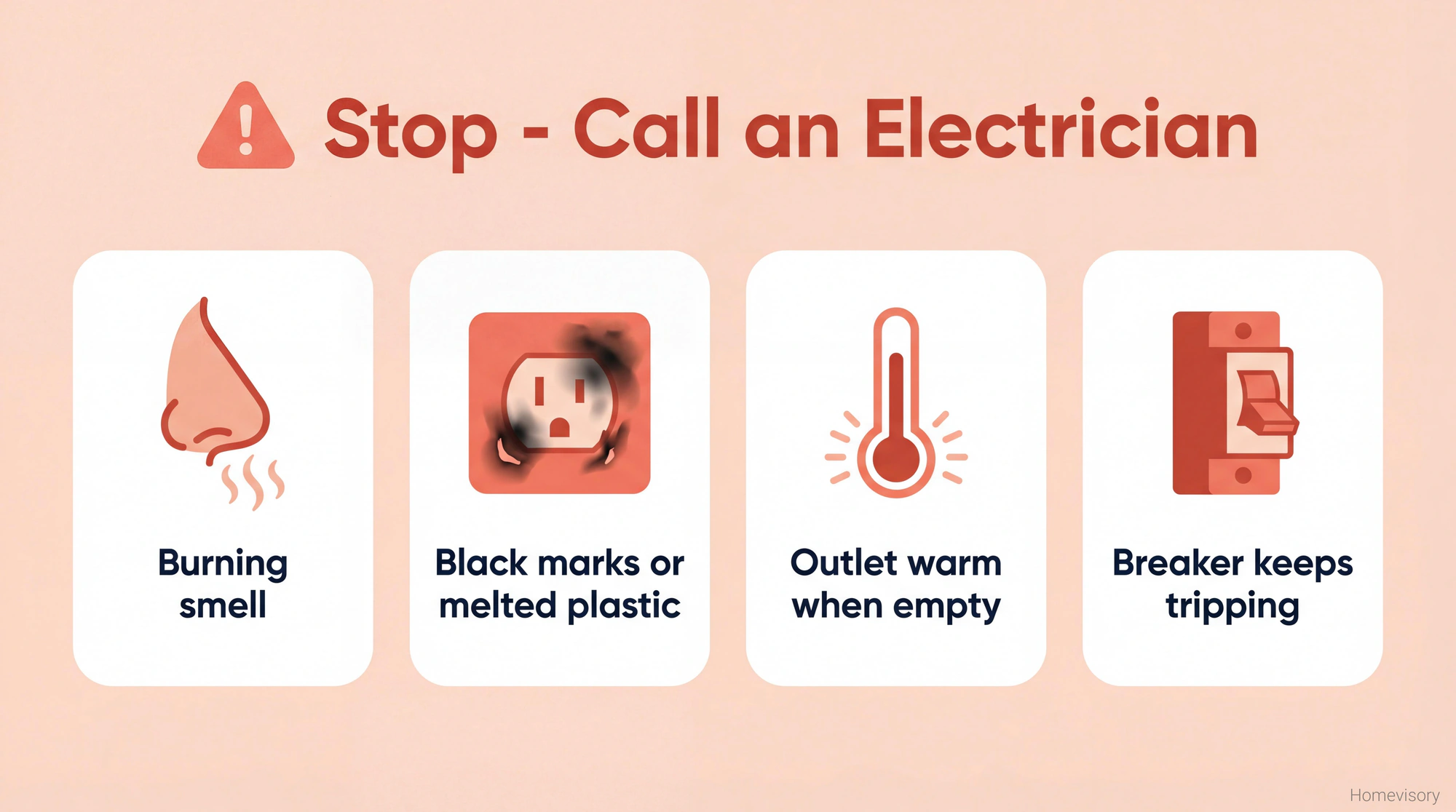
If you smell burning, call someone. If you see black marks or melted plastic, call someone. If the outlet is warm to the touch when nothing is plugged in, call someone. If your breaker keeps tripping after you reset it, call someone.
Moving on.
Replacing a Dead GFCI
GFCIs have a lifespan. The internal circuitry wears out. If yours is older than ten years and wont reset no matter what you do, just replace it.
They cost fifteen to twenty-five dollars depending on brand. Leviton and Eaton are fine. Dont buy the cheapest one at the hardware store. This is protecting you from electrocution, not the place to save four dollars.
The wiring process is the same as I described above. LINE. LOAD. Ground. Test. Done.
The Test Button Matters
Test your GFCIs monthly. Push the test button. The reset button should pop out. Push reset. You’re done.

If the test button does nothing, the GFCI is dead and needs replacement.
If you dont test them, you wont know theyre dead until you need them. And you dont want to find out a safety device failed when youre standing in water holding a hair dryer.
Homevisory has a task reminder for this. Monthly GFCI testing. Takes thirty seconds. Most people have three to six GFCIs in their house, so the whole check is under five minutes. We set it up when you add your home to the system. Thats what we do here at Homevisory, we make sure the small stuff doesnt become the big stuff. You can sign up free at Homevisory home task manager and get your maintenance schedule set up in about ten minutes. Then you dont have to think about it. The app thinks about it for you.