That Draft You’re Feeling Isnt Going Away on Its Own
You know the spot. That one window where you can feel cold air coming through even though its closed. You put your hand up and theres this steady, invisible stream of cold just bleeding into your house. Most people live with it. They grab an extra blanket, they complain about their heating bill, they tell themselves they’ll deal with it next year.
Next year never comes.
Window insulation is one of those things that sounds more complicated than it is. Its also just one piece of winterizing your whole house before the cold hits. People hear “insulation” and they think about hiring someone, spending thousands on new windows, dealing with contractors. But most of what you need to stop cold drafts costs under $30 and takes an afternoon. I’ve done this in houses, apartments, rentals, you name it. Ive done it so many times I could probably do it blindfolded.
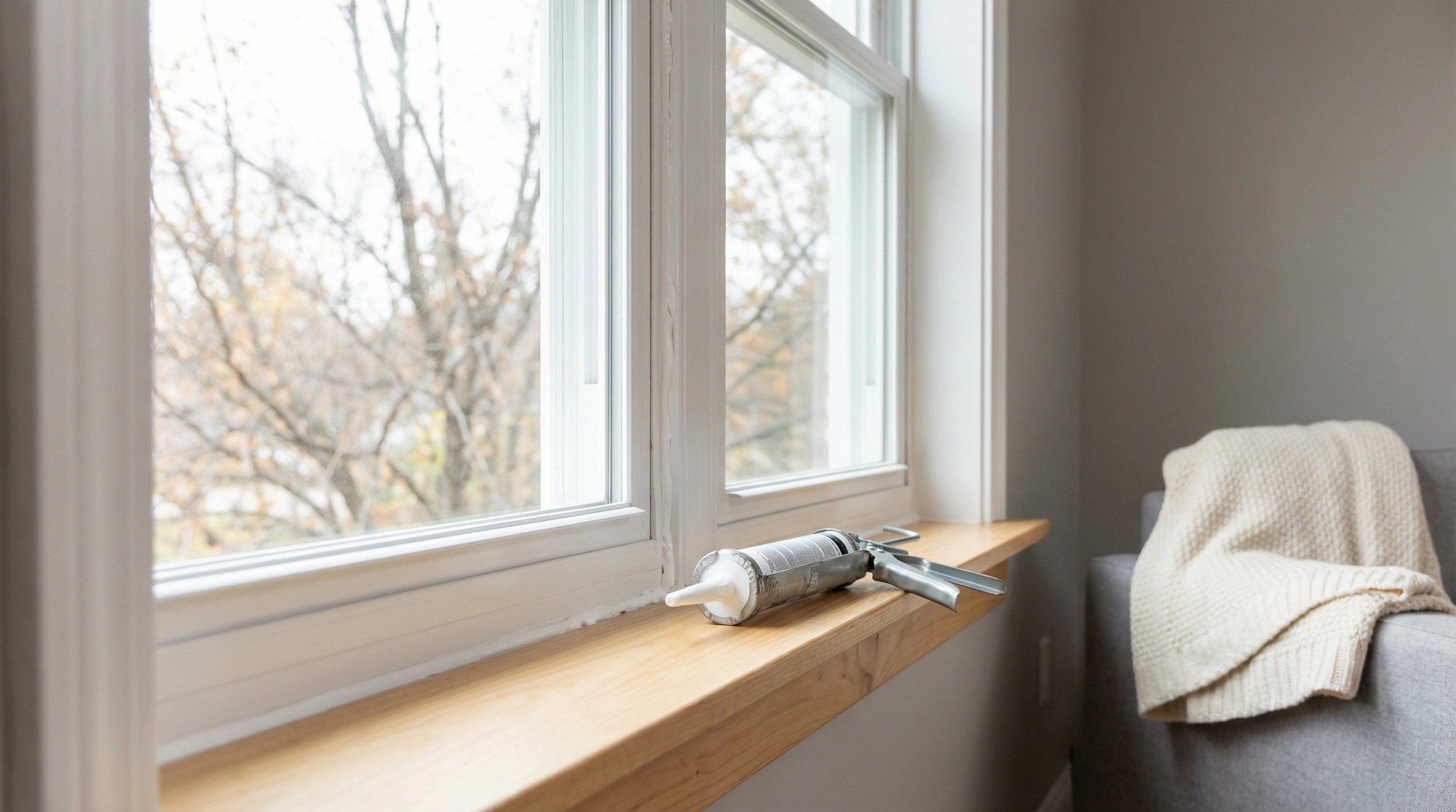
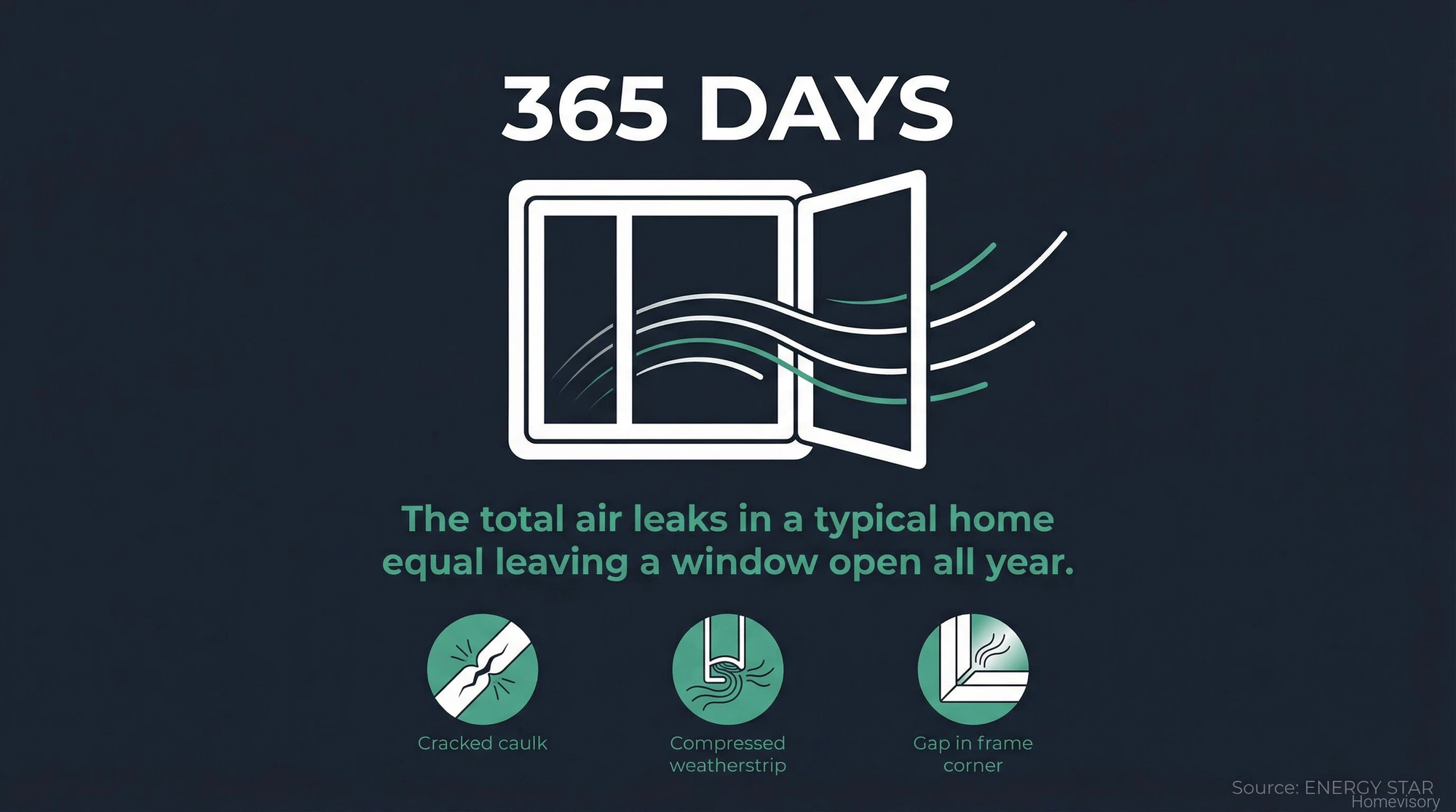
The problem is air gaps. Single-pane windows are the worst offenders but even newer double-pane windows develop gaps over time. Weatherstripping compresses. Caulk cracks. The frame settles. And all those little imperfections add up. ENERGY STAR estimates that if you added up all the leaks, holes, and gaps in a typical home’s envelope, it would be equivalent to having a window open every day of the year.
Every day. Think about that.
Why Window Efficiency Matters More Than You Think
I used to work jobs all over the country. Spent two winters in Chicago doing commercial renovations. You want to learn about window insulation real fast, try living in a 1920s apartment building when its fifteen below outside. My bedroom had three single-pane windows that might as well have been screens. I could see the curtains moving from the draft. Not blowing, just a steady gentle sway like they were breathing.
That winter I learned everything I know about keeping cold air out without replacing windows.
The numbers back this up. According to the Department of Energy, low-e exterior or interior storm windows can save you 12% to 33% on heating and cooling costs depending on whats already installed. Thats significant. But even before you get to storm windows, theres a lot you can do with basic materials.
The EPA says homeowners can save an average of 15% on heating and cooling costs by air sealing their homes and adding insulation. Sealing air leaks around windows and doors specifically can achieve a 25% reduction in total air infiltration. That’s not marketing fluff from some company trying to sell you something. That’s the federal government saying: seal your windows.
Plastic Film Insulation Kits: The Thing I Care Too Much About
Okay. This is where I probably lose some people because Im going to talk about plastic film window insulation kits for way longer than necessary but I dont care. These things work. They’re cheap. And most people either don’t know about them or they tried one once, did it wrong, and gave up.
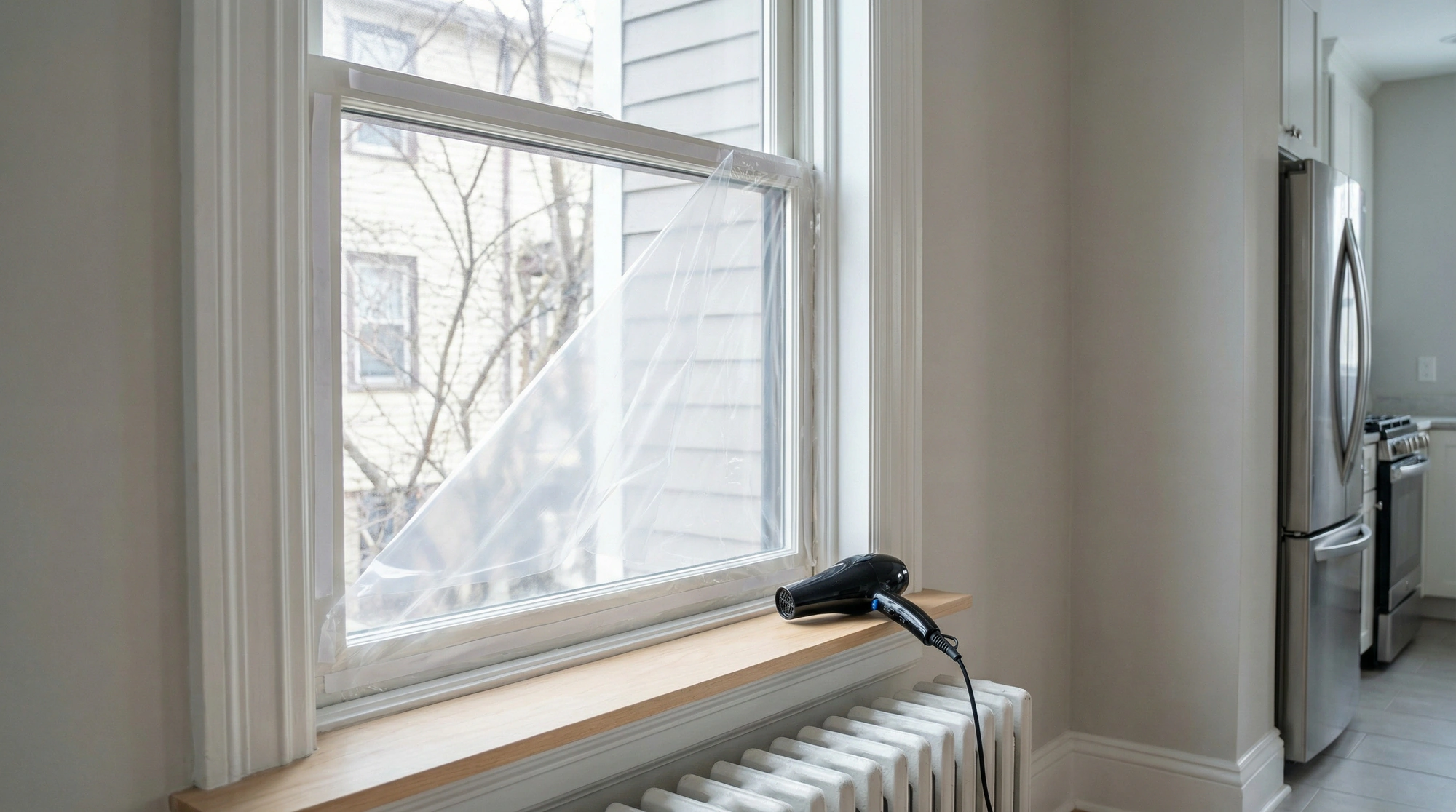
An insulation kit is simple: plastic film, double-sided tape, and a hair dryer. You tape the film around the window frame, then hit it with heat and it shrinks tight like a drum. Creates a dead air space between the film and the glass. Dead air is an insulator. Same principle as double-pane windows but for like twelve bucks.
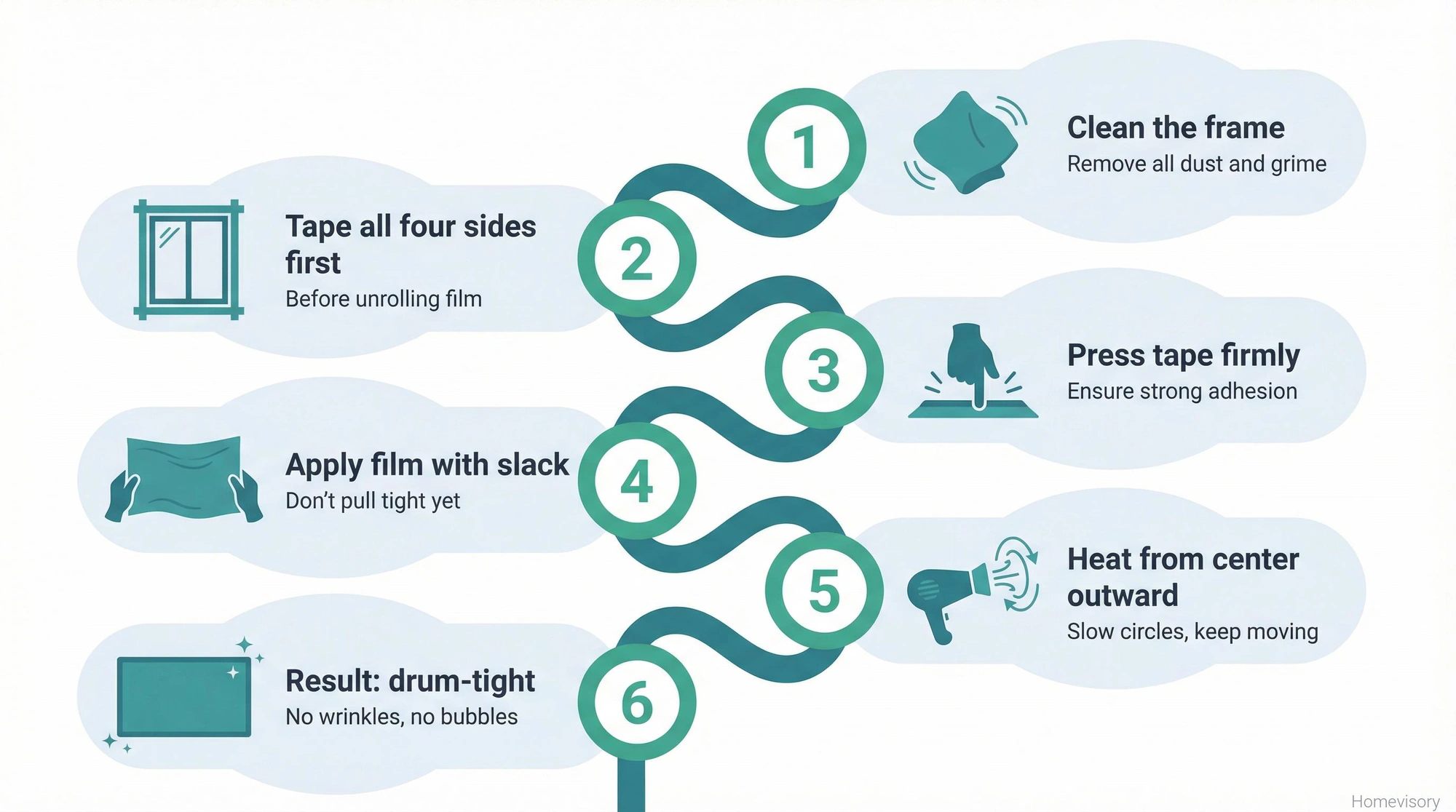
Heres the thing though. The application matters. I’ve seen people slap the tape on crooked, press the film down with wrinkles in it, wave the hair dryer around for thirty seconds and call it done. Then they wonder why it looks terrible and peels off by February. You have to clean the frame first, any dust or grime and the tape wont stick, and you have to use the tape thats included because the adhesive is specific to this purpose and regular double-sided tape from the office supply drawer isnt going to cut it. Apply the tape to all four sides before you unroll the film. Press it down firm. Then when you put the film on, leave some slack, dont pull it tight yet, the heat shrink process is what pulls it tight. Start with the hair dryer in the center and work outward in slow circles. Keep the dryer moving. If you hold it in one spot you’ll melt through the film and have to start over. When it’s done right it should look almost invisible, tight as a snare drum, no wrinkles, no bubbles. Ive done entire apartments this way, all the windows, in a single Saturday.
My son Milton asked me once why I was so particular about it and I told him it’s like tuning a guitar. You can do it quick and sloppy or you can do it right. The result looks the same to someone who isnt paying attention but you know the difference.
Weatherstripping
Different situation. Weatherstripping handles the gaps between the moving parts of your window, where the sash meets the frame, where things are supposed to seal when you close the window but don’t quite anymore.
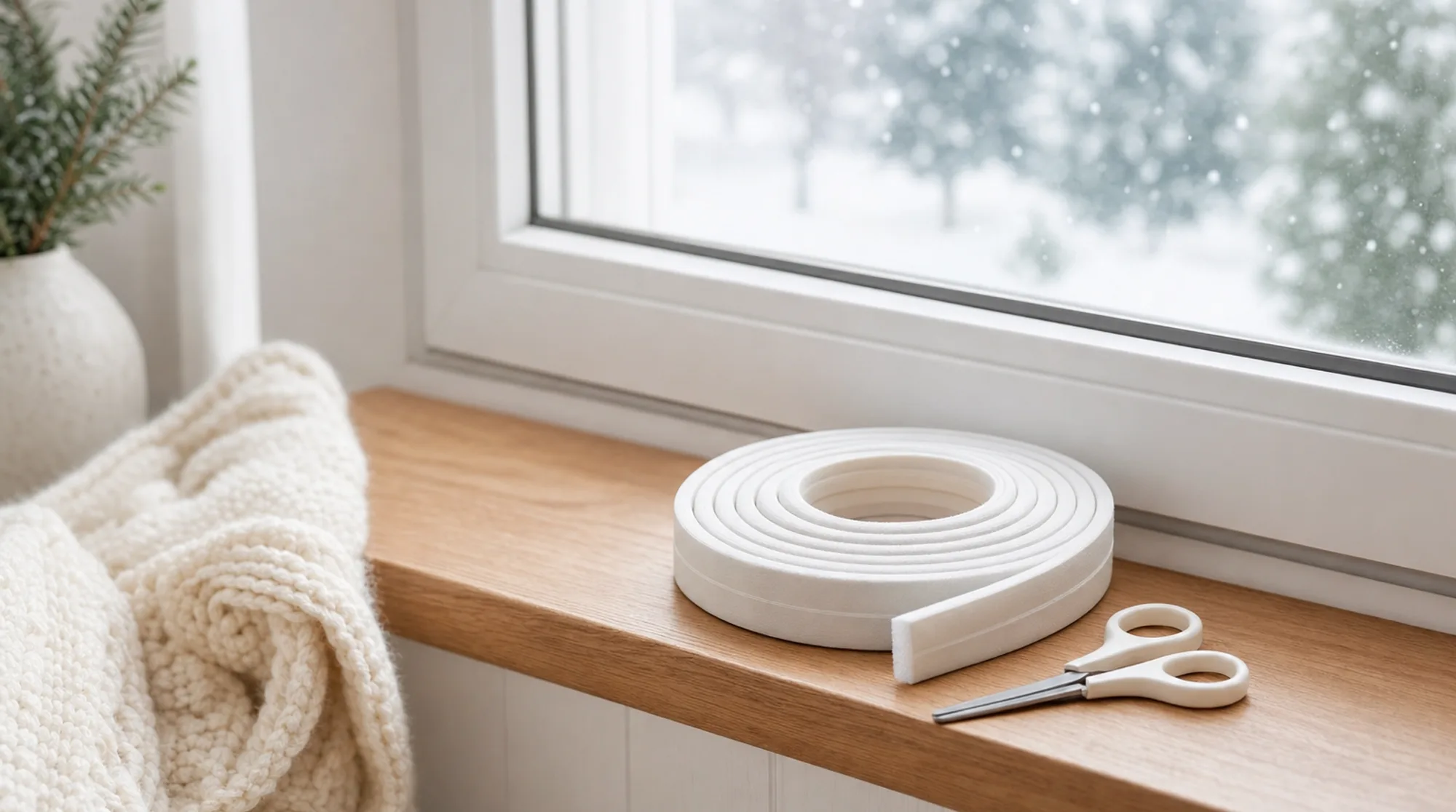
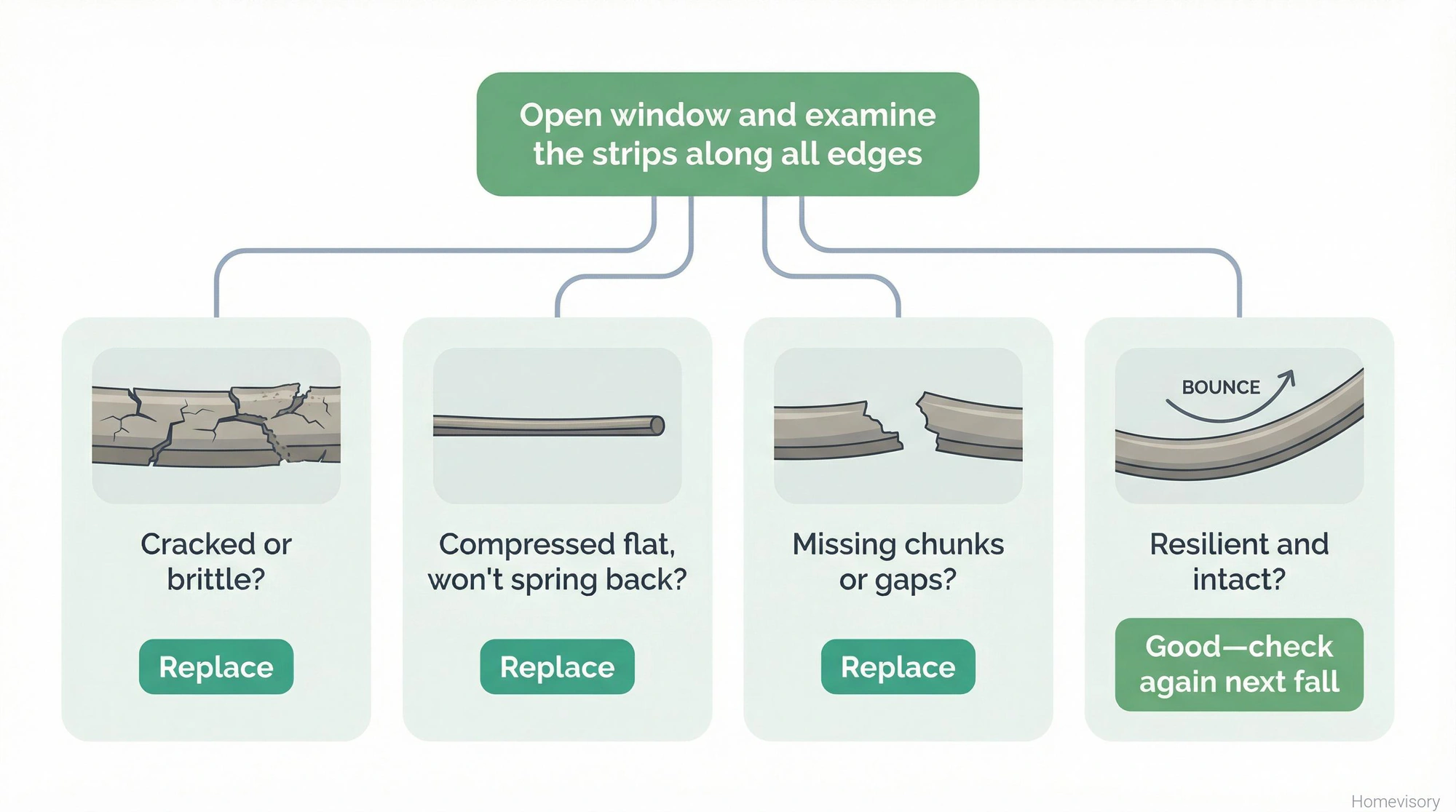
Check yours. Open the window, look at the strips along the edges. If theyre cracked, compressed flat, or missing chunks, thats your problem. Self-adhesive weatherstripping is available at any hardware store and installing it is straightforward. Clean the surface, peel the backing, press it in place. V-strip weatherstripping works well for double-hung windows. Foam tape is cheaper but compresses faster and needs replacing more often.
My dad Curtis used to check the weatherstripping on every window in the house once a year, every fall, before it got cold. Atlanta doesn’t get Chicago cold but it gets cold enough. He had this methodical way of doing it, going room to room, running his hand along the edges, pressing on the strips to see if they’d bounce back. He worked in a factory his whole life and he approached house maintenance the same way, systematic, no shortcuts. I remember the smell of the adhesive backing on the new strips he’d put in. That particular chemical smell. He’d be listening to the radio while he worked. Anyway.
Thermal Curtains and Window Coverings
I’ll be blunt about thermal curtains. They help. They’re not magic.
The Department of Energy says tightly installed cellular shades can reduce heat loss through windows by 40% or more, which translates to about 10% heating energy savings. Cellular shades have the highest R-values of all window coverings. But the key word there is “tightly installed.” Most people hang curtains with gaps on the sides, gaps at the top, they don’t reach the floor. All those gaps let air circulate between the curtain and the window, which defeats the purpose.
If you’re going to use thermal curtains for window insulation, install them on a rod thats wider than the window frame so you can close them all the way to the wall. Use a valance or mount them close to the ceiling to seal the top. Let them puddle on the floor or use magnetic strips or velcro to seal the edges to the wall. Sounds excessive. It’s not. Half measures give you half results.
Speaking of half measures. My daughter Janelle, she’s nineteen now, she used to crack her bedroom window in winter because she “likes fresh air when she sleeps.” With the heat running. I tried to explain thermodynamics to her. Cold air comes in at the bottom, warm air goes out at the top, your heating system runs continuously trying to compensate. She looked at me like I was speaking another language. Whatever.
Draft Stoppers and Door Snakes
They work. That’s it.
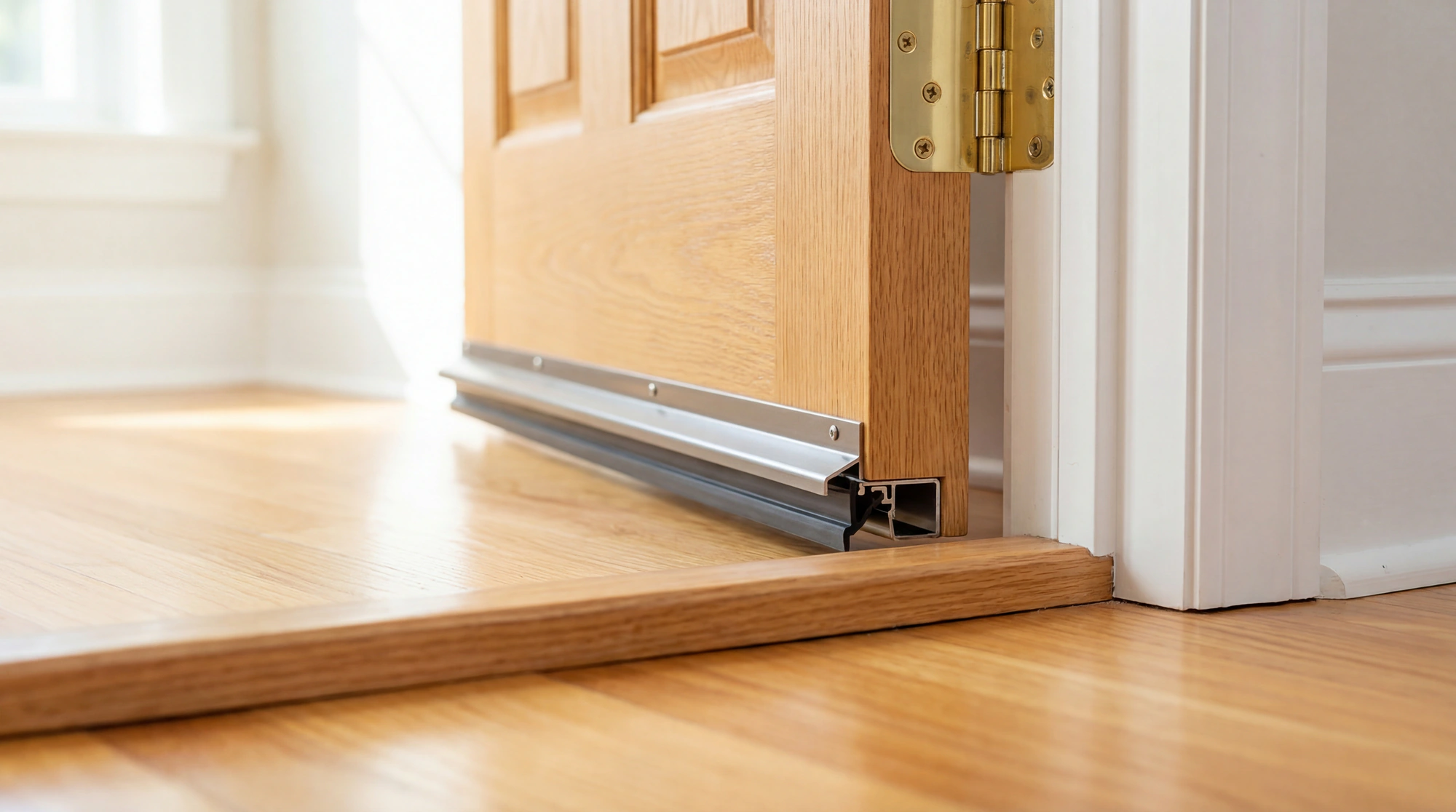
You can buy them or make them. Roll up a towel. Fill a sock with rice. Get a commercial draft snake with foam inside. Put it at the base of the window or door. Blocks the air gap.
Moving on.
The Stuff I’m Not Getting Into
Full window replacement. I’m not getting into window replacement costs here, that’s a whole different conversation. If you have single-pane windows from the 1950s and you own the house and you plan to stay there, yes, eventually you should probably replace them. The Department of Energy notes that windows with low-e coatings cost about 10% to 15% more than regular windows but reduce energy loss by 30% to 50%. The NFRC rates windows for energy performance if you want to compare options.
But that’s thousands of dollars. What I’m talking about here costs under $50 total and you can do it this weekend.
The Order I’d Do It
-
Check weatherstripping first. If it’s shot, replace it. $10-20 in materials.
-
Plastic film on your worst windows. The ones where you can feel the draft. One kit does multiple windows. $15-25.
-
Thermal curtains in rooms where you spend the most time. Properly installed.
-
Draft stoppers at the base of windows and exterior doors.
My dad used to say, about something totally different, he used to say “you can’t outrun a slow leak.” He was talking about car tires. How people will drive around on a tire losing pressure for weeks instead of just patching it. But it applies to everything including window insulation. Every draft you ignore is money leaking out of your house. You’re not going to outrun it by turning up the thermostat.
What This Actually Costs vs What It Saves
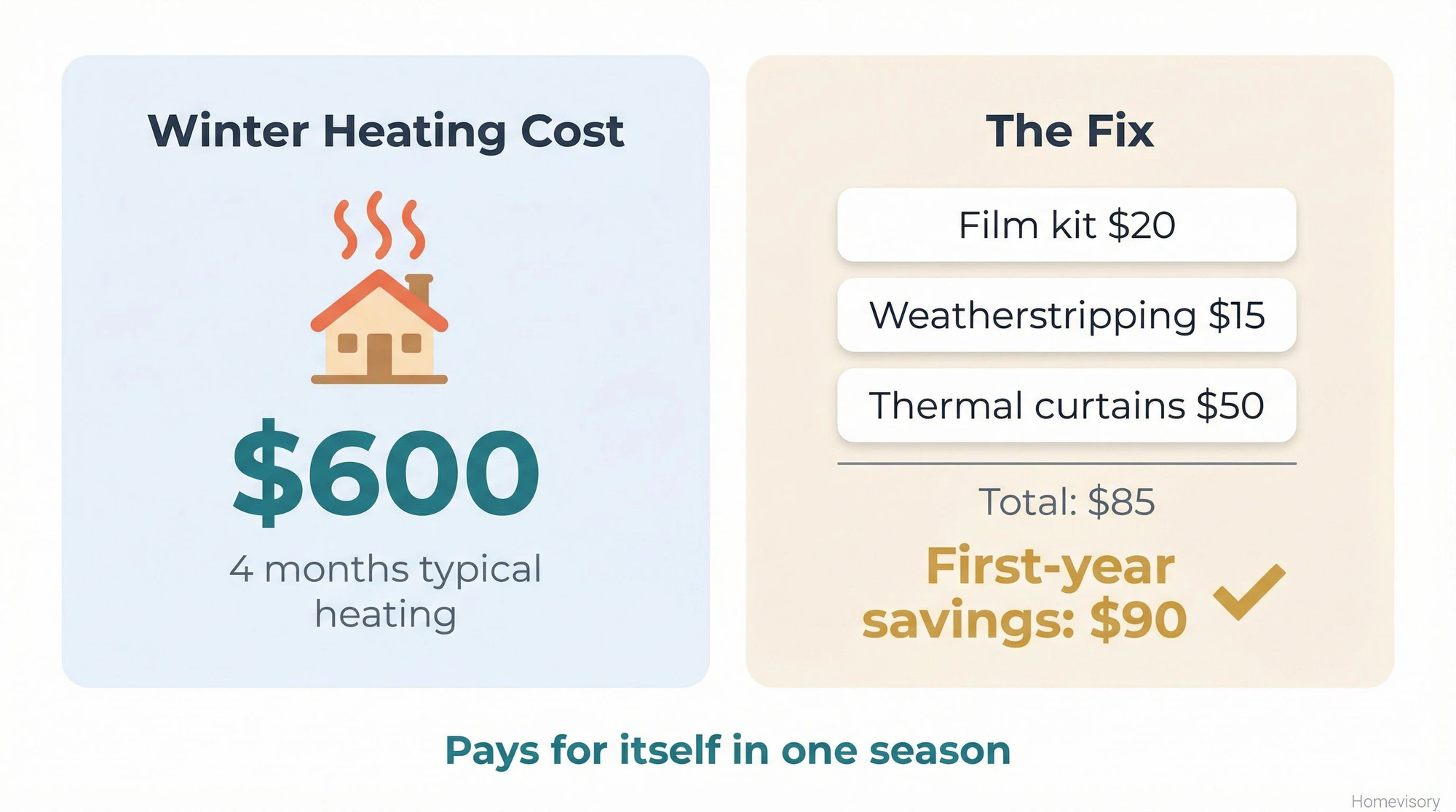
Let me put some numbers on this. The EPA estimates 15% savings on heating and cooling from proper air sealing. Say your heating bill is $150 a month in winter, four months of real cold. That’s $600. Fifteen percent of that is $90. Your window insulation kit was $20. Your weatherstripping was $15. Even the fancy thermal curtains were $50.
You make your money back the first season.
Nine out of ten homes in the U.S. are under-insulated. That’s almost everyone. Which means almost everyone is paying more than they need to for heating and cooling while sitting there feeling drafts they could fix in an afternoon.
If drafty windows are making your energy bills climb, they’re probably not the only culprit. Our guide on why your electric bill is so high covers phantom loads, HVAC filters, water heaters, and all the other places you’re losing money. And if your attic is part of the problem, blown-in insulation is another fix that pays for itself fast.
I don’t understand it. I’ve never understood it. People will complain about energy costs and bundle up in sweaters inside their own house and never spend the $30 to actually solve the problem. The materials exist. They’re at Home Depot. They’re at Lowes. They’re probably at Walmart. It’s not complicated.
There’s the right way and there’s the way where you keep feeling drafts and paying too much for heat. Your call.
Window insulation is just one piece of getting your house ready for winter. Our complete winterization guide covers pipes, sprinklers, gardens, and everything else you need to button up before the cold hits.
Keeping up with window insulation is just one of those seasonal tasks that’s easy to forget until you’re already cold. That’s why we built the Homevisory home task manager, it reminds you what needs attention before it becomes a problem. Sign up free and stop letting maintenance slip through the cracks. That’s what we do here at Homevisory.