What Most People Get Wrong About Washer Machine Repair
Your washing machine is probably telling you whats wrong with it right now. Most people dont listen. They hear a weird noise or notice clothes arent getting clean and they either ignore it for six months or they panic and buy a new machine. Both responses are wrong.
I’ve been fixing things in houses for over thirty years and I’ve had four kids running laundry through machines since 2001. Thats a lot of loads. Thats a lot of things going wrong. And most of the time, washer machine repair is not complicated. Its just that nobody ever showed you what to look for.
My dad Curtis worked in a factory for decades and he used to say, about the machinery there, he used to say you need to listen to machines before they scream at you. By the time theyre screaming, the damage is done. He was talking about industrial equipment but it applies to your Maytag too.
The Three Sounds That Mean Something
Before you start taking anything apart, you need to know what youre listening for. A washing machine makes noise. Thats normal. But there are specific sounds that mean specific problems.
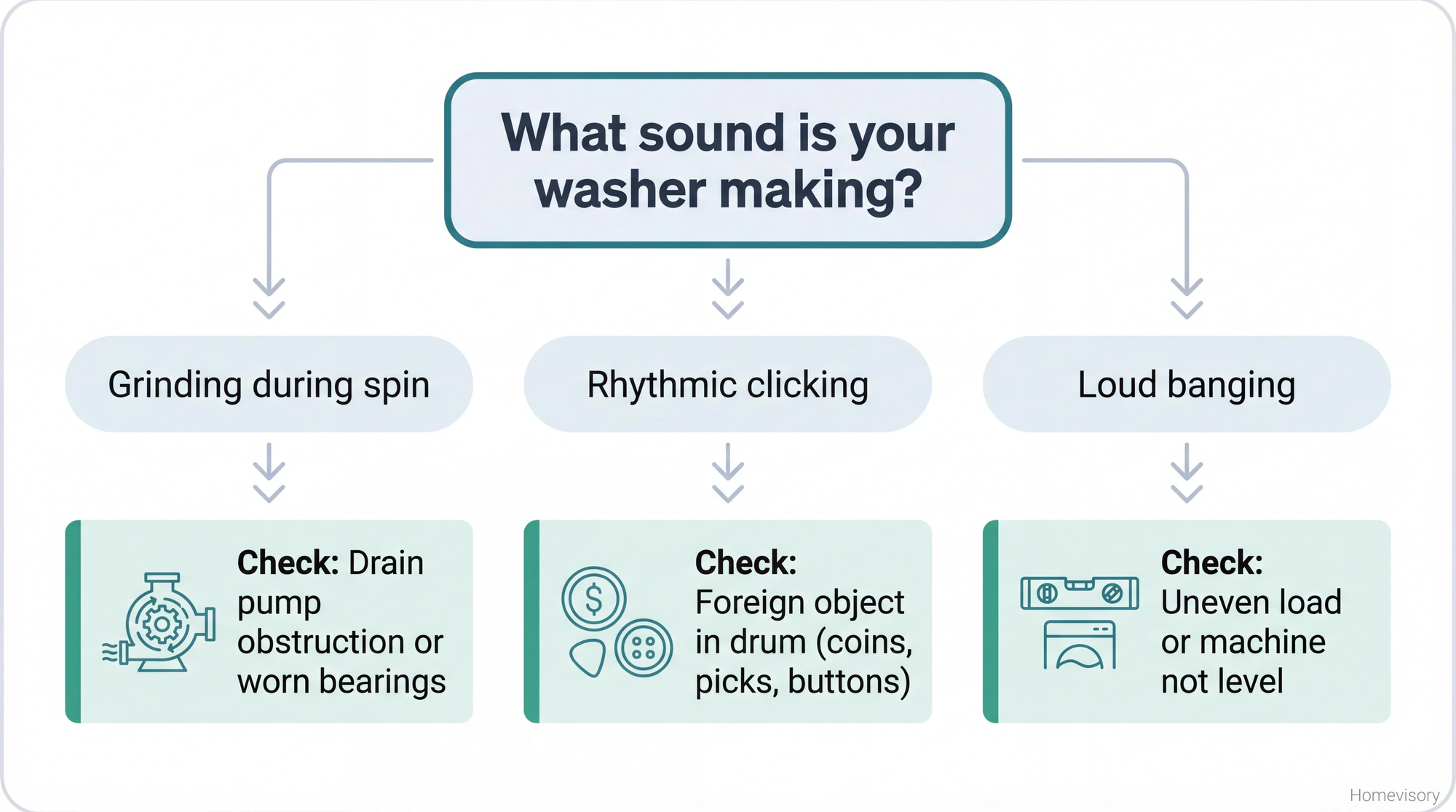
A grinding sound during the spin cycle usually means something is caught in the drain pump or the bearings are going. Two very different problems. Very different fixes.
A clicking sound, rhythmic clicking, often means something small and hard is bouncing around in the drum. Check pockets. Richard used to leave guitar picks in his jeans and I cannot tell you how many times I pulled those things out of the drain filter. Coins too. One time a whole handful of change. I dont know how he walked around like that.
A loud banging during spin is usually a balance issue. Either the load is uneven or your machine isnt level. Thats not really a repair, thats just adjusting the feet. Takes two minutes.
The Drain Pump Problem
This is where I spend most of my time and honestly this is the section Im going to over-explain because Ive seen this issue so many times. If your machine wont drain, or drains slowly, or makes a humming sound when it should be draining, its almost always the drain pump or something blocking it.
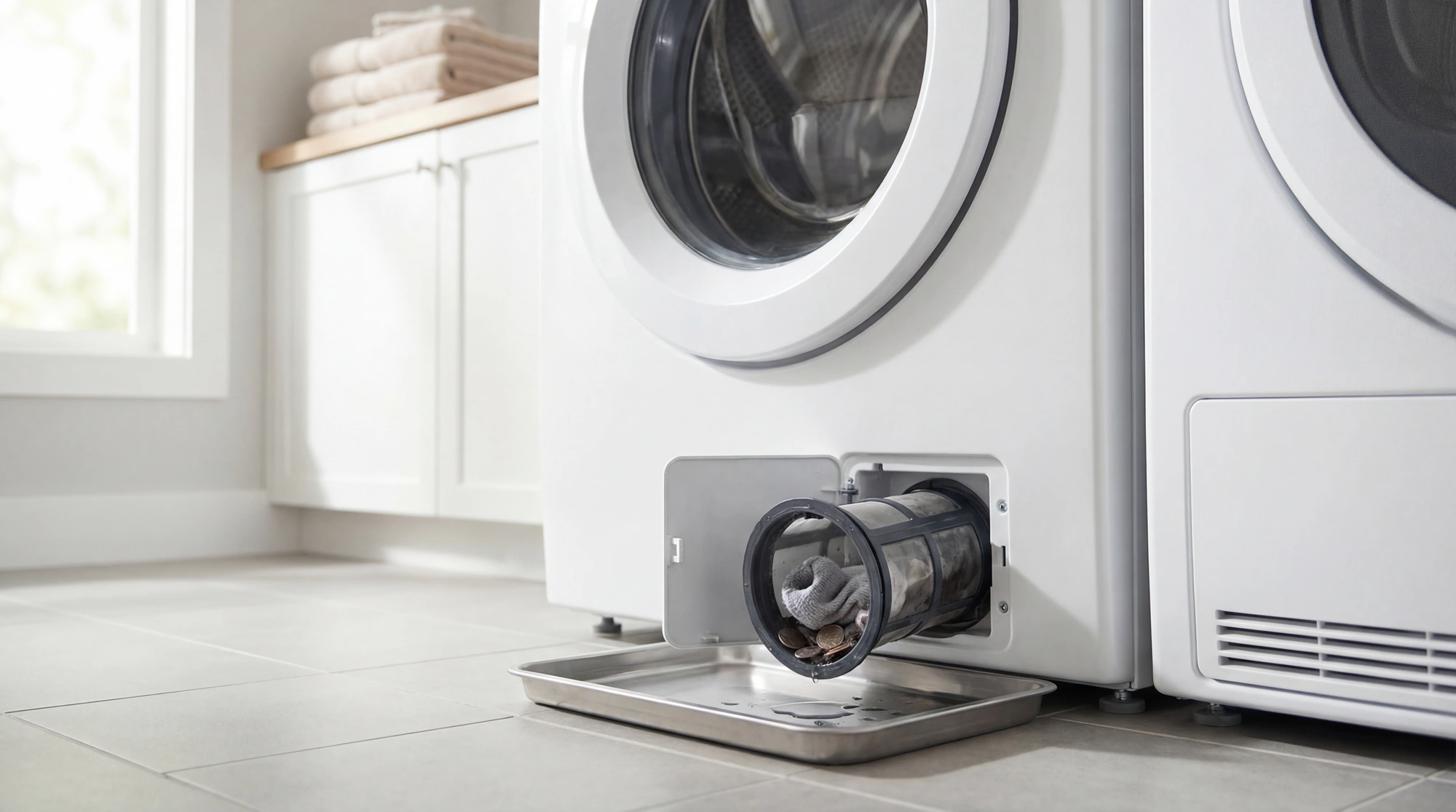
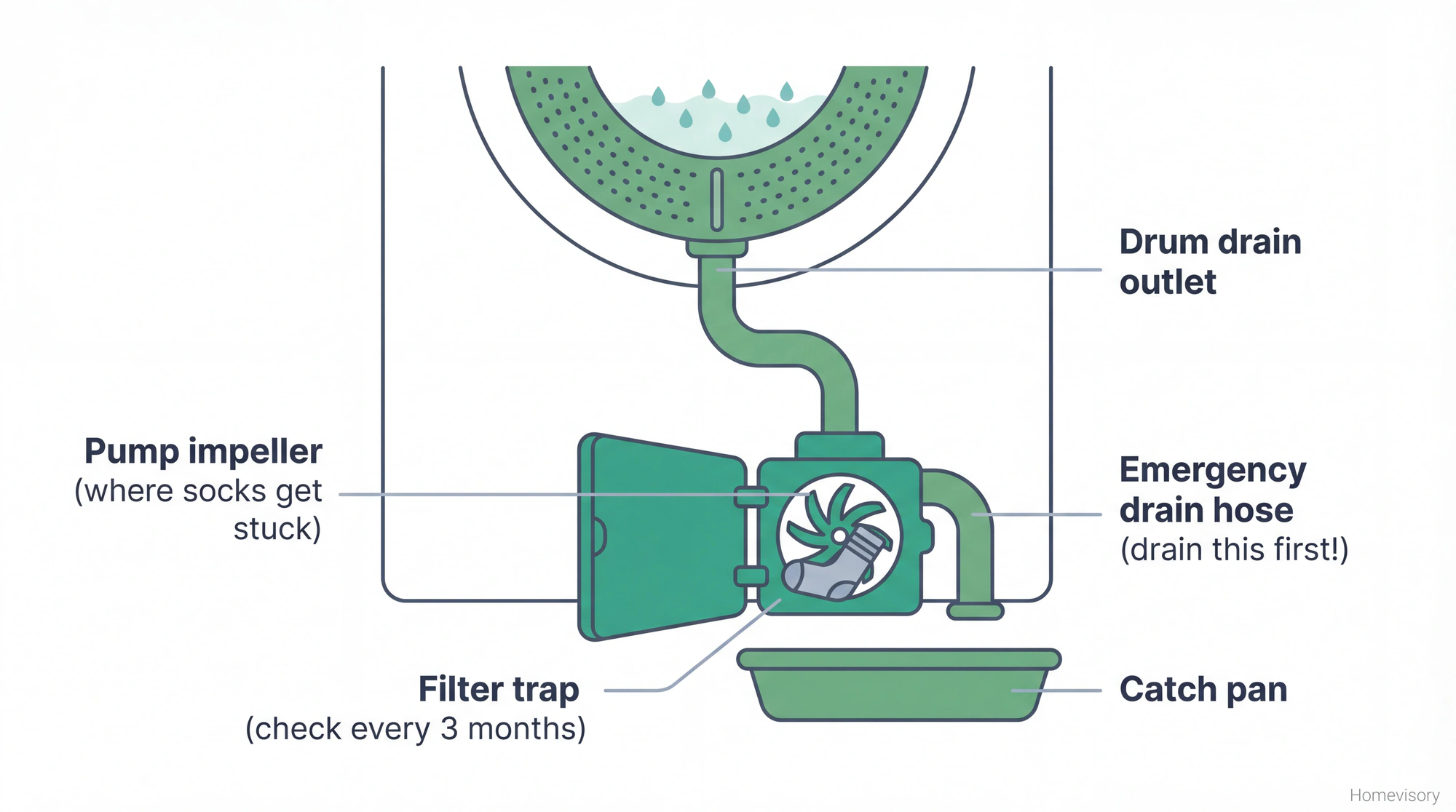
Heres the thing about drain pumps. They have a little filter or trap, depending on your model, and that trap catches everything that shouldnt have made it past the drum. Coins, bobby pins, those little plastic tips from hoodie strings, hair ties, and the big one, socks. Baby socks are the worst. Theyre small enough to get sucked out of the drum during the drain cycle and they get wedged in the pump impeller and suddenly your machine sounds like its dying.
I flooded my laundry room in our place in Texas trying to fix a drain pump the first time. This was probably 2005, maybe 2006. I didnt realize how much water sits in those machines even when they look empty. I pulled the pump housing off and just water everywhere. Raquel walked in and looked at me standing in a puddle holding a soggy sock and she just turned around and left. Didnt say anything. Didnt have to.
What I learned from that is you need to drain the residual water first. Theres usually a small drain hose near the filter access panel on front-loaders. Put a shallow pan under it, pull the plug, let it drain. Takes five minutes and saves you a mess. On top-loaders you might need to tip the machine back, which is a two-person job, or bail out the drum with a cup first.
The actual pump replacement isnt hard if the pump is what died. Youre looking at maybe $50-100 for the part depending on your brand, and its usually held in with two or three screws and some hose clamps. The impeller can get jammed by debris even if the pump motor is fine. Ive pulled out things that made me question what goes on in peoples pockets. A AA battery once. A full chapstick, still capped. A key to what I assume was a padlock but who knows because the homeowner had no idea where it came from. I mean I dont know. People just dump their clothes in without checking and then wonder why the machine stops working.
If youre going to own a washing machine, check pockets. Make your kids check pockets. Make it a rule. Five seconds of checking saves you an hour of washer machine repair later.
Water Not Filling or Filling Slowly
This ones usually simpler. Three things to check.
First, the supply hoses. Are the valves turned on all the way? Sounds stupid but Ive been called to look at machines where someone bumped the valve and partially closed it. Turn both hot and cold all the way open.
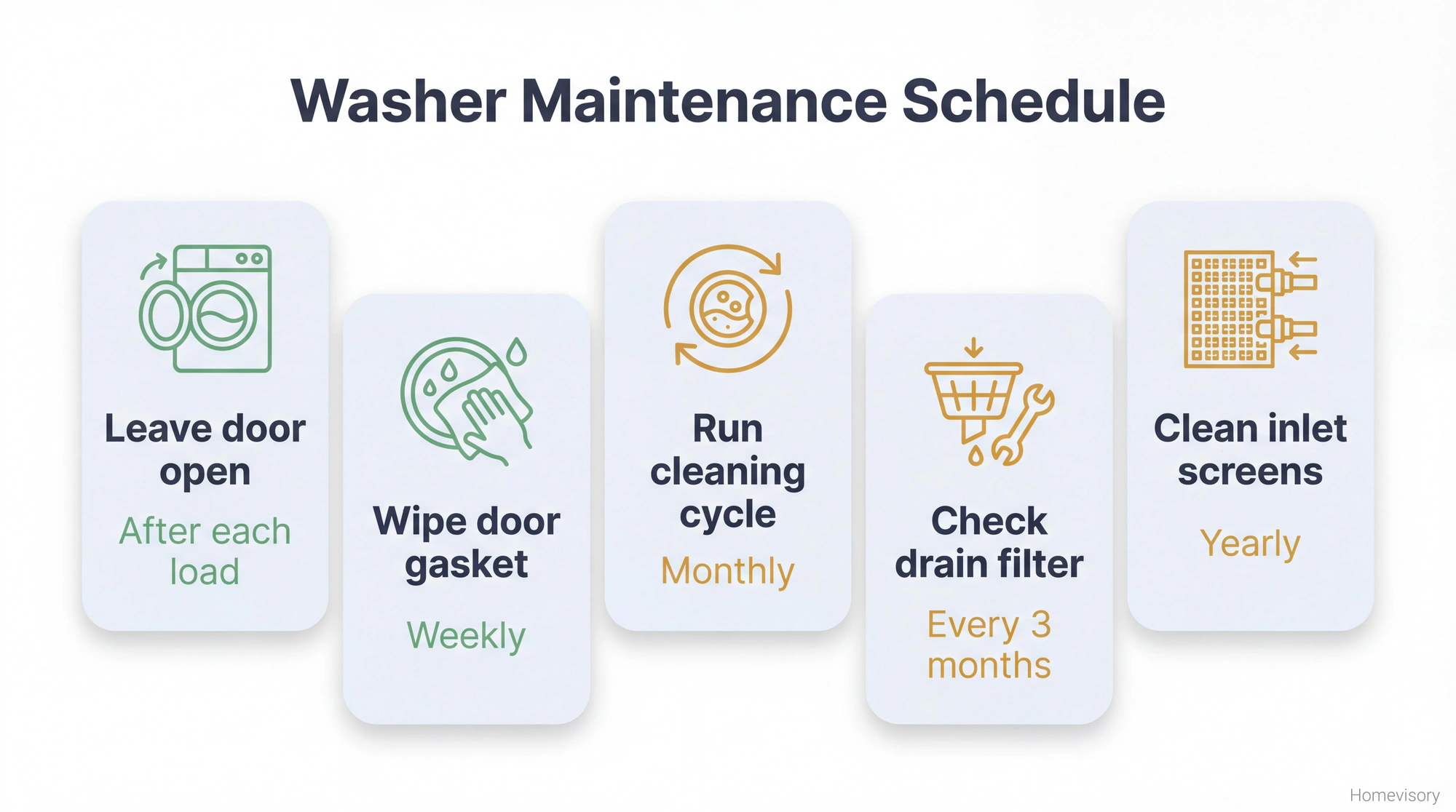
Second, the inlet screens. Theres a little mesh screen where the hoses connect to the back of the machine. These get clogged with sediment, especially if you have hard water. Turn off the water, disconnect the hoses, pull the screens out with needle-nose pliers, clean them or replace them. Theyre like two dollars.
Third, the water inlet valve itself. If youre getting power to the machine and the screens are clear but water still wont come in, the valve might be dead. Youll need a multimeter to test it. If youre not comfortable with that, this is where you might call someone. But the valve itself is usually a $30-40 part and not hard to swap if you know its bad.
Spin Cycle Issues
The machine fills, it washes, but it wont spin. Or it tries to spin and gives up.
On top-loaders with an agitator, check the lid switch. These machines have a safety switch that prevents spinning when the lid is open. If that switch fails, the machine thinks the lid is always open. You can test this by pressing the switch manually with a pen while the lid is up. If the machine starts spinning, you found your problem. Lid switch. Twenty bucks. Easy swap.
On front-loaders, check the door latch. Same concept. Machine wont spin if it thinks the door is open.
If the switch and latch are fine, you might have a belt issue on older machines or a motor coupling problem. The motor coupling is a plastic piece that connects the motor to the transmission. It wears out over time, especially if you overload the machine. Which everyone does.
Agitator Not Moving on Top-Loaders
The agitator is that thing in the middle that moves your clothes around. If it stops moving or only moves in one direction, the problem is almost always the agitator dogs. These are little plastic pieces inside the agitator that grip in one direction and slip in the other. They wear out.
Replace the dogs. Thats it. Moving on.
You pull the agitator out, theres usually a cap on top and a bolt underneath, take it apart, swap the dogs, put it back together. Takes maybe twenty minutes and the parts are under ten dollars.
When to Call Someone
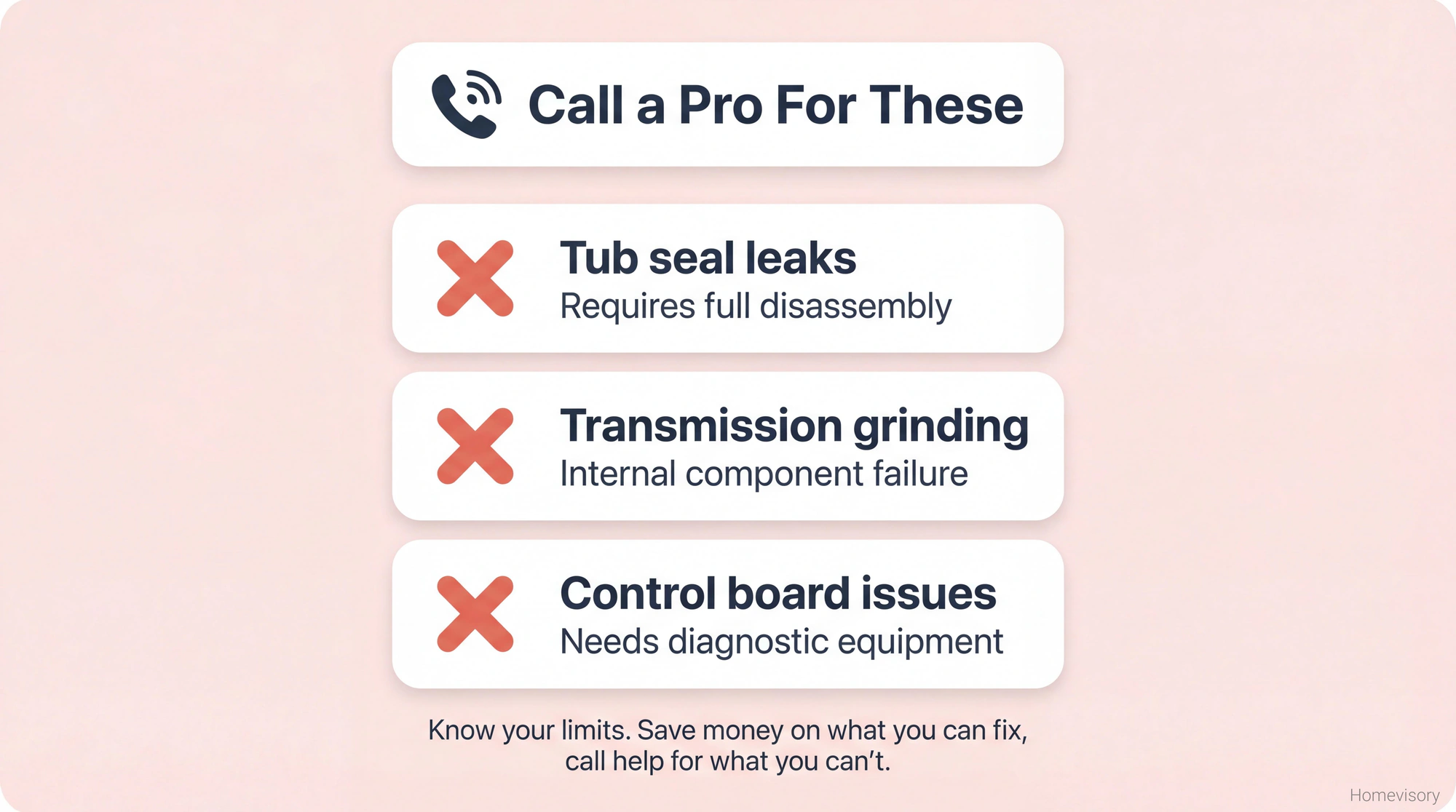
Not everything is a DIY fix. If your machine is leaking from the tub seal, thats a big job. You basically have to disassemble the whole machine to get to it. If your transmission is grinding, same thing. If your control board is fried and the machine wont respond to any inputs, call someone. Im not getting into control board diagnostics here because by the time youre troubleshooting circuit boards youre either an appliance tech or youre in over your head.
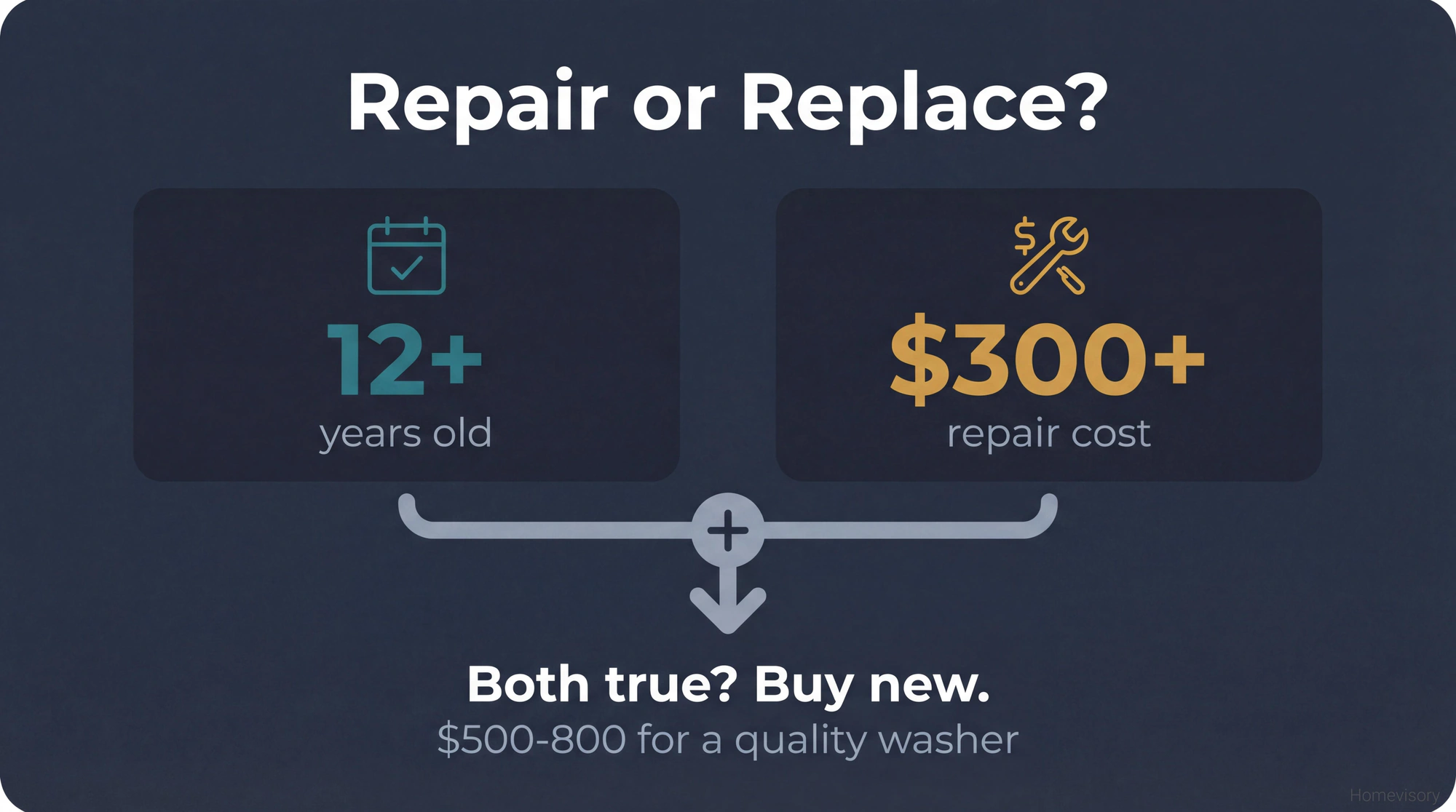
Also if your machine is more than twelve years old and needs a major repair, do the math. A new washer is $500-800 for a decent one. If youre looking at a $300 repair on a fourteen year old machine, probably just buy new. Our guide to appliance lifespans covers when to repair versus replace for every major appliance.
Maintenance That Prevents Most Problems
My mom Shirley had a whole system for laundry day back in Atlanta. Saturdays. She would sort everything the night before, and the machine ran all morning, and she cleaned the lint and wiped down the rubber gasket on the dryer after every load. I dont remember her ever having a laundry appliance break down. She worked at Sears for years and I think she took the appliance care stuff seriously because of that, or maybe she was just that way about everything. Anyway.
Raquel has her own system now and I dont question it. What I do handle is the maintenance side.
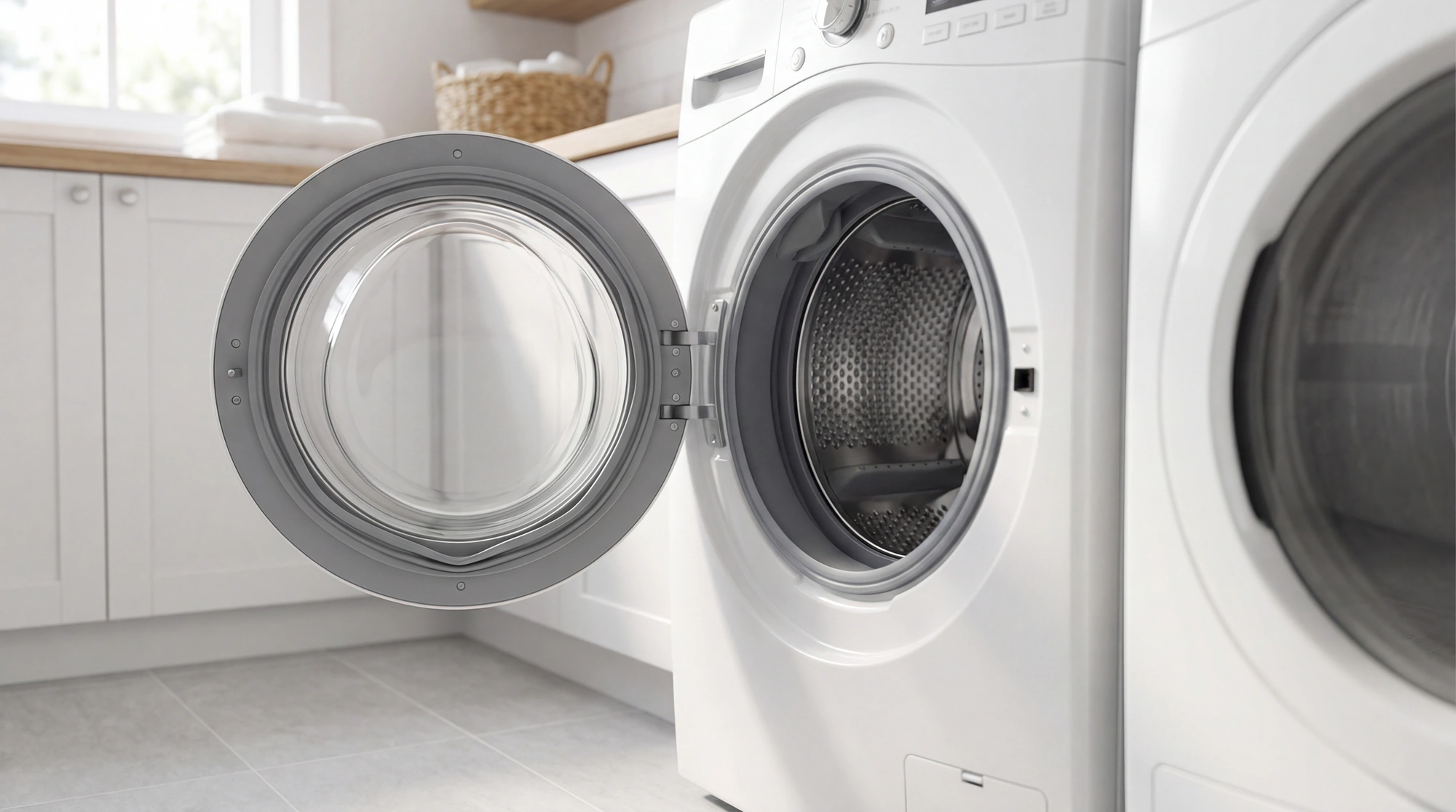
Clean the gasket on front-loaders. That rubber seal around the door traps moisture and gets moldy. Wipe it down weekly. This is basic stuff but people ignore it and then complain about their clothes smelling musty.
Run a cleaning cycle monthly. Most newer machines have one. If yours doesnt, run an empty hot cycle with two cups of white vinegar. Gets rid of detergent buildup and any funk thats developing.
Dont use too much detergent. More soap doesnt mean cleaner clothes. It means soap residue building up inside your machine. With HE machines especially, youre supposed to use way less than you think. Read the cap measurements.
Leave the door open between loads. Lets it dry out. Prevents mold.
Check the drain pump filter every few months even if nothings wrong. Catch the coins and bobby pins before they jam the impeller.
What Homevisory Does For This
This is the kind of thing we built Homevisory for. Nobody remembers to check their drain pump filter until theres a problem. Nobody remembers that the supply hose screens should be cleaned once a year. You just dont think about it until something breaks.
Homevisory home task manager sends you reminders. Tells you when to clean the gasket, when to run a cleaning cycle, when to check the filter. You put in what appliances you have and it builds a schedule. Then it just pings you when somethings due.
Its free to sign up and use. We make money other ways, not by charging you for reminders. So you get a maintenance schedule for your whole house, washer included, without paying anything.
Look, washer machine repair isnt hard most of the time. But its even easier when you dont have to do it because you actually maintained the thing. Thats what we do here at Homevisory. We help you stay ahead of the problems instead of reacting to them.
Go check your drain pump filter. I bet theres a sock in there.